There is something incredibly comforting about the aroma of freshly baked banana bread wafting through the house. It is a scent that evokes warm memories of lazy Sunday mornings, family gatherings, and cozy afternoons spent with a hot cup of tea. For those who follow a gluten-free lifestyle, finding a baked good that replicates this comforting experience without sacrificing texture can sometimes feel like a daunting challenge.
Many gluten-free baked goods suffer from being overly dry, crumbly, or dense. However, baking without gluten does not mean you have to settle for subpar textures or bland flavors. With the right combination of ingredients, you can create a loaf that is just as tender, moist, and flavorful as any traditional version.
This comprehensive guide will walk you through the ultimate recipe for gluten-free banana bread. Whether you are living with celiac disease, managing a gluten sensitivity, or simply baking for a friend, this recipe is designed to deliver a perfect golden-brown loaf every single time.
Why You Will Love This Recipe for Gluten-Free Banana Bread
First and foremost, this recipe for gluten-free banana bread is incredibly forgiving and easy to customize. You do not need to be an experienced baker or have a kitchen filled with complex gadgets to achieve bakery-quality results. The batter comes together in just a few minutes using simple bowls and a sturdy spatula.
Another reason you will fall in love with this loaf is its outstanding moisture level. By utilizing ripe bananas, brown sugar, and a touch of sour cream or Greek yogurt, we ensure that the crumb remains soft and tender for days. You will never have to worry about this bread turning into a dry, crumbly mess after it cools down.
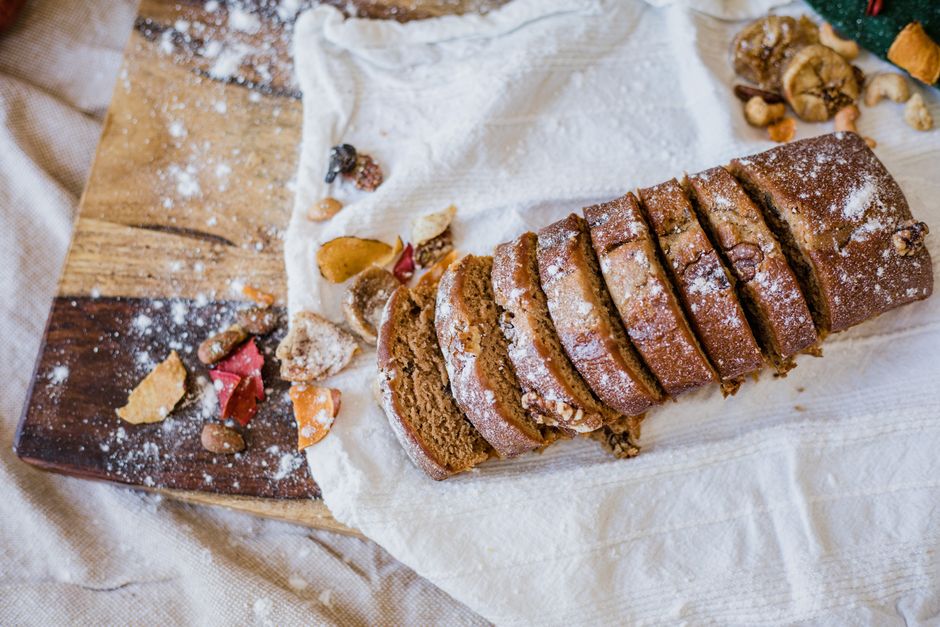
Finally, this recipe is a crowd-pleaser that appeals to everyone, regardless of their dietary restrictions. Your friends and family members who eat gluten will not even be able to tell the difference. It is the perfect addition to brunch menus, holiday tables, or weekly meal-prep routines.
The Science of Gluten-Free Baking
To understand why this recipe works so well, it helps to understand a little bit of the science behind gluten-free baking. Gluten is a protein found in wheat, barley, and rye that provides structure, elasticity, and chewiness to baked goods. When you remove gluten, you lose the natural binding agent that holds the bread together.
To compensate for this lack of structure, we rely on high-quality gluten-free flour blends that contain starches like tapioca starch or potato starch. These starches help mimic the elasticity of gluten, allowing the bread to rise and hold its shape. Additionally, many blends include xanthan gum, a binder that acts as a gluten substitute by trapping moisture and air bubbles.
While some bakers prefer quick shortcuts like a banana bread recipe bisquick style mix, making your own blend from scratch or using a high-quality 1-to-1 baking flour gives you much more control over the final texture. By understanding how these ingredients interact, you can consistently bake a loaf that rises beautifully and cuts into clean, perfect slices.
Key Ingredients for the Ultimate Loaf
Every ingredient in this recipe plays a vital role in creating the perfect balance of flavor and structure. Selecting the right components will elevate your baking from ordinary to extraordinary.
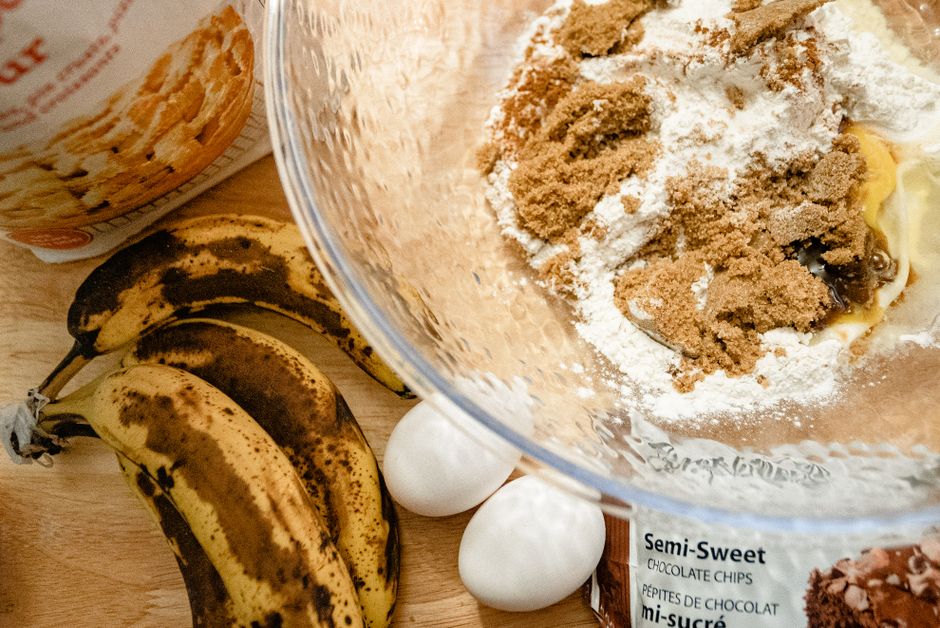
- Super Ripe Bananas: The star of the show. You want bananas that are heavily speckled with black spots, or even completely black, as they are sweeter and easier to mash.
- Gluten-Free Flour Blend: Choose a high-quality 1-to-1 baking flour that contains xanthan gum. This ensures you do not have to buy separate binding agents.
- Brown Sugar: While white sugar adds sweetness, using a banana bread recipe brown sugar base introduces molasses, which adds moisture and a deep caramel undertone.
- Fat (Butter or Oil): Melted butter provides a rich, classic flavor, while coconut oil or vegetable oil keeps the bread incredibly moist for a longer period.
- Greek Yogurt or Sour Cream: This is the secret weapon. Similar to a classic banana bread recipe greek yogurt variation, the acidity helps activate the baking soda while adding rich moisture without thinning the batter.
- Eggs: Eggs provide the necessary structure, lift, and richness that gluten-free flours lack.
Choosing fresh, high-quality ingredients will ensure your final loaf has the perfect balance of sweet banana flavor and a delicate, pillowy texture. Let us take a closer look at the step-by-step process of putting these ingredients together.
Step-by-Step Guide to Baking Gluten-Free Banana Bread
Before you begin mixing your ingredients, it is important to prep your workspace. Preheat your oven to 350°F (175°C) and grease a standard 9×5-inch loaf pan, or line it with parchment paper for easy removal. Preheating ensures that the oven is at the correct temperature the moment your batter is ready, which is crucial for a proper rise.
The method for this recipe for gluten-free banana bread is simple and does not require an electric mixer. You will start by mashing your bananas in a large bowl until they are relatively smooth with only a few small chunks left. Then, whisk in your wet ingredients, followed by folding in your dry ingredients until just combined.
Once your batter is smooth, pour it into your prepared loaf pan and smooth the top with a spatula. Bake the loaf for approximately 50 to 60 minutes, or until a toothpick inserted into the center comes out clean. Let the bread cool in the pan for 10 minutes before transferring it to a wire rack to cool completely.
Gluten-Free Banana Bread
Ingredients
- 3 medium extra-ripe bananas, thoroughly mashed (about 1 & 1/2 cups)
- 2 cups high-quality 1-to-1 gluten-free baking flour (containing xanthan gum)
- 1 teaspoon baking soda
- 1/2 teaspoon fine sea salt
- 1 teaspoon ground cinnamon
- 1/2 cup unsalted butter, melted and cooled (or coconut oil)
- 3/4 cup packed light brown sugar
- 2 large eggs, room temperature
- 1/4 cup plain Greek yogurt or sour cream
- 1 teaspoon pure vanilla extract
- Optional: 1/2 cup chopped walnuts, pecans, or semi-sweet chocolate chips
Instructions
- Preheat your oven to 350°F (175°C). Grease a 9×5-inch loaf pan and line the bottom and sides with parchment paper, leaving an overhang for easy removal.
- In a medium bowl, whisk together the gluten-free flour, baking soda, sea salt, and ground cinnamon. Set aside.
- In a large bowl, mash the bananas using a fork or potato masher until smooth.
- Add the melted butter, brown sugar, eggs, Greek yogurt, and vanilla extract to the mashed bananas. Whisk vigorously until the mixture is completely smooth and combined.
- Gently fold the dry ingredients into the wet ingredients using a rubber spatula. Mix just until no flour pockets remain. Do not overmix. If using nuts or chocolate chips, fold them in now.
- Pour the batter into the prepared loaf pan and smooth the top.
- Bake for 50 to 60 minutes. A toothpick inserted into the center of the loaf should come out clean or with a few moist crumbs, but no wet batter.
- Remove the pan from the oven and place it on a wire rack. Let the bread cool in the pan for 10 minutes, then use the parchment paper overhang to lift the loaf out of the pan. Place it directly on the wire rack to cool completely before slicing.
Tips & Variations
For a warm, spiced crunch, try adding chopped pecans to create a version similar to a banana nut bread recipe with cinnamon. If you are looking for a dairy-free option, substitute the butter with coconut oil and use a dairy-free coconut milk yogurt. To achieve ultimate moisture, some bakers even experiment with fats, similar to a banana bread with mayonnaise recipe, which works surprisingly well to keep the crumb tender.
Storage
Store leftover banana bread in an airtight container at room temperature for up to 3 days. For longer storage, wrap individual slices in plastic wrap, place them in a freezer-safe bag, and freeze for up to 3 months. Thaw at room temperature or toast gently before serving.
Nutrition (per serving)
Calories: 230 | Total Fat: 10g | Saturated Fat: 6g | Cholesterol: 60mg | Sodium: 210mg | Total Carbohydrates: 34g | Dietary Fiber: 2g | Sugars: 18g | Protein: 4g
How to Ensure Your Gluten-Free Bread Stays Moist
One of the most common complaints about gluten-free baking is that the final product can dry out quickly. Gluten-free flours tend to absorb more liquid than traditional wheat flours, which means they can pull moisture out of the batter during the baking process. To combat this, you must ensure your wet-to-dry ingredient ratio is perfectly balanced.
Adding ingredients like Greek yogurt, sour cream, or applesauce helps retain moisture within the crumb structure. Additionally, wrapping your cooled loaf tightly in plastic wrap will trap the natural moisture inside, preventing it from evaporating into the air. Never store your banana bread uncovered on the counter, as this will dry it out within hours.
Another tip is to avoid slicing the bread while it is still hot. As tempting as it is to eat a warm slice straight from the oven, slicing it too early allows steam to escape. This steam is essential for keeping the interior of the loaf soft and moist as it finishes setting on the cooling rack.
Variations and Customizations
This recipe for gluten-free banana bread serves as a fantastic canvas for your favorite mix-ins. If you are a chocolate lover, folding in a half cup of dark or semi-sweet chocolate chips will turn this breakfast treat into a decadent dessert. The pockets of melted chocolate complement the sweet banana flavor beautifully.
For those who enjoy a bit of texture, adding toasted nuts like walnuts, pecans, or almonds provides a satisfying crunch. You can also sprinkle a handful of oats or raw sugar on top of the batter before baking to create a rustic, crunchy crust. If you prefer a fruitier flavor profile, try folding in fresh blueberries or dried cranberries.
If you need to make this recipe vegan, you can easily swap the eggs for flax eggs (mix one tablespoon of ground flaxseed with three tablespoons of water for each egg and let it sit for five minutes). Substitute the butter with vegan butter or coconut oil, and use a dairy-free yogurt. The loaf may be slightly denser, but it will still be incredibly delicious.
Frequently Asked Questions (FAQs)
Can I use almond flour instead of a 1-to-1 gluten-free flour blend?
Almond flour behaves very differently than a starch-based gluten-free flour blend because it lacks the binding properties and absorbs liquids differently. If you wish to use almond flour, you will need a recipe specifically formulated for it, as swapping it 1:1 in this recipe will result in a wet, heavy loaf that does not rise.
Why did my gluten-free banana bread sink in the middle?
A loaf that sinks in the middle is usually the result of too much moisture, underbaking, or expired leavening agents. Make sure you measure your bananas accurately, as using too many can add too much weight. Additionally, ensure your baking soda is fresh and that you bake the loaf until a toothpick inserted in the center comes out completely clean.
Do I need to add xanthan gum to this recipe?
If your 1-to-1 gluten-free flour blend already contains xanthan gum, you do not need to add any extra. However, if your blend does not contain it, you will need to add 1/2 teaspoon of xanthan gum to the dry ingredients to prevent the bread from crumbling.
How do I quickly ripen bananas for banana bread?
If your bananas are not ripe enough, you can place them on a baking sheet and bake them in the oven at 300°F (150°C) for 15 to 20 minutes until the skins turn completely black. Let them cool before peeling and mashing. Alternatively, place them in a brown paper bag with an apple for 24 hours to speed up the natural ripening process.
Can I make muffins using this recipe?
Yes, this batter makes excellent muffins. Line a standard muffin tin with paper liners and fill each cup about three-quarters full. Bake at 350°F (175°C) for 18 to 22 minutes, or until a toothpick inserted in the center of a muffin comes out clean.
Conclusion
Baking a delicious, moist, and flavorful loaf of banana bread does not require wheat flour. By choosing the right ingredients and understanding how they work together, you can easily master this recipe for gluten-free banana bread. It is a comforting treat that will satisfy everyone in your household, regardless of their dietary needs.
Remember to let the loaf cool completely before slicing to ensure the perfect texture. Feel free to experiment with different mix-ins like chocolate chips, spices, or nuts to make this recipe your own. Happy baking, and enjoy every single warm, sweet slice of your homemade creation!
