There is nothing quite like the warm, comforting aroma of freshly baked banana bread wafting through the kitchen. It is a timeless classic that brings back fond childhood memories of rainy afternoons and cozy family gatherings. However, we have all experienced the disappointment of slicing into a loaf only to find it dry, crumbly, and lacking that signature velvety texture.
For years, home bakers have searched for the ultimate secret ingredient to guarantee a perfectly tender crumb every single time. Some swear by sour cream, while others prefer melted butter or vegetable oil. But today, we are going to explore a secret ingredient that might sound unusual at first, but yields absolutely spectacular results: mayonnaise.
If you are skeptical about using mayonnaise in your baking, you are not alone. Many people associate this condiment strictly with savory sandwiches and potato salads. However, once you understand the science of baking, you will see why this unique addition makes this banana bread with mayonnaise recipe a game-changer for your recipe box.
Why Mayonnaise in Banana Bread?
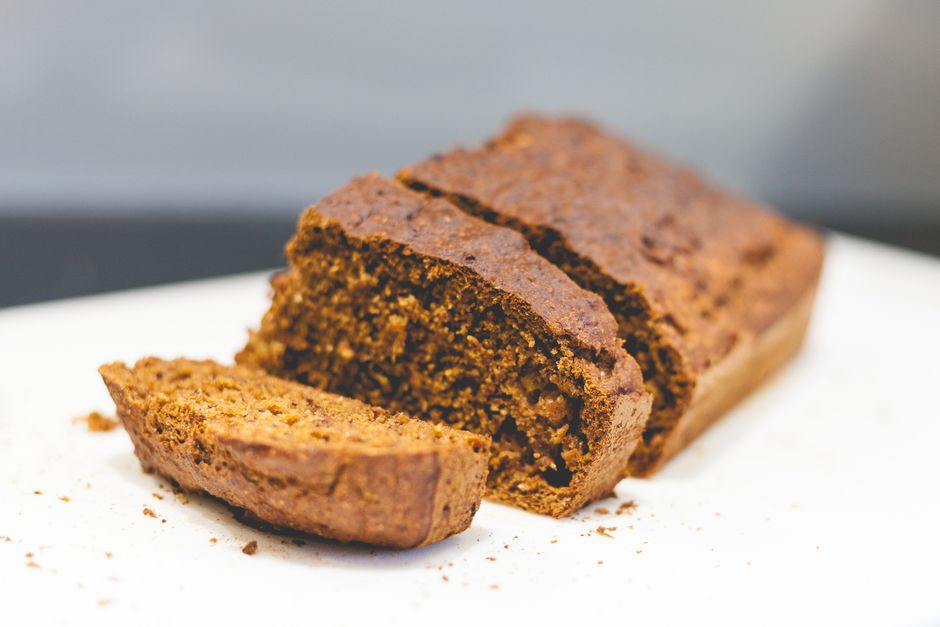
To understand why this ingredient works so beautifully, we have to look at what mayonnaise actually is. At its core, mayonnaise is simply an emulsion of oil, egg yolks, and a splash of acid, usually vinegar or lemon juice. These are the exact same ingredients that you would typically add to a standard cake or quick bread batter.
Because the oil and eggs are already emulsified, they distribute much more evenly throughout the flour mixture than they would if added separately. This emulsification coats the flour molecules, preventing excessive gluten formation during the mixing process. The result is a crumb that is incredibly soft, tender, and consistently moist without feeling greasy.
Furthermore, the subtle acidity in the mayonnaise helps to activate the baking soda. This chemical reaction creates tiny air bubbles that lift the batter as it bakes, resulting in a beautifully risen, fluffy loaf. Do not worry about the flavor; the distinct taste of mayonnaise completely disappears during the baking process, leaving behind only rich sweetness and banana flavor.
The Chemistry of Mayo in Baking
Baking is a science, and every ingredient plays a specific role in the structure and texture of the final product. In a traditional quick bread, fat is used to shorten the gluten strands, which makes the bread tender rather than chewy like a baguette. Mayonnaise performs this role exceptionally well because the fat is suspended in tiny droplets.
The egg yolks in the mayonnaise also act as natural emulsifiers and add a rich depth of flavor. They contain lecithin, which helps bond water-based and fat-based ingredients together seamlessly. This means your batter stays cohesive, holds onto its moisture during the baking process, and does not dry out even after a few days on the counter.
Finally, the touch of vinegar or lemon juice in the condiment lowers the pH of the batter. This slight acidity tenderizes the gluten proteins in the flour, ensuring that every bite melts in your mouth. It is a simple chemical trick that professional bakers have used for decades to achieve the perfect cake texture.
Comparing Mayo to Other Fat Sources
When deciding which fat to use in your baking, it helps to compare the options available. While some bakers swear by a banana bread recipe greek yogurt variant for tanginess, mayonnaise offers a unique richness that yogurt simply cannot replicate due to its lower fat content. Yogurt adds moisture, but mayonnaise adds both moisture and a velvety fat structure.
Butter is another popular choice, valued primarily for its rich, dairy flavor. However, butter contains water, which evaporates during baking and can sometimes leave the bread slightly drier than oil-based cakes. Because mayonnaise is made with pure oil, it keeps the bread softer for a longer period of time.
To enhance the caramel-like depth of flavor, marrying this technique with a classic banana bread recipe brown sugar style is highly recommended. The molasses in the brown sugar works in tandem with the mayonnaise to create a deep, caramelized crust and a moist, dark interior. It truly is the best of both worlds.
How to Choose the Best Bananas for Baking
The success of any banana bread relies heavily on the quality and ripeness of the bananas you use. Underripe or even perfectly yellow bananas will not deliver the sweet, intense flavor or the moisture needed for a great loaf. You want bananas that look like they have seen better days.
As bananas ripen, their starches convert into simple sugars, making them incredibly sweet and easy to mash. They also develop a stronger aroma that penetrates the entire loaf during the baking process. If your bananas are not ripe enough, your bread may turn out bland, dense, and lacking in natural sweetness.
Ideally, you should look for bananas that are heavily speckled with brown or black spots, or even completely black. The skins should feel soft, and the fruit inside should be fragrant and easy to mash with a fork. Do not throw away bananas that look too ripe to eat fresh; they are absolute gold for baking.
The Ripeness Scale
When selecting bananas, aim for level five or six on the ripeness scale. A level five banana is yellow with numerous brown spots, while a level six is mostly brown or black and very soft to the touch. These stages indicate that the sugar content is at its peak and the fruit is ready to release its natural moisture.
If you only have yellow bananas on hand, you can still make this recipe, but you may need to add a tablespoon or two of extra sugar to compensate. The texture might also be slightly firmer because green or yellow bananas contain more starch and less liquid. Whenever possible, plan ahead and let your bananas ripen naturally on the counter.
If you frequently find yourself with overripe bananas but do not have time to bake, simply peel them and store them in a zip-top bag in the freezer. When you are ready to bake, thaw them at room temperature for about an hour. They will look watery and unappealing, but that liquid is packed with flavor and should be added right into the batter.
Quick Ways to Ripen Bananas
If you are craving banana bread today but only have firm, yellow bananas, do not despair. There are a few easy kitchen hacks you can use to speed up the ripening process. The fastest method is the oven technique, which caramelizes the sugars in just a few minutes.
To ripen bananas in the oven, preheat your oven to 300°F (150°C) and place the unpeeled bananas on a baking sheet lined with parchment paper. Bake them for 15 to 20 minutes, or until the skins turn completely black and shiny. Let them cool completely before peeling and mashing them for your batter.
Another method is the paper bag trick, which takes about 12 to 24 hours. Place your bananas in a brown paper bag along with an apple or a ripe tomato, and fold the top closed. The other fruit will release ethylene gas, which is a natural ripening agent that speeds up the process overnight.
Banana Bread with Mayonnaise
Ingredients
- 3 medium overripe bananas, mashed (about 1.5 cups)
- 1/2 cup real mayonnaise (do not use low-fat or salad dressing)
- 1 cup granulated sugar
- 1 large egg, room temperature
- 1 teaspoon pure vanilla extract
- 1.5 cups all-purpose flour
- 1 teaspoon baking soda
- 1/2 teaspoon salt
- 1/2 teaspoon ground cinnamon
- 1/2 cup chopped walnuts or pecans (optional)
Instructions
- Preheat your oven to 350°F (175°C) and grease an 8.5 x 4.5-inch loaf pan with cooking spray or butter. Line the bottom with parchment paper for easy removal.
- In a large mixing bowl, mash the bananas thoroughly with a fork or potato masher until smooth with only small chunks remaining.
- Add the mayonnaise, sugar, egg, and vanilla extract to the mashed bananas. Whisk vigorously until the mixture is completely smooth and well combined.
- In a separate medium bowl, whisk together the all-purpose flour, baking soda, salt, and ground cinnamon.
- Gently fold the dry ingredients into the wet banana mixture using a rubber spatula. Mix just until the flour disappears; do not overmix. If using nuts, fold them in gently at the very end.
- Pour the batter into the prepared loaf pan and smooth the top with your spatula.
- Bake for 55 to 65 minutes, or until a toothpick inserted into the center of the loaf comes out clean or with just a few moist crumbs attached.
- Remove the pan from the oven and let it cool on a wire rack for 10 minutes. Run a butter knife around the edges, carefully turn the loaf out of the pan, and let it cool completely on the rack before slicing.
Tips & Variations
For the best results, use full-fat mayonnaise rather than light or olive-oil-based varieties, as the fat content is crucial for the texture. If you prefer a richer flavor, swap half of the white sugar for dark brown sugar. You can also add 1/2 cup of semi-sweet chocolate chips for a sweet twist.
Storage
Wrap the completely cooled loaf tightly in plastic wrap or aluminum foil. Store at room temperature for up to 4 days, or in the refrigerator for up to a week. To freeze, wrap slices individually and store in a freezer-safe bag for up to 3 months.
Nutrition (per serving)
Calories: 320 kcal | Carbohydrates: 48g | Protein: 4g | Fat: 13g | Saturated Fat: 2g | Sodium: 280mg | Fiber: 2g | Sugar: 26g
Step-by-Step Guide: Making the Perfect Loaf
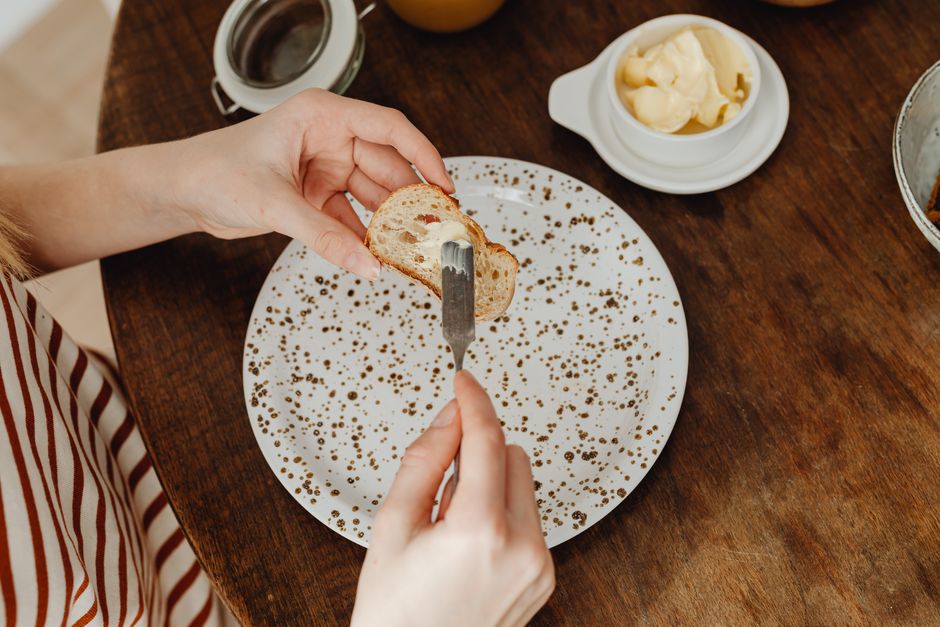
Now that you have the recipe, let us walk through the process step-by-step to ensure your baking experience is a complete success. While quick breads are generally forgiving, paying attention to a few key details can elevate your loaf from good to bakery-quality. The process begins with proper preparation of your ingredients and tools.
Always start by preheating your oven and preparing your loaf pan before mixing your ingredients. If your batter sits on the counter waiting for the oven to heat up, the baking soda will begin to react too early, and your bread will not rise as high. Preparing your pan with parchment paper also ensures that you can lift the loaf out easily without tearing the delicate crust.
When mashing your bananas, decide what kind of texture you prefer in your finished bread. If you like small pockets of fruit throughout the loaf, leave a few small chunks in the mash. If you prefer a completely uniform, cake-like crumb, mash the bananas until they are completely liquid and smooth.
Mixing Wet and Dry Ingredients
One of the most important rules of baking quick breads is to mix your wet and dry ingredients separately before combining them. This ensures that the leavening agents, like baking soda and salt, are evenly distributed throughout the flour. If you skip this step, you might end up with large pockets of baking soda, which taste bitter and metallic.
When whisking the wet ingredients, make sure the egg is at room temperature. Cold eggs can cause the fat in the mayonnaise to seize up slightly, making it harder to get a smooth, emulsified batter. Whisk the sugar, egg, mayonnaise, and mashed bananas until the mixture looks pale and slightly aerated.
If you are looking for a shortcut on busy mornings, you might try a banana bread recipe bisquick version, but nothing beats the scratch-made texture of the mayo loaf. Taking the extra five minutes to measure out your flour and baking soda pays off tremendously in the final texture and rise of the bread.
The Importance of Not Overmixing
Once you combine the wet and dry ingredients, put away your whisk or electric mixer and switch to a rubber spatula or wooden spoon. Gently fold the ingredients together by scraping the bottom of the bowl and folding the batter over itself. Stop mixing the very second you no longer see streaks of dry flour.
Overmixing stimulates gluten development in the flour, which is great for chewy yeast bread but disastrous for tender quick breads. If you overmix, your banana bread will turn out dense, rubbery, and may develop large holes or “tunnels” inside. A few small lumps in the batter are perfectly fine and will disappear during baking.
If you plan to add mix-ins like chocolate chips or chopped nuts, toss them with a teaspoon of flour before folding them in. This prevents them from sinking to the bottom of the loaf pan during baking, ensuring every slice has an even distribution of delicious textures.
Baking to Golden Brown Perfection
Baking time can vary significantly depending on your oven, the material of your loaf pan, and the moisture level of your bananas. Glass and ceramic pans tend to hold heat longer and can cause the edges to brown quickly, while light-colored metal pans distribute heat more evenly. Keep a close eye on your loaf starting around the 50-minute mark.
If you notice that the top of your banana bread is turning a deep golden brown but the center is still jiggly, do not panic. Simply tent a piece of aluminum foil loosely over the top of the pan to protect the crust from burning while the interior finishes baking. This allows the heat to penetrate deep into the loaf without over-browning the top.
To test for doneness, insert a long wooden skewer or toothpick directly into the thickest part of the center. It should come out clean or with a few dry crumbs attached. If you see wet batter on the toothpick, bake for another 5 minutes and test again. Let the bread cool in the pan for 10 minutes before transferring it to a wire rack to cool completely.
Variations and Substitutions
One of the best things about this banana bread with mayonnaise recipe is how versatile it is. Once you master the base recipe, you can easily customize it to suit your dietary needs or flavor preferences. Whether you want to add a bit of crunch, make it gluten-free, or infuse it with warm spices, the possibilities are endless.
For those who love a bit of crunch and warmth, combining this method with a banana nut bread recipe with cinnamon creates the ultimate cozy treat. The woody flavor of walnuts or pecans pairs beautifully with the sweet banana and the aromatic warmth of ground cinnamon, making it perfect for autumn mornings.
You can also play around with the sweeteners. If you prefer a richer, more caramel-like flavor, substitute the white sugar with coconut sugar or maple sugar. Just keep in mind that altering the type of sugar can slightly affect the moisture content and baking time of the loaf.
Gluten-Free Mayonnaise Banana Bread
Making this recipe gluten-free is incredibly simple and yields fantastic results because the mayonnaise provides so much moisture. Simply replace the all-purpose flour with a high-quality 1-to-1 gluten-free baking flour blend that contains xanthan gum. The xanthan gum is essential because it mimics the structure that gluten normally provides.
Because gluten-free flours tend to absorb more liquid than wheat flour, you may want to let the batter sit in the pan for 10 minutes before placing it in the oven. This allows the flour to fully hydrate, preventing a gritty texture in the finished bread. You might also need to extend the baking time by 5 to 10 minutes.
Keep in mind that gluten-free baked goods do not brown as quickly as traditional ones. Do not rely solely on color to judge doneness; always use the toothpick test to ensure the center is fully baked through. Once cooled, your gluten-free loaf will be just as soft and tender as the original.
Adding Nuts, Chocolate Chips, or Spices
If you want to dress up your loaf, there are countless mix-ins to choose from. For chocolate lovers, adding 1/2 cup of dark chocolate chips or chunks creates a decadent contrast to the sweet banana flavor. You can also swirl a few tablespoons of Nutella or peanut butter directly into the batter before baking for a marble effect.
Spices are another excellent way to add complexity to your bread. In addition to cinnamon, try adding a pinch of ground nutmeg, allspice, or cardamom to the dry ingredients. A teaspoon of freshly grated orange zest added to the wet ingredients also provides a bright, citrusy note that cuts through the richness of the mayonnaise.
If you enjoy dried fruit, consider adding dried cranberries, cherries, or chopped dates. They add chewy textures and tart flavors that balance the sweetness of the bananas. Just be sure not to exceed 1 cup of total mix-ins, or the bread may become too heavy to rise properly.
Vegan and Egg-Free Alternatives
If you follow a vegan diet or have an egg allergy, you can still enjoy this delicious banana bread. Many commercial brands of mayonnaise are naturally vegan, made with plant-based oils and starches instead of egg yolks. Look for egg-free mayonnaise in the condiment aisle of your local grocery store.
To replace the single egg in the recipe, you can use a standard flax egg (1 tablespoon of ground flaxseed mixed with 3 tablespoons of water, left to sit for 5 minutes). Alternatively, you can use 1/4 cup of unsweetened applesauce or additional mashed banana. The mayonnaise will still do the heavy lifting to keep the bread moist.
Ensure that your sugar is certified organic or vegan-friendly, as some white sugars are processed using bone black. With these simple swaps, you can create a plant-based loaf that is just as rich, fluffy, and satisfying as the traditional version.
Frequently Asked Questions (FAQs)
Can you taste the mayonnaise in this banana bread?
No, you cannot taste the mayonnaise at all. During the baking process, the ingredients in the mayonnaise blend seamlessly with the flour, sugar, and bananas. The vinegar evaporates, leaving behind only the moisture and richness of the oil and egg yolks.
Can I use light or fat-free mayonnaise?
It is highly recommended to use real, full-fat mayonnaise for this recipe. Light or fat-free mayonnaise contains fillers, water, and starches that will alter the chemistry of the batter, potentially resulting in a gummy or dense loaf. The fat is necessary to achieve the desired tender texture.
How do I store banana bread so it stays moist?
To keep your banana bread fresh, wrap it tightly in plastic wrap or store it in an airtight container at room temperature for up to 4 days. If you want to keep it longer, slice the loaf, wrap the individual slices in plastic wrap, and freeze them in a zip-top bag for up to 3 months.
Why did my banana bread sink in the middle?
A loaf that sinks in the middle is usually the result of under-baking, opening the oven door too early, or using expired baking soda. Make sure your oven temperature is accurate using an oven thermometer, and always check the center of the loaf with a toothpick before removing it from the oven.
Can I make muffins with this recipe instead?
Yes, this batter makes excellent muffins. Line a standard 12-cup muffin tin with paper liners and fill each cup about three-quarters full. Bake at 350°F (175°C) for 18 to 22 minutes, or until a toothpick inserted into the center of a muffin comes out clean.
Conclusion
Baking the perfect loaf of banana bread does not require professional culinary training or complicated ingredients. Sometimes, all it takes is a little kitchen science and a willingness to try something new. By incorporating mayonnaise into your batter, you guarantee a moist, tender, and flavorful loaf that will stay fresh for days.
This banana bread with mayonnaise recipe is a testament to the magic of baking chemistry. It transforms a simple, everyday condiment into the ultimate secret weapon for creating a bakery-quality treat in your own home. Whether you serve it warm with a smear of salted butter or enjoy a slice cold with your morning coffee, this recipe is sure to become a family favorite.
So, the next time you find a few overripe bananas sitting on your kitchen counter, skip the traditional butter and oil and reach for the mayonnaise instead. You will be amazed at the incredible texture and rich flavor of this simple, classic quick bread. Happy baking!
