There is nothing quite like the comforting aroma of fresh banana bread baking in the oven. It is a scent that fills the entire house with warmth, immediately bringing back fond memories of childhood kitchens and lazy Sunday mornings. For years, my kitchen was a rotating laboratory of sweet treats, but as I started paying closer attention to my family’s sugar intake, I realized my favorite classic recipes needed a healthy makeover.
Finding the perfect balance between health and flavor can be a challenge, especially when it comes to baking. Many traditional recipes call for upwards of a cup of refined sugar, which masks the beautiful, natural sweetness of the bananas. That is why I set out to develop a collection of low sugar banana bread recipes that deliver all the moist texture and rich flavor of the original, without the sugar crash.
Today, I am thrilled to share my ultimate guide and go-to recipe for a guilt-free banana bread that your whole family will love. Whether you are managing your blood sugar, cutting back on processed ingredients, or simply looking for a wholesome breakfast option, this recipe will quickly become a staple in your home. Grab your mixing bowls, gather those overripe bananas, and let’s get baking!
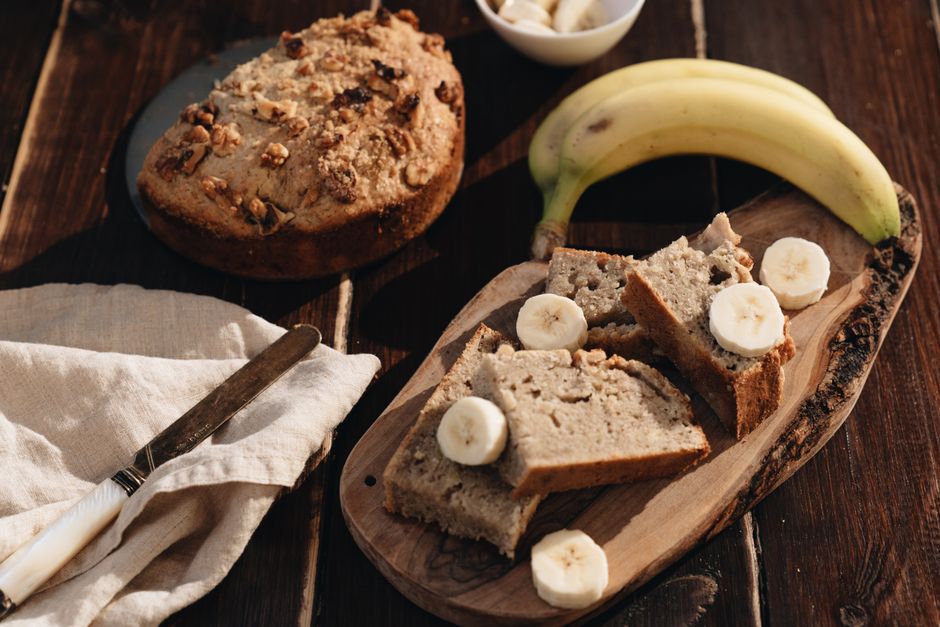
Why Choose Low Sugar Banana Bread?
Choosing to bake with less sugar is one of the easiest ways to upgrade your morning routine. Standard bakery banana breads are often closer to cake than bread, packed with empty calories that leave you feeling sluggish by mid-morning. By focusing on low sugar banana bread recipes, you can enjoy a nutrient-dense slice that fuels your body with sustained energy.
Bananas themselves are nature’s sweetener, loaded with potassium, vitamin B6, and dietary fiber. When you let the natural sugars in the fruit do the heavy lifting, you can dramatically cut down on added sweeteners. This approach allows the complex, earthy flavor of the bananas to shine through, creating a more sophisticated and satisfying flavor profile.
Furthermore, reducing sugar in your baked goods helps prevent rapid spikes in blood glucose levels. This makes low-sugar options a much safer choice for individuals managing diabetes or those following a low-glycemic lifestyle. You do not have to give up your favorite comfort foods; you simply need to bake them smarter.
The Science of Baking with Less Sugar
Sugar plays a much larger role in baking than simply making things taste sweet. In chemistry-speak, sugar is a tenderizer and a humectant, meaning it attracts and holds onto moisture while preventing gluten structure from becoming too tough. When you reduce sugar in a recipe, you have to compensate for these structural changes to avoid ending up with a dry, dense brick.
To keep our low sugar banana bread recipes incredibly moist, we rely on alternative sources of hydration and fat. Using very ripe, brown-spotted bananas is crucial because their starches have converted into simple sugars and liquid, providing natural moisture. Additionally, ingredients like unsweetened applesauce, mashed avocado, or yogurt can step in to keep the crumb tender and soft.
Browning is another area affected by sugar reduction, as sugar undergoes caramelization and the Maillard reaction under heat. Without excess sugar, your loaf might look a bit paler when it comes out of the oven. We can combat this by using a touch of natural honey, maple syrup, or a pinch of baking soda to encourage a beautiful, golden-brown crust.
Key Ingredients for a Wholesome Loaf
Creating a stellar low-sugar quick bread requires selecting high-quality ingredients that work together harmoniously. Instead of relying on white flour and white sugar, we look to whole foods that offer both structural integrity and nutritional value. Here are the superstar ingredients you will need for this recipe:
- Overripe Bananas: The absolute star of the show. Look for bananas that are heavily speckled with brown or black spots, as they are the sweetest and easiest to mash.
- Whole Wheat Pastry Flour: This flour offers the nutritional benefits of whole grains while maintaining a light, delicate texture that prevents the bread from becoming too heavy.
- Healthy Fats: A small amount of coconut oil or grass-fed butter provides the necessary richness to coat the flour proteins and keep the bread soft.
- Natural Sweeteners: We use just a splash of pure maple syrup or raw honey to enhance the banana flavor without overwhelming the palate.
- Eggs: Eggs act as a binder and provide the necessary rise and structure to our low-sugar batter.
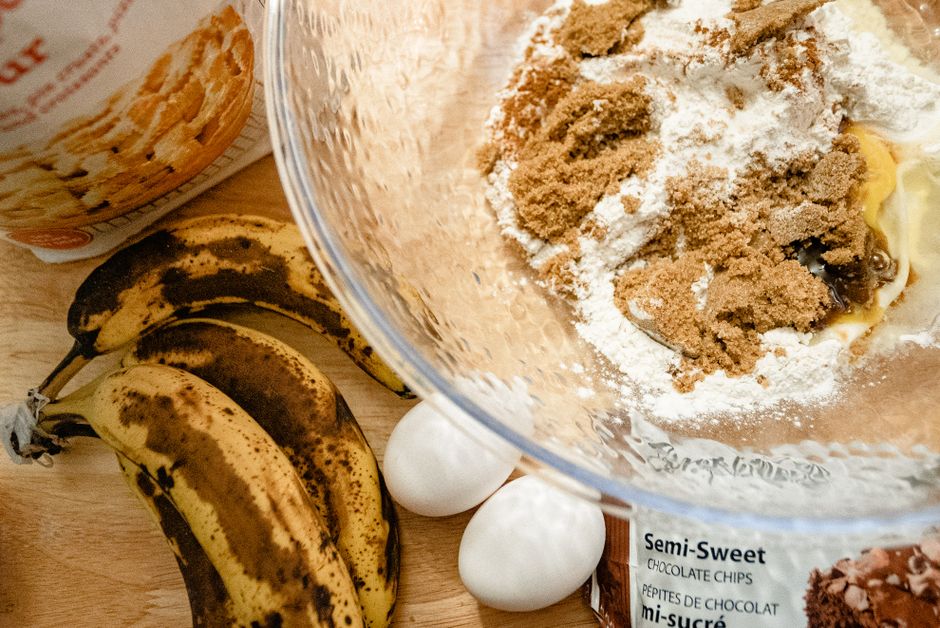
The Ultimate Low Sugar Banana Bread
Ingredients
- 3 large, very ripe bananas (mashed, about 1.5 cups)
- 2 large eggs, room temperature
- 1/4 cup melted coconut oil (or unsalted butter)
- 1/4 cup unsweetened almond milk (or milk of choice)
- 2 tablespoons pure maple syrup or honey
- 1 teaspoon pure vanilla extract
- 1.75 cups whole wheat pastry flour (or all-purpose flour)
- 1 teaspoon baking soda
- 1/2 teaspoon ground cinnamon
- 1/4 teaspoon fine sea salt
- Optional: 1/3 cup chopped walnuts or sugar-free chocolate chips
Instructions
- Preheat your oven to 350°F (175°C) and grease an 8.5 x 4.5-inch loaf pan, or line it with parchment paper for easy removal.
- In a large mixing bowl, mash the ripe bananas thoroughly with a fork or potato masher until smooth.
- Whisk in the eggs, melted coconut oil, almond milk, maple syrup, and vanilla extract until well combined.
- In a separate bowl, whisk together the whole wheat pastry flour, baking soda, ground cinnamon, and sea salt.
- Gently fold the dry ingredients into the wet ingredients using a spatula just until combined; do not overmix, or the bread will be tough.
- If using, gently fold in the chopped walnuts or sugar-free chocolate chips at the very end.
- Pour the batter into your prepared loaf pan and smooth the top with a spatula.
- Bake for 45 to 55 minutes, or until a toothpick inserted into the center of the loaf comes out clean or with just a few moist crumbs.
- Let the bread cool in the pan for 10 minutes, then transfer it to a wire rack to cool completely before slicing.
Tips & Variations
Sweetness Adjustment: If your bananas are not completely brown, you may want to add an extra tablespoon of maple syrup to compensate. For a completely sugar-free option, you can substitute the maple syrup with an equal amount of liquid monk fruit or stevia drops.
Storage
Store any leftover banana bread in an airtight container at room temperature for up to 3 days, or keep it in the refrigerator for up to a week. To freeze, slice the loaf and wrap individual slices in plastic wrap, then store them in a freezer-safe bag for up to 3 months.
Nutrition (per serving)
Calories: 165 kcal | Carbohydrates: 24g | Protein: 4g | Fat: 7g | Saturated Fat: 5g | Fiber: 3g | Sugar: 6g
Variations of Low Sugar Banana Bread
One of the best things about low sugar banana bread recipes is how adaptable they are to different dietary needs. If you are following a gluten-free diet, you can easily swap the whole wheat flour for a 1-to-1 gluten-free baking blend. Just make sure the blend contains xanthan gum to help maintain the bread’s structure.
For a plant-based or vegan version, you can substitute the eggs with two flax eggs (two tablespoons of ground flaxseed mixed with six tablespoons of water, left to sit for five minutes). Use coconut oil instead of butter and select a plant-based milk like oat or soy milk. The resulting loaf will be slightly denser but incredibly moist and delicious.
If you want to boost the protein content of your morning slice, try adding a scoop of your favorite unflavored or vanilla protein powder to the dry ingredients. You can also stir in a handful of hemp seeds, chia seeds, or pumpkin seeds for an extra dose of healthy fats and a delightful crunch.
Comparing Traditional vs. Low Sugar Recipes
When searching for the perfect bake, you will find countless variations online. For instance, if you are short on time, you might look into a banana bread recipe bisquick shortcut, which uses pre-made baking mix to speed up the process. While convenient, these mixes often contain added sugars and preservatives that you might want to avoid on a low-sugar diet.
Traditional bakers often rely on a classic banana bread recipe brown sugar base to achieve that deep, molasses-like sweetness and moisture. While brown sugar creates a beautiful texture, it adds a significant amount of empty calories. Our recipe mimics this moisture by using the natural richness of ripe bananas and a touch of maple syrup.
If you want to experiment with different texture enhancers, a banana bread recipe greek yogurt is a fantastic option. Greek yogurt adds a wonderful tang, reduces the amount of oil needed, and boosts the protein content. Alternatively, some vintage bakers swear by a banana bread with mayonnaise recipe, which uses the emulsion of oil and eggs in mayo to create an incredibly tender crumb.
For those who love warm spices, combining your low-sugar base with a banana nut bread recipe with cinnamon is a match made in heaven. The cinnamon enhances the perception of sweetness without adding any actual sugar, while the nuts provide a satisfying crunch and healthy fats.
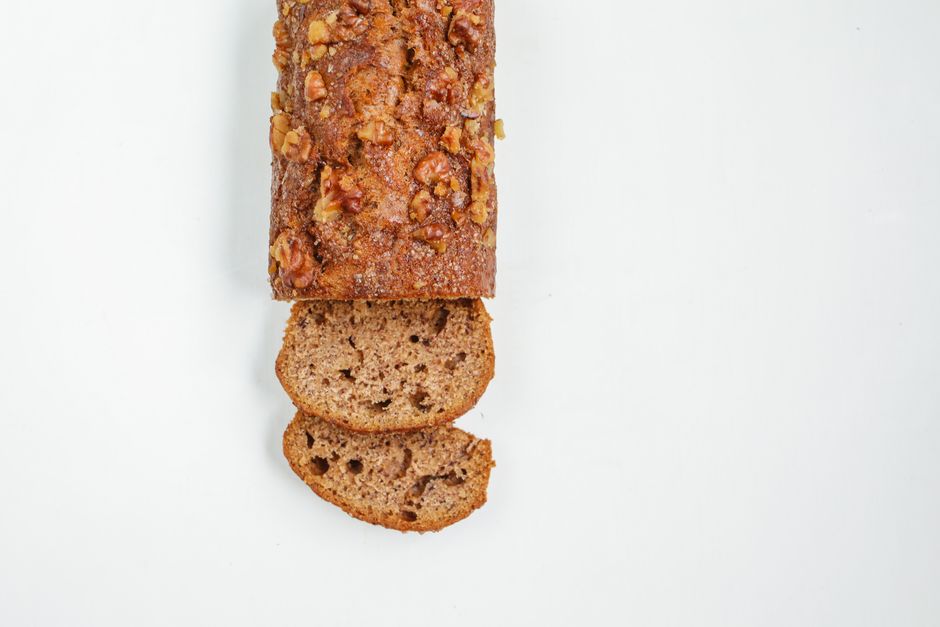
Tips for Success
The secret to mastering low sugar banana bread recipes lies in the preparation of your bananas. Do not be afraid of bananas that look completely black on the outside; these are actually the best ones to use! As bananas ripen, their starches break down into fructose and glucose, making them incredibly sweet and easy to incorporate into the batter.
When measuring your flour, always use the “spoon and level” method rather than scooping directly from the bag. Scooping packs the flour down, resulting in too much flour and a dry, crumbly loaf. Spoon the flour gently into your measuring cup and sweep the excess off the top with the flat edge of a butter knife.
Lastly, resist the temptation to overmix the batter once you combine the wet and dry ingredients. Overmixing activates the gluten in the flour, which can make your banana bread tough and rubbery. Stir gently with a spatula just until you no longer see any pockets of dry flour.
Storage and Freezing Guidelines
Because low-sugar baked goods contain less refined sugar (which acts as a natural preservative), they can spoil slightly faster than traditional cakes. Keep your banana bread fresh by storing it in an airtight container. If you plan to eat it within a few days, keeping it on the counter at room temperature is perfectly fine.
If you want to extend its shelf life, wrap the loaf tightly in parchment paper and store it in the refrigerator. The cool temperature will keep it fresh for up to seven days. Simply pop a slice into the toaster oven for a few minutes to restore that fresh-baked warmth and crispy edges.
For long-term storage, freezing is your best option. I highly recommend slicing the loaf completely before freezing. Place pieces of parchment paper between the slices so they do not stick together, then place them in a heavy-duty freezer bag. This way, you can easily pull out a single slice and toast it whenever a craving strikes.
Frequently Asked Questions
Can I make this recipe completely sugar-free?
Yes, you can make this recipe sugar-free by omitting the maple syrup or honey and replacing it with a sugar-free liquid sweetener like stevia or monk fruit drops. Keep in mind that bananas contain natural sugars, so the bread will still have some naturally occurring carbohydrates.
Can I use frozen bananas for banana bread?
Absolutely! Frozen bananas are wonderful for baking. Let them thaw completely in a bowl before using; they will release a lot of liquid as they thaw. Be sure to include all that sweet liquid in your batter, as it contains a lot of the natural sugars and flavor.
Why did my low sugar banana bread turn out dense?
A dense loaf can happen if the batter was overmixed or if too much flour was added. Make sure to measure your flour accurately and fold the ingredients together gently. Additionally, check that your baking soda is fresh, as expired leavening agents will prevent the bread from rising properly.
Can I add chocolate chips to this recipe?
Yes, you can easily add chocolate chips to this recipe. To keep the sugar content low, look for dark chocolate chips with a high cacao percentage (70% or higher) or use sugar-free chocolate chips sweetened with stevia or erythritol.
Conclusion
Baking healthier treats does not mean you have to sacrifice the flavors and textures you love. By focusing on natural ingredients and smart baking techniques, these low sugar banana bread recipes prove that you can enjoy a decadent, comforting slice of bread while keeping your health goals on track. It is a wonderful feeling to slice into a warm loaf knowing it is packed with wholesome ingredients.
I encourage you to experiment with this recipe, adding your own favorite spices, nuts, or seeds to make it your own. Whether enjoyed with a hot cup of coffee in the morning or as an afternoon snack, this low-sugar loaf is sure to bring joy to your kitchen. Happy baking, and may your home always be filled with the wonderful aroma of fresh banana bread!
