There is nothing quite like the warm, sweet aroma of freshly baked banana bread wafting through the kitchen on a cozy weekend morning. For many of us, banana bread is the ultimate comfort food, bringing back fond memories of childhood and family gatherings. However, traditional recipes are often loaded with butter, oil, and excess sugar, making them less than ideal for a health-conscious lifestyle.
Fortunately, you do not have to sacrifice your health goals to enjoy a thick, tender slice of your favorite quick bread. By making a few smart ingredient swaps, you can create a guilt-free version that is just as satisfying as the original. This comprehensive guide will show you how to bake the ultimate low fat banana bread recipe that remains incredibly moist, fluffy, and packed with natural banana flavor.
Whether you are trying to cut down on calories, reduce your fat intake, or simply find a healthier snack for your family, this recipe is sure to become a staple in your kitchen. Let us dive into the secrets of low-fat baking and learn how to make a loaf that everyone will love.
Why You Will Love This Low Fat Banana Bread
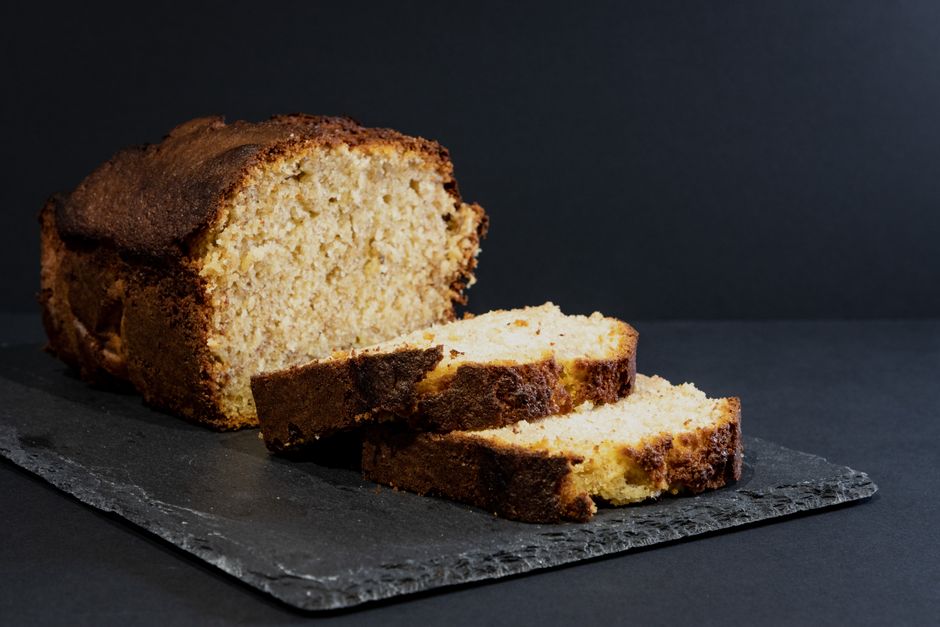
One of the biggest concerns people have when baking with less fat is that the final product will turn out dry, dense, or tasteless. This low fat banana bread recipe puts those fears to rest by utilizing natural fruit purées to lock in moisture. The result is a beautifully golden loaf with a delicate crumb and a rich, sweet banana flavor that shines through in every bite.
Another reason to love this recipe is its simplicity, requiring basic pantry staples that you likely already have on hand. It is an excellent way to rescue overripe bananas that are sitting on your counter, turning food waste into a delicious breakfast or snack. Plus, because it is lower in fat, you can enjoy a slice guilt-free alongside your morning coffee or pack it in school lunches.
This recipe is also incredibly versatile, serving as a blank canvas for your favorite mix-ins and flavor profiles. You can customize the spices, add a handful of berries, or stir in a few dark chocolate chips for a touch of indulgence. It is a crowd-pleasing treat that proves healthy baking can be absolutely delicious.
The Science of Baking Low Fat: How to Keep it Moist
In traditional baking, fats like butter and oil play a crucial role in coating flour proteins, which prevents gluten from developing too quickly. This process is what gives baked goods their tender, melt-in-your-mouth texture. When we reduce the fat, we must find alternative ways to keep the bread tender and prevent it from becoming tough or rubbery.
The secret weapon in this low fat banana bread recipe is the combination of mashed bananas and unsweetened applesauce. Bananas are naturally rich in pectin and moisture, which mimic the structure-building properties of fat without the added calories. Applesauce works alongside the bananas to provide hydration, ensuring the loaf stays soft and fresh for days.
If you want to boost the protein while keeping the fat content low, utilizing a banana bread recipe greek yogurt base is an excellent strategy. Greek yogurt adds a pleasant tang, helps activate the baking soda for a better rise, and contributes to an incredibly tender crumb. This stands in stark contrast to heavier, high-fat alternatives like a traditional banana bread with mayonnaise recipe, which relies on heavy oils for moisture.
Key Ingredients for the Ultimate Low Fat Banana Bread
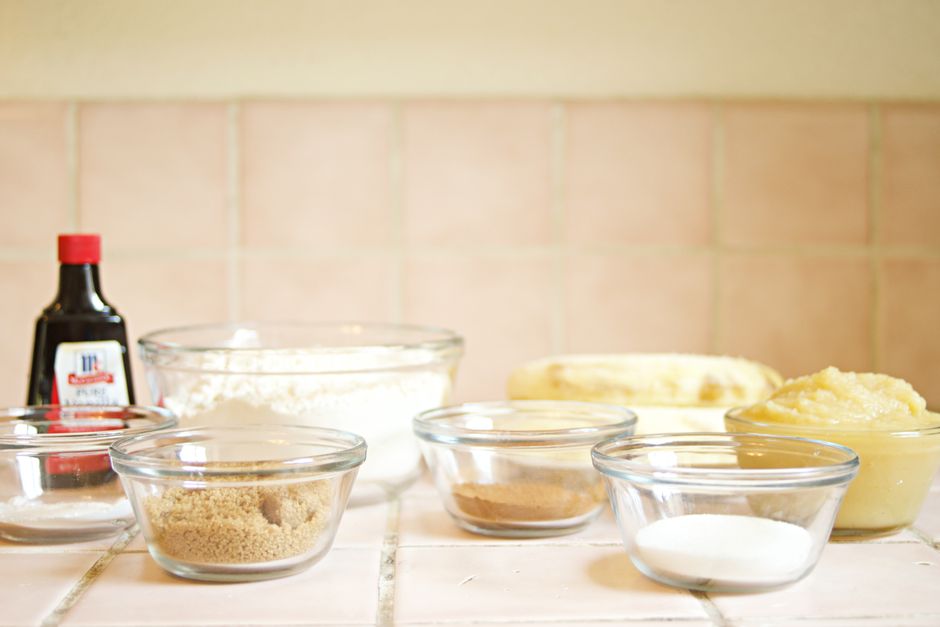
To achieve the perfect balance of flavor and texture, selecting the right ingredients is absolutely essential. The star of the show, of course, is the bananas, which must be heavily speckled with black spots or even completely brown. As bananas ripen, their starches convert into simple sugars, providing natural sweetness and a stronger banana aroma that reduces the need for added sugar.
For the sweetener, we recommend using a mixture of granulated sugar and brown sugar. For the best texture and depth of flavor, modifying a classic banana bread recipe brown sugar style allows the molasses to keep the crumb tender without extra butter. The moisture in brown sugar plays a key role in keeping the bread soft, while also adding a lovely caramel-like undertone.
When it comes to flour, all-purpose flour provides the lightest texture, but you can easily swap in white whole wheat flour for a nutritional boost. A touch of vanilla extract and a pinch of cinnamon enhance the natural sweetness of the bananas, creating a comforting flavor profile. Finally, a small amount of baking soda and baking powder ensure your loaf rises beautifully in the oven.
Healthy Low Fat Banana Bread
Ingredients
- 3 large overripe bananas, mashed (about 1.5 cups)
- 1/4 cup unsweetened applesauce
- 1/4 cup plain nonfat Greek yogurt
- 1/2 cup packed light brown sugar
- 1 large egg, room temperature
- 1 teaspoon pure vanilla extract
- 1 3/4 cups all-purpose flour
- 1 teaspoon baking soda
- 1/2 teaspoon baking powder
- 1/2 teaspoon salt
- 1 teaspoon ground cinnamon
Instructions
- Preheat your oven to 350°F (175°C) and lightly grease an 8.5 x 4.5-inch loaf pan with non-stick cooking spray.
- In a large mixing bowl, thoroughly mash the overripe bananas with a fork or potato masher until smooth.
- Whisk in the unsweetened applesauce, Greek yogurt, brown sugar, egg, and vanilla extract until well combined.
- In a separate medium bowl, whisk together the all-purpose flour, baking soda, baking powder, salt, and ground cinnamon.
- Gently fold the dry ingredients into the wet ingredients using a spatula just until combined; do not overmix.
- Pour the batter into the prepared loaf pan and smooth the top with your spatula.
- Bake for 45 to 55 minutes, or until a toothpick inserted into the center comes out clean or with just a few moist crumbs.
- Allow the bread to cool in the pan for 10 minutes, then transfer it to a wire rack to cool completely before slicing.
Tips & Variations
To keep this recipe truly low-fat, avoid adding heavy mix-ins like nuts or chocolate chips, or use them very sparingly. If you prefer a dairy-free version, you can substitute the Greek yogurt with an equal amount of unsweetened coconut yogurt or additional applesauce. Always measure your flour using the spoon-and-level method to prevent the bread from becoming dry and dense.
Storage
Store any leftover banana bread in an airtight container at room temperature for up to 3 days, or in the refrigerator for up to a week. To freeze, wrap individual slices tightly in plastic wrap and store them in a freezer-safe bag for up to 3 months.
Nutrition (per serving)
Calories: 145 kcal | Carbohydrates: 31g | Protein: 3.5g | Fat: 0.8g | Saturated Fat: 0.2g | Sodium: 180mg | Fiber: 1.8g | Sugar: 14g
Step-by-Step Baking Guide and Tips for Success
Baking a low fat banana bread recipe requires a gentle touch and a close eye on the oven timer. Because this recipe contains minimal fat, it is much easier to overbake, which can lead to a dry and crumbly texture. Start by ensuring your oven is properly calibrated, as even a small temperature discrepancy can affect the final bake.
When mixing your batter, the golden rule is to avoid overmixing at all costs. Once the flour meets the wet ingredients, gluten begins to form; overworking the batter will result in a tough, rubbery loaf. Stir the ingredients together just until the flour streaks disappear, and then stop immediately.
To check for doneness, use the toothpick test starting around the 45-minute mark. Insert a wooden toothpick into the thickest part of the center of the loaf. If it comes out clean or with a few moist crumbs, the bread is done and should be removed from the heat immediately to preserve its moisture.
Recipe Variations to Try
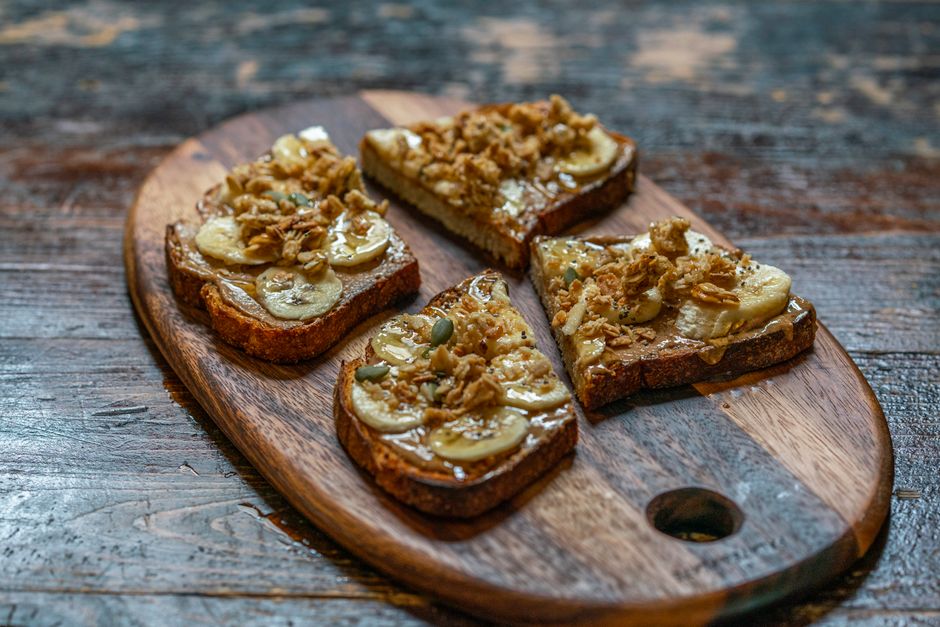
If you love warm spices and a bit of crunch, you can easily adapt this into a lightened-up banana nut bread recipe with cinnamon. Simply fold in a quarter cup of chopped walnuts or pecans along with an extra dash of nutmeg. While nuts do add healthy fats, keeping the portion small ensures the recipe remains relatively low in overall fat content.
For those busy mornings when you need a shortcut, you might look into a banana bread recipe bisquick alternative, though baking from scratch gives you ultimate control over the fat content. You can also make this recipe gluten-free by swapping the all-purpose flour for a high-quality 1-to-1 gluten-free baking blend. If you go this route, let the batter rest for 10 minutes before baking to help the gluten-free flour absorb the liquids.
To make a vegan version of this low fat banana bread recipe, you can easily replace the egg with a flax egg (1 tablespoon of ground flaxseed mixed with 2.5 tablespoons of water). Replace the dairy Greek yogurt with a plant-based alternative or simply use pumpkin purée. These simple adjustments make the recipe accessible to a wider variety of dietary needs without sacrificing flavor.
How to Serve and Store Your Low Fat Banana Bread
This banana bread is delicious served warm right out of the oven, but the flavors actually deepen and improve the next day. For a delightful breakfast, try toasting a slice and spreading it with a tiny bit of light cream cheese, apple butter, or a drizzle of pure maple syrup. It also pairs wonderfully with a bowl of fresh berries and a hot cup of herbal tea.
To store your bread and keep it moist, make sure it has cooled completely to room temperature before packing it away. Wrapping it in plastic wrap and placing it in a sealed container will prevent it from drying out. If you live in a warm, humid environment, storing the bread in the refrigerator is best to prevent mold growth.
If you choose to freeze the bread, slicing it beforehand is highly recommended. This allows you to pull out a single slice at a time whenever a craving strikes. Simply pop the frozen slice into the toaster or microwave for a few seconds, and you will have a warm, fresh-tasting treat ready in no time.
Frequently Asked Questions (FAQs)
Why is my low fat banana bread rubbery?
A rubbery texture is usually the result of overmixing the batter. When you mix flour with wet ingredients, gluten develops; overmixing creates too much gluten structure, which makes the bread dense and rubbery. Mix the ingredients just until combined for the best results.
Can I make this recipe completely sugar-free?
Yes, you can substitute the brown sugar with a sugar-free sweetener designed for baking, such as an erythritol or monk fruit blend. Keep in mind that sugar contributes to moisture, so a sugar-free version may turn out slightly drier than the original recipe.
What can I use instead of applesauce?
If you do not have applesauce, you can use pumpkin purée, mashed pears, or additional mashed bananas. Nonfat Greek yogurt or low-fat sour cream can also be used as a direct replacement for the applesauce to maintain moisture.
How do I know if my bananas are ripe enough?
Your bananas should have plenty of brown or black spots on the peel, and they should feel very soft to the touch. The riper the bananas, the sweeter and more flavorful your banana bread will be, allowing you to use less added sugar.
Can I use this recipe to make muffins instead of a loaf?
Absolutely! Line a muffin tin with paper liners or spray it with non-stick cooking spray, then fill each cup about three-quarters full. Bake at 350°F (175°C) for 18 to 22 minutes, checking with a toothpick for doneness.
Conclusion
Baking a healthy, low fat banana bread recipe does not mean you have to settle for dry, flavorless results. By understanding the role of ingredients like applesauce and Greek yogurt, you can create a loaf that is incredibly moist, tender, and satisfying. It is the perfect way to enjoy a classic comfort food while keeping your nutritional goals on track.
We hope this recipe becomes a favorite in your household, bringing warmth and delicious aromas to your kitchen. Gather your overripe bananas, preheat your oven, and enjoy the simple pleasure of baking a wholesome treat. Happy baking!
