We have all been there. You are standing in your kitchen, searing a beautiful piece of steak or preparing a fresh stir-fry, when suddenly the smoke detector starts screaming. Within seconds, your kitchen is filled with a thick, hazy blue mist, and the rich aroma you were expecting is replaced by a bitter, burnt smell. It is a frustrating moment that usually ends with opened windows, fan-waving, and unfortunately, ruined food. This common kitchen disaster happens when your cooking oil exceeds its smoke point.
Understanding the smoke point of different fats is one of the most fundamental skills in culinary arts. Every oil and fat in your pantry has a specific temperature limit where it stops shimmering and starts to burn. When this threshold is crossed, the chemical structure of the oil breaks down, releasing harmful free radicals and a harsh chemical called acrolein. To prevent this, keeping a reliable cooking oil smoke point chart handy is a game-changer for both the flavor of your food and your health.
In this comprehensive guide, we will dive deep into the science behind smoke points, explore why different oils behave the way they do, and provide a detailed cooking oil smoke point chart. Whether you are deep-frying chicken, baking a sweet treat, or whisking together a delicate salad dressing, you will learn exactly which oil to reach for. Let us demystify the fats in your pantry so you can cook with absolute confidence.
What is a Cooking Oil Smoke Point?
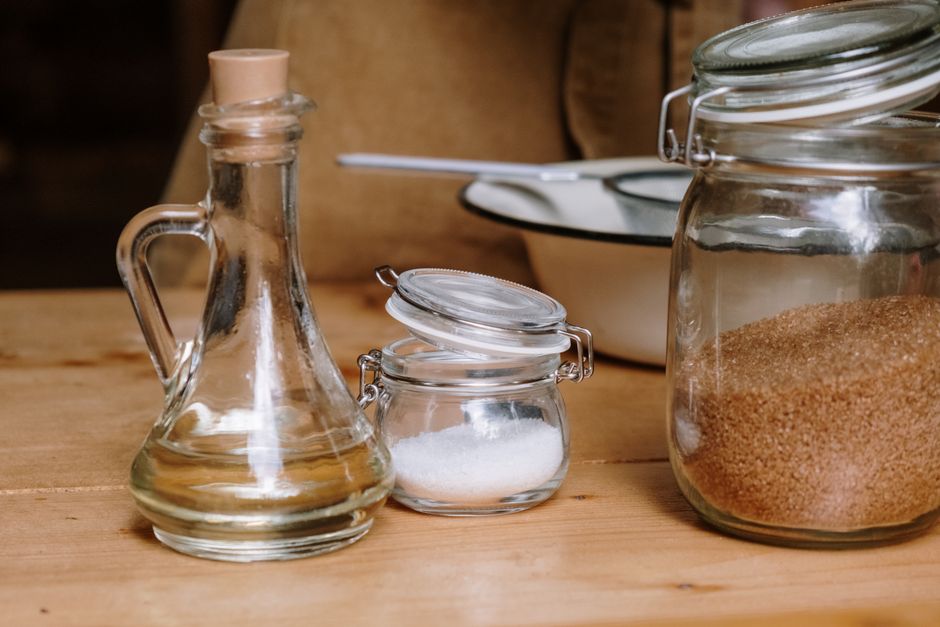
In simple terms, the smoke point of an oil is the temperature at which it stops heating up and begins to produce a continuous bluish smoke. This is not just a visual cue; it is a sign of chemical decomposition. At this temperature, the volatile compounds, free fatty acids, and impurities within the oil begin to burn. This breakdown ruins the natural flavors of the oil, replacing them with a bitter, acrid taste that will transfer directly to your food.
When oil reaches its smoke point, it also begins to release polar compounds and free radicals. These substances are associated with cellular damage and inflammation when consumed regularly. Additionally, the smoke itself contains acrolein, a compound that can irritate your eyes and throat. Therefore, matching the heat of your cooking method to the correct oil is essential for maintaining both the nutritional value of your ingredients and the safety of your kitchen environment.
It is also important to note that the smoke point of an oil is not a fixed, permanent number. As oil ages, is exposed to light and air, or is reused multiple times, its smoke point gradually decreases. This is why fresh, clean oil is always recommended for high-heat applications like deep frying. Understanding these variables helps you manage your kitchen heat and choose the best fat for the job.
Why You Need a Cooking Oil Smoke Point Chart in Your Kitchen
Having a cooking oil smoke point chart pinned to your refrigerator or saved on your phone saves you from guesswork. Different culinary techniques require vastly different temperature ranges. For instance, deep frying typically requires temperatures between 350°F and 375°F, while searing a steak on a cast-iron skillet can easily push past 500°F. If you try to sear a steak using extra virgin olive oil, which smokes around 350°F, you will end up with a burnt, smoky mess before the steak even gets a proper crust.
Conversely, using a highly refined, neutral oil for a cold salad dressing is a missed opportunity for flavor. Oils with low smoke points, such as walnut oil or toasted sesame oil, are packed with delicate aromatic compounds that shine best when kept away from high heat. A chart helps you balance flavor preservation with thermal stability, ensuring your expensive specialty oils are not wasted in the frying pan.
Furthermore, understanding smoke points is crucial for home bakers. When baking a quick bread, like a banana bread recipe bisquick, choosing a neutral oil with a medium-high smoke point ensures a moist texture without altering the flavor. If you prefer a rich, caramelized flavor profile in your bakes, such as a banana bread recipe brown sugar variation, coconut oil or canola oil works beautifully. A quick glance at a smoke point chart ensures your baked goods rise perfectly without any off-flavors from scorched fats.
The Ultimate Cooking Oil Smoke Point Chart
To make your kitchen decisions easier, we have compiled a comprehensive cooking oil smoke point chart. The table below categorizes common cooking fats by their smoke points, ranging from the highest heat tolerance to the lowest. We have also included their typical culinary uses to help you decide when to use each one.
| Cooking Oil/Fat | Smoke Point (°F) | Smoke Point (°C) | Best Culinary Uses |
|---|---|---|---|
| Avocado Oil (Refined) | 520°F | 271°C | Searing, grilling, stir-frying, deep frying |
| Safflower Oil (Refined) | 510°F | 266°C | Deep frying, high-heat baking, sautéing |
| Rice Bran Oil | 490°F | 254°C | Stir-frying, deep frying, baking |
| Light/Refined Olive Oil | 465°F | 240°C | Sautéing, roasting, general cooking |
| Soybean Oil (Refined) | 450°F | 232°C | Deep frying, baking, commercial frying |
| Peanut Oil (Refined) | 450°F | 232°C | Deep frying, stir-frying, wok cooking |
| Corn Oil (Refined) | 450°F | 232°C | Baking, shallow frying, sautéing |
| Ghee (Clarified Butter) | 450°F | 232°C | Searing, Indian cuisine, sautéing |
| Grapeseed Oil | 420°F | 216°C | Sautéing, roasting, salad dressings |
| Canola Oil (Refined) | 400°F | 204°C | Baking, frying, general everyday cooking |
| Extra Virgin Olive Oil (EVOO) | 350°F – 410°F | 177°C – 210°C | Light sautéing, drizzling, salad dressings |
| Coconut Oil (Virgin/Unrefined) | 350°F | 177°C | Baking, low-heat sautéing, curries |
| Butter | 302°F – 350°F | 150°C – 177°C | Low-heat baking, pan-frying, sauces |
| Toasted Sesame Oil | 350°F | 177°C | Finishing oil, stir-fry seasoning, dressings |
| Flaxseed Oil (Unrefined) | 225°F | 107°C | Cold dressings, drizzling only (do not heat) |
High-Smoke Point Oils (Best for Deep Frying, Searing, and Stir-Frying)
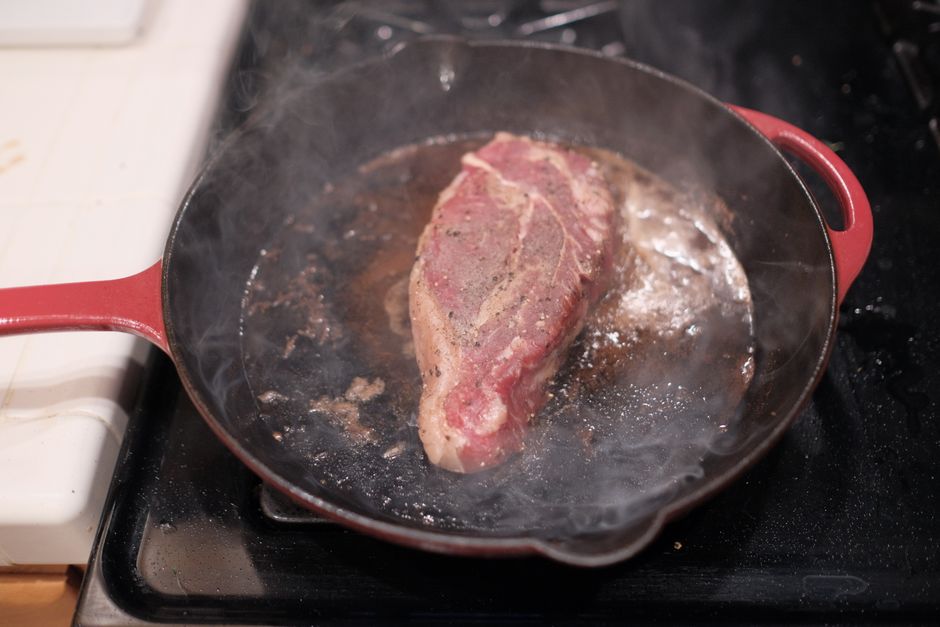
Oils with a smoke point above 450°F (232°C) are the workhorses of high-heat cooking. Refined avocado oil leads the pack with an incredibly high smoke point of 520°F. This makes it the absolute best choice for searing steaks in cast-iron pans or grilling over open flames. Because it is refined, it has a neutral taste that will not interfere with the natural flavors of your ingredients.
Safflower, rice bran, and peanut oils are also excellent options in this category. Peanut oil is particularly famous in Southern cooking and Asian cuisines for deep frying and stir-frying because it adds a very subtle, pleasant nuttiness while remaining highly stable at high temperatures. Ghee, or clarified butter, is another fantastic option; by removing the milk solids from regular butter, its smoke point jumps from 350°F to a robust 450°F, allowing you to enjoy that rich butter flavor at much higher heats.
Medium-High Smoke Point Oils (Best for Baking, Sautéing, and Roasting)
Oils falling between 400°F and 450°F (204°C to 232°C) are highly versatile and suitable for everyday cooking methods. Canola oil and grapeseed oil are two of the most popular choices here. They are neutral in flavor, relatively inexpensive, and hold up beautifully to roasting vegetables in the oven or sautéing proteins on the stovetop.
This temperature range is also ideal for home baking. For those looking to cut down on fat while maintaining moisture, combining a light oil with yogurt in a banana bread recipe greek yogurt is a fantastic option. A touch of vegetable oil also keeps the crumb tender in a classic spiced loaf like a banana nut bread recipe with cinnamon. Using oils in this category ensures that your baked goods rise evenly and stay moist without any burnt undertones.
Low-Smoke Point Oils (Best for Dressing, Drizzle, and Low-Heat Cooking)
Fats with smoke points below 350°F (177°C) should be handled with care. Extra virgin olive oil (EVOO) is a unique case; depending on its quality and free fatty acid content, its smoke point can range from 350°F to 410°F. While you can use high-quality EVOO for light sautéing, it is generally best reserved for drizzling over finished dishes, dipping bread, or whisking into vinaigrettes to preserve its complex, grassy flavor notes.
Unrefined coconut oil, butter, and toasted sesame oil also sit in this lower range. Butter contains milk solids and water, which burn quickly when heated, making it ideal for gentle pan-frying or baking at lower temperatures. Interestingly, some vintage recipes substitute traditional oil altogether, as seen in a unique banana bread with mayonnaise recipe where the emulsified oil in mayo provides incredible richness and moisture without the risk of separating during the bake.
Refined vs. Unrefined Oils: The Impact on Smoke Points
You might wonder why avocado oil can have a smoke point of 520°F while fresh avocados are soft and creamy. The secret lies in the extraction and refining process. Unrefined oils, often labeled as “cold-pressed” or “virgin,” are extracted mechanically without heat or chemicals. This process preserves the oil’s natural minerals, enzymes, vitamins, and flavor compounds. However, these organic particles are highly sensitive to heat and burn easily, giving unrefined oils a much lower smoke point.
Refined oils, on the other hand, undergo additional processing steps. They are filtered, heated, and sometimes treated with food-safe alkaline agents to remove free fatty acids, impurities, and strong odors. This chemical and physical purification process results in a highly stable oil with a neutral flavor, clear appearance, and a significantly higher smoke point. While refined oils lose some of their nutritional antioxidants, they are far safer and more effective for high-heat cooking applications.
When shopping, always check the label. If you buy “unrefined” avocado oil, its smoke point drops to around 375°F, which is unsuitable for searing but wonderful for drizzling. Understanding the difference between refined and unrefined versions of the same oil is key to avoiding smoky kitchen disasters.
How to Choose the Right Oil for Your Cooking Method
Choosing the right oil does not have to be complicated. Start by identifying the cooking technique you plan to use and estimate the target temperature. For deep frying, you want an oil that can comfortably sit at 375°F without breaking down, such as canola, peanut, or vegetable oil. These oils are also neutral, meaning they will not alter the flavor of your fried chicken or french fries.
For oven roasting, temperatures usually hover between 400°F and 450°F. Grapeseed oil, avocado oil, and refined olive oil are fantastic choices here because they can withstand the dry heat of the oven while helping your vegetables and meats develop a crispy, golden-brown crust. If you are baking sweet treats, look for neutral oils that keep bakes moist without adding a heavy savory flavor.
Finally, for finishing dishes, choose flavor-forward, unrefined oils. Drizzle extra virgin olive oil over a warm bowl of soup, splash toasted sesame oil over a finished stir-fry, or use walnut oil in a summer salad dressing. Because these oils will not be exposed to direct heat, their delicate aromas and health-promoting antioxidants will remain fully intact.
Putting It to Use: Crispy Herb-Roasted Potatoes Recipe
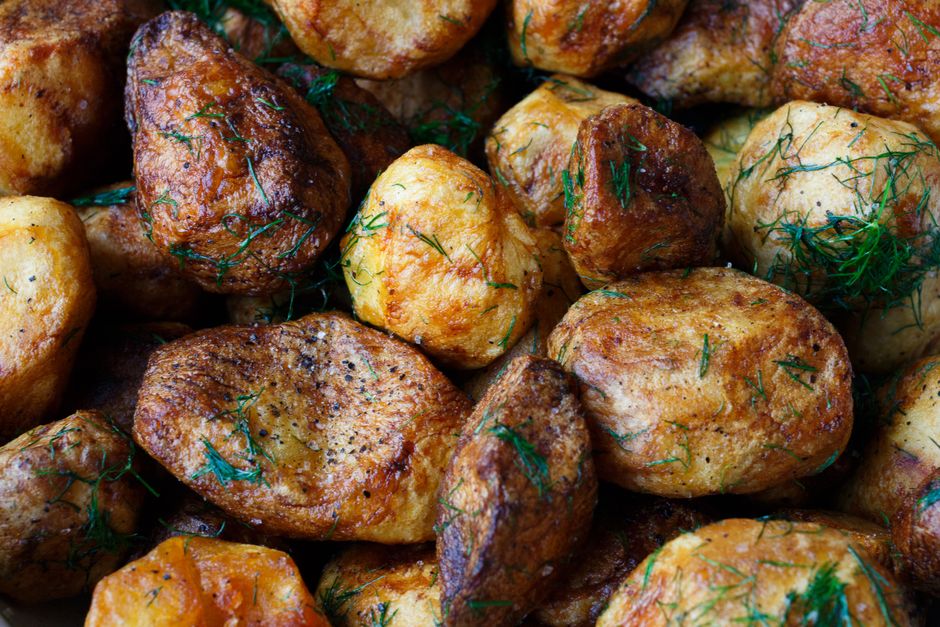
Now that you understand how to use the cooking oil smoke point chart, let us put that knowledge into action. This recipe uses high-heat roasting to achieve incredibly crispy edges and a fluffy interior. To handle the high oven temperature of 425°F without smoking, we will use refined avocado oil or canola oil.
Crispy Herb-Roasted Potatoes
Ingredients
- 2 lbs Yukon Gold potatoes, washed and cut into 1-inch cubes
- 3 tablespoons refined avocado oil (or canola oil)
- 1 teaspoon garlic powder
- 1 tablespoon fresh rosemary, finely chopped (or 1 teaspoon dried rosemary)
- 1 teaspoon sea salt
- 1/2 teaspoon freshly cracked black pepper
- Fresh parsley, chopped (for garnish)
Instructions
- Preheat your oven to 425°F (218°C). Place a large, rimmed baking sheet inside the oven while it preheats. Heating the pan beforehand helps prevent sticking and starts the crisping process immediately.
- Place the cubed potatoes into a large bowl of cold water for 10 minutes to remove excess starch. Drain them thoroughly and pat them completely dry with a clean kitchen towel. Dry potatoes are essential for achieving maximum crispiness.
- In a dry bowl, toss the potatoes with the refined avocado oil, garlic powder, rosemary, salt, and black pepper until every piece is evenly coated.
- Carefully remove the hot baking sheet from the oven. Spread the seasoned potatoes across the sheet in a single layer, ensuring they are not crowded. Crowded potatoes will steam instead of roast.
- Roast for 30 to 35 minutes, tossing them halfway through, until they are deep golden brown and crispy on the edges.
- Remove from the oven, garnish with fresh parsley, and serve immediately while hot.
Tips & Variations
- Spice it up: Add 1/2 teaspoon of smoked paprika or cayenne pepper for a smoky, spicy kick.
- Cheese lovers: Sprinkle 1/4 cup of freshly grated Parmesan cheese over the potatoes during the last 5 minutes of baking.
- Oil choice: Avoid using extra virgin olive oil for this recipe, as the 425°F oven temperature can cause it to smoke and taste bitter. Stick to refined avocado, canola, or safflower oil.
Storage
Store leftover roasted potatoes in an airtight container in the refrigerator for up to 4 days. To reheat and restore their crispy texture, place them in a single layer in an oven or air fryer at 380°F for 5 to 8 minutes. Avoid microwaving, as it will make them soggy.
Nutrition (per serving)
Calories: 180 kcal | Carbohydrates: 26g | Protein: 3g | Fat: 10g | Saturated Fat: 1g | Sodium: 585mg | Fiber: 3g
Frequently Asked Questions About Cooking Oil Smoke Points
Can you mix oils with different smoke points?
Yes, you can mix different oils, but the resulting mixture will not adopt the higher smoke point. Instead, the blend will begin to smoke at the temperature of the oil with the lowest smoke point. For example, if you mix butter and canola oil, the milk solids in the butter will still burn at around 300°F, even though canola oil can handle up to 400°F.
Does the smoke point change as oil ages?
Yes, the smoke point of any oil decreases over time. Exposure to air (oxidation), light, heat, and moisture causes the chemical bonds in the oil to break down, increasing the concentration of free fatty acids. To keep your oils fresh, store them in cool, dark pantries away from the stove, and keep their bottles tightly sealed.
Is it safe to use extra virgin olive oil for baking?
Generally, yes. Most baking occurs at oven temperatures between 325°F and 375°F. Because the internal temperature of the baked good itself rarely rises above 210°F, the oil inside the batter is protected from reaching its smoke point. However, EVOO has a strong, distinct flavor that may alter the taste of delicate pastries, so neutral oils are often preferred unless the recipe specifically calls for olive oil.
What is the best oil for seasoning a cast-iron skillet?
For seasoning cast iron, you want an oil with a high smoke point that can polymerize effectively. Grapeseed oil, canola oil, and flaxseed oil are popular choices. The oil needs to be heated past its smoke point during the seasoning process to bond with the metal and create that coveted non-stick surface, but this should be done in a well-ventilated kitchen.
Conclusion
Mastering the use of culinary fats is one of the easiest ways to elevate your home cooking. By keeping a cooking oil smoke point chart in mind, you can protect the integrity of your ingredients, keep your kitchen safe from smoke, and ensure every dish tastes exactly as intended. From high-heat searing to delicate salad dressings, there is a perfect fat for every culinary task.
Next time you prepare to cook, take a moment to match your cooking method with the correct oil. Your tastebuds, your health, and your smoke detector will thank you. Happy cooking!
