There is something deeply comforting about the aroma of baking banana bread filling a warm kitchen on a lazy Sunday morning. It is a timeless ritual that turns overripe, speckled bananas into a sweet, sliceable masterpiece. But what if you could elevate this classic comfort food into something truly extraordinary with just one simple step? Enter the magic of toasted milk solids, which turn ordinary fat into liquid gold.
By taking a few extra minutes to brown your butter, you introduce a complex, nutty flavor profile that pairs beautifully with the natural sweetness of bananas. This simple culinary technique transforms a standard quick bread into a gourmet treat that tastes like it came from an upscale bakery. Once you try this method, you will find it difficult to ever go back to using regular melted butter again.
In this guide, we will walk you through the science of browning butter, the best ingredients to use, and a foolproof step-by-step method. Whether you are an experienced baker or a beginner looking to impress your family, this recipe is designed to yield perfect results every single time. Grab those overripe bananas on your counter, and let us get baking.
Why Brown Butter Changes Everything
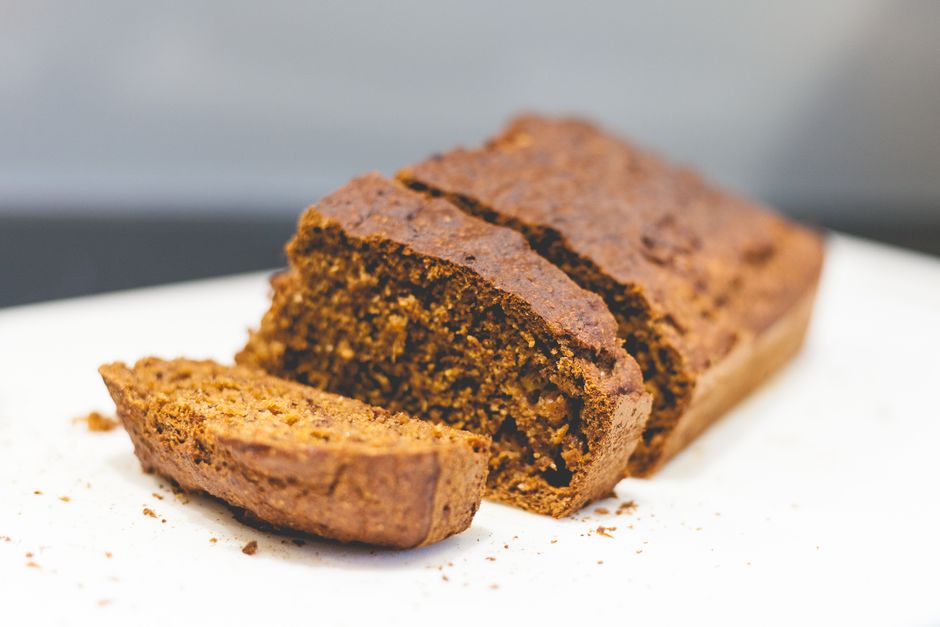
Brown butter, or beurre noisette as it is known in French cuisine, is the secret weapon of professional pastry chefs. The process involves gently heating unsalted butter until the water content evaporates and the milk solids begin to toast. This chemical transformation, known as the Maillard reaction, creates a rich, hazelnut-like aroma and a deep, caramelized flavor.
When incorporated into a brown butter banana bread recipe, this toasted fat cuts through the heavy sweetness of the bananas. It adds a sophisticated, savory undertone that balances the entire loaf. The tiny, toasted brown specks scattered throughout the batter ensure that every single bite is packed with depth and warmth.
While some bakers prefer using alternative fats, like in a banana bread with mayonnaise recipe to guarantee moisture, brown butter offers a depth of flavor that simply cannot be replicated. It provides the perfect balance of moisture, fat, and aroma, making it the ultimate foundation for a superior quick bread. Let us explore how this simple ingredient interacts with the rest of your pantry staples.
Selecting and Preparing the Bananas
The success of any banana bread relies heavily on the quality and ripeness of the bananas you choose. Green or yellow bananas simply will not do, as they lack the necessary sugar content and moisture. You want bananas that are heavily speckled with brown spots, or even completely black, as they are at their peak sweetness.
As bananas ripen, their starches convert into simple sugars, making them naturally sweeter and easier to mash into a smooth puree. The moisture content also increases, which helps keep your loaf incredibly tender for days. If your bananas are not quite ready, you can place them on a baking sheet and bake them at 300°F (150°C) for 15-20 minutes until the skins turn black.
When preparing the bananas, you can choose to mash them completely smooth or leave a few small chunks for texture. A potato masher or a simple dinner fork works perfectly for this task. Whichever texture you prefer, make sure to measure the mashed fruit accurately to maintain the correct balance of wet and dry ingredients.
Essential Ingredients for the Ultimate Loaf
To create a loaf that is both structurally sound and melt-in-your-mouth tender, each ingredient must play its part. The flour provides the structure, while the sugars and fats keep the crumb soft and moist. Using a combination of both white and brown sugar yields the best results for both flavor and texture.
Using dark brown sugar in this recipe is crucial because the molasses content adds moisture and a rich caramel undertone. If you enjoy deep caramel notes, you will love how this compares to a classic banana bread recipe brown sugar base. The moisture from the brown sugar works in tandem with the brown butter to prevent the loaf from drying out during its long bake time.
For those who want a lighter crumb or extra tang, you could experiment with a banana bread recipe greek yogurt variation, but today we are focusing on the pure decadence of toasted milk solids. We also add a splash of vanilla extract and a pinch of salt to enhance all the natural flavors. A touch of cinnamon adds a subtle warmth that ties the banana and butter flavors together beautifully.
How to Brown Butter Like a Pro
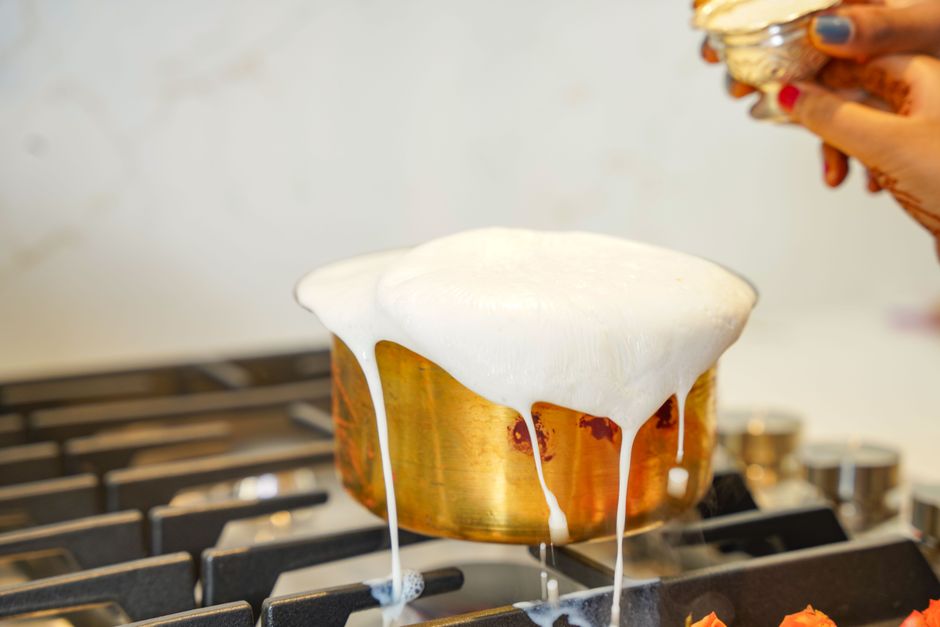
Browning butter is a quick process, but it requires your full attention as the butter can transition from perfectly browned to burnt in a matter of seconds. Start by cutting your unsalted butter into even-sized cubes so that it melts uniformly. Place the butter in a light-colored saucepan over medium heat, which allows you to monitor the color change easily.
As the butter melts, it will begin to foam and crackle as the water content boils away. Swirl the pan occasionally to ensure even heating. After a few minutes, the crackling sound will subside, and a foam will rise to the top again. You will notice a warm, nutty aroma, and brown specks will begin to form at the bottom of the pan.
As soon as the milk solids turn a rich, golden-brown color, immediately remove the pan from the heat. Transfer the browned butter, including all the toasted specks, into a heatproof bowl to stop the cooking process. Let it cool for about 10 minutes before using it in your batter so it does not scramble the eggs.
Brown Butter Banana Bread
Ingredients
- 1/2 cup (113g) unsalted butter, cubed
- 1 cup (200g) dark brown sugar, packed
- 2 large eggs, room temperature
- 1 teaspoon pure vanilla extract
- 1 1/2 cups (340g) mashed overripe bananas (about 3-4 medium bananas)
- 1 1/2 cups (190g) all-purpose flour
- 1 teaspoon baking soda
- 1/2 teaspoon fine sea salt
- 1/2 teaspoon ground cinnamon
- 2 tablespoons whole milk or sour cream
Instructions
- Preheat your oven to 350°F (175°C). Grease a 9×5-inch loaf pan and line it with parchment paper, leaving an overhang on the sides for easy removal.
- Brown the butter in a medium saucepan over medium heat, swirling occasionally. Once it turns golden brown and smells nutty, pour it into a large mixing bowl and let it cool for 10 minutes.
- Whisk the dark brown sugar into the cooled brown butter until well combined and no lumps remain.
- Add the eggs one at a time, whisking vigorously after each addition, then stir in the vanilla extract, milk (or sour cream), and mashed bananas.
- In a separate bowl, whisk together the all-purpose flour, baking soda, sea salt, and ground cinnamon.
- Gently fold the dry ingredients into the wet ingredients using a rubber spatula just until combined. Do not overmix, as this will develop gluten and make the bread dense.
- Spread the batter evenly into the prepared loaf pan and smooth the top.
- Bake for 50 to 60 minutes, or until a toothpick inserted into the center of the loaf comes out clean or with just a few moist crumbs.
- Allow the bread to cool in the pan for 10 minutes, then transfer it to a wire rack to cool completely before slicing.
Tips & Variations
For a delightful crunch, fold in 1/2 cup of toasted chopped walnuts or pecans. If you love chocolate, add 1/2 cup of semi-sweet chocolate chips to the batter. Ensure your eggs are at room temperature so they incorporate smoothly into the batter without seizing the butter.
Storage
Store leftovers in an airtight container at room temperature for up to 3 days, or in the refrigerator for up to a week. To freeze, wrap slices individually in plastic wrap and store them in a freezer-safe bag for up to 3 months.
Nutrition (per serving)
Calories: 320 | Total Fat: 12g | Saturated Fat: 7g | Cholesterol: 75mg | Sodium: 280mg | Total Carbohydrates: 50g | Dietary Fiber: 2g | Sugars: 28g | Protein: 4g
Customizations and Variations
One of the best things about this versatile bake is how easily it adapts to different flavor profiles and dietary needs. If you love warm spices, you can easily adapt this into a banana nut bread recipe with cinnamon by folding in toasted pecans and a generous spoonful of spice. The combination of toasted nuts and brown butter creates an incredibly rich, autumnal flavor.
For a gluten-free option, you can substitute the all-purpose flour with a high-quality 1:1 gluten-free baking flour blend that contains xanthan gum. The structure will remain soft, and the brown butter will help keep the gluten-free crumb moist. If you want to make it refined-sugar-free, you can use coconut sugar in place of the brown sugar, though the texture may be slightly lighter.
For chocolate lovers, adding a mix of dark chocolate chunks and a pinch of flaky sea salt on top before baking creates a beautiful contrast. The bitterness of the dark chocolate cuts through the sweetness of the bananas, while the sea salt enhances the nutty notes of the brown butter. Experiment with different mix-ins to find your family’s favorite combination.
Troubleshooting & Baker’s Tips
If you are looking for a quick shortcut on busy mornings, you might want to try a banana bread recipe bisquick version, but when you have a little extra time, browning your butter is absolutely worth the effort. Taking the time to build flavors from scratch always yields a superior result. However, quick breads can sometimes be tricky if the oven temperature or mixing techniques are slightly off.
If your banana bread is browning too quickly on top but remains raw in the center, tent a piece of aluminum foil loosely over the loaf pan during the last 15-20 minutes of baking. This protects the top crust from burning while allowing the heat to penetrate the dense center of the loaf. Always test the center with a long wooden skewer to ensure it is fully baked.
Another common mistake is overmixing the batter once the flour is added. Overworking the flour develops gluten, which leads to a tough, rubbery texture rather than a tender, cake-like crumb. Use a gentle folding motion with a spatula and stop mixing as soon as you see no more dry flour streaks in the bowl.
Frequently Asked Questions
Can I use salted butter for this recipe?
Yes, you can use salted butter if that is what you have on hand. However, you will need to reduce the added salt in the recipe to 1/4 teaspoon to prevent the bread from becoming too salty. Keep a close eye on salted butter as it browns, as it tends to foam more than unsalted butter, making it slightly harder to see the color change.
Why did my banana bread sink in the middle?
A sunken center usually indicates that the bread was underbaked or that too much leavening agent was used. If the bread is removed from the oven before the center structure is fully set, it will collapse as it cools. Always use fresh baking soda and verify your oven temperature with an external oven thermometer.
Can I make this recipe into muffins?
Absolutely! This batter makes fantastic muffins. Line a standard 12-cup muffin tin with paper liners and fill each cup about three-quarters full. Bake at 375°F (190°C) for 18 to 22 minutes, or until a toothpick inserted into the center of a muffin comes out clean.
How do I ripen bananas quickly?
If you have yellow bananas that you want to use immediately, place them unpeeled on a baking sheet lined with parchment paper. Bake them at 300°F (150°C) for 15 to 20 minutes until the skins turn completely black and shiny. Let them cool completely before peeling and mashing them for your batter.
Can I freeze brown butter banana bread?
Yes, this bread freezes beautifully. Wrap the cooled loaf tightly in plastic wrap, followed by a layer of aluminum foil, and freeze for up to 3 months. Alternatively, you can freeze individual slices so you can thaw and toast single portions whenever a craving strikes.
Conclusion
Mastering the art of this brown butter banana bread recipe is a simple way to elevate your home baking game. The nutty, caramelized notes of the toasted butter elevate the humble banana into a dessert-worthy loaf that is perfect for any occasion. It is a recipe that rewards patience and attention to detail with unmatched flavor and texture.
Whether you enjoy it warm with a smear of salted butter, toasted next to your morning coffee, or packed into a lunchbox, this loaf is sure to become a household favorite. The next time you see overripe bananas on your counter, skip the standard recipe and reach for the saucepan to brown some butter. Happy baking!
