There is nothing quite like the aroma of freshly baked banana bread wafting through the kitchen on a cozy weekend morning. The sweet, caramelized scent of ripe bananas mixed with warm spices has a unique way of making any house feel instantly like home. For years, I searched for a plant-based alternative that could match the rich, comforting texture of the classic loaf I grew up eating.
Many plant-based baking recipes fall short, resulting in loaves that are either too dense, gummy in the middle, or crumbly. After countless trial runs and messy kitchen counters, I have finally perfected the ultimate method. This version yields a beautifully golden crust, a tender crumb, and a deep banana flavor that will satisfy vegans and non-vegans alike.
Whether you are a seasoned vegan baker or simply trying to use up those overripe bananas sitting on your counter, this recipe is for you. It requires simple pantry staples and comes together in just one bowl, saving you time on clean-up. Let us dive into the secrets of creating a masterpiece that will quickly become a staple in your baking rotation.
What Makes This the Best Vegan Banana Bread Recipe?
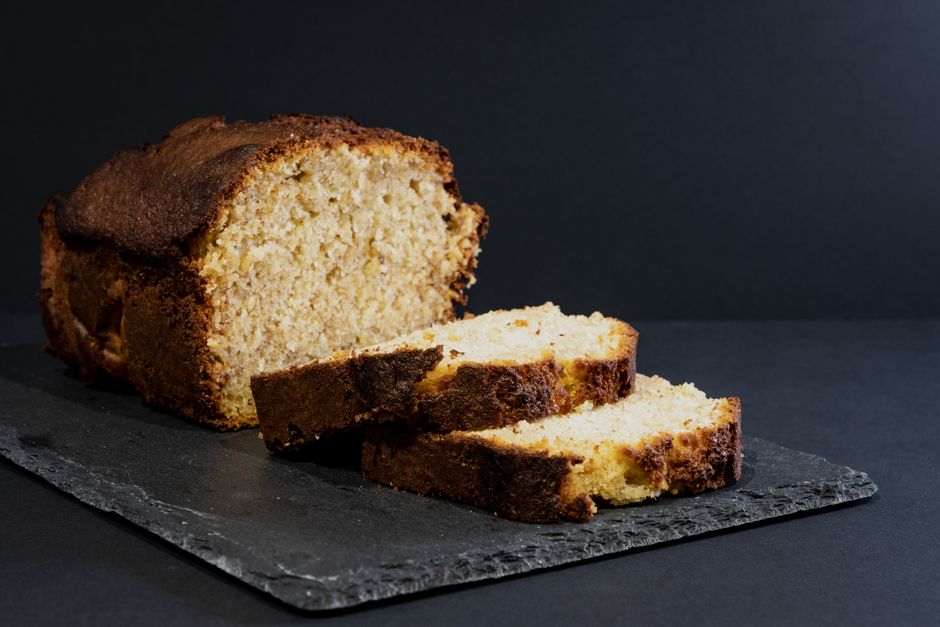
The secret to this recipe lies in the balance of moisture, fat, and leavening agents. Traditional baking relies heavily on eggs for structure and moisture, but plant-based ingredients can easily replicate these properties when combined correctly. In this recipe, the mashed bananas themselves act as a natural binder, eliminating the need for complex egg replacers.
To achieve the perfect crumb, we use a combination of pure vanilla extract, high-quality oil, and a touch of plant milk. This ensures that the loaf remains incredibly moist for days without becoming heavy or wet. Additionally, a splash of apple cider vinegar reacts with the baking soda to create a light, fluffy rise that mimics traditional eggs.
We also pay close attention to the sweeteners used in this batter. While white sugar adds sweetness, brown sugar brings a deep, molasses-like undertone that complements the bananas beautifully. If you want to explore how different sugars impact texture, you might want to look at a classic banana bread recipe brown sugar variation to see how it compares to using alternative sweeteners.
The Science of Vegan Baking: Replacing Eggs and Dairy
Baking is a science, and understanding how ingredients interact is key to mastering plant-based recipes. Eggs typically provide structure, lift, and moisture to baked goods. In our plant-based kitchen, we rely on the natural starches in ripe bananas to bind the dry ingredients together successfully.
For moisture and richness, traditional recipes often call for butter, sour cream, or yogurt. While some traditional bakers swear by a banana bread with mayonnaise recipe to keep their loaves soft, we achieve the same decadent texture using neutral vegetable oil or melted coconut oil. The oil wraps around the flour molecules, preventing gluten from over-developing and keeping the bread tender.
If you love the tangy richness that dairy brings to baked goods, you can also experiment with plant-based yogurts. Many bakers draw inspiration from a banana bread recipe greek yogurt style by swapping in dairy-free coconut or soy yogurt. This adds a subtle tang and an incredibly plush texture to the finished loaf.
Key Ingredients for Success
To make the best vegan banana bread recipe, you will need a few simple ingredients that you likely already have in your pantry. First and foremost, you need extremely ripe bananas. The skin should be covered in brown spots, as this is when the starches have converted to sugar, providing maximum sweetness and moisture.
Next, you will need all-purpose flour, which provides the ideal structure for a sturdy yet soft loaf. You can also use a one-to-one gluten-free baking flour blend if you have dietary restrictions. For the fat, a neutral oil like canola, avocado, or melted coconut oil works best to keep the flavor profile clean and focused on the fruit.
Finally, we add spices to elevate the overall flavor profile. A generous pinch of cinnamon and a touch of nutmeg add warmth and depth to every bite. If you love spiced baked goods, you might enjoy comparing these flavors to a traditional banana nut bread recipe with cinnamon to see how spices can completely transform your baking.
The Ultimate Vegan Banana Bread
Ingredients
- 3 medium extra-ripe bananas, thoroughly mashed (about 1.25 cups)
- 1/3 cup neutral vegetable oil (or melted coconut oil)
- 1/2 cup organic brown sugar, packed
- 1/4 cup organic cane sugar
- 1 teaspoon pure vanilla extract
- 1 tablespoon apple cider vinegar
- 2 cups all-purpose flour
- 1 teaspoon baking soda
- 1/2 teaspoon salt
- 1 teaspoon ground cinnamon
- 1/4 cup almond milk (or any plant milk)
- 1/2 cup vegan chocolate chips or chopped walnuts (optional)
Instructions
- Preheat your oven to 350°F (175°C) and lightly grease an 8.5 x 4.5-inch loaf pan, or line it with parchment paper for easy removal.
- In a large mixing bowl, mash the ripe bananas with a fork or potato masher until mostly smooth with only small chunks remaining.
- Whisk in the oil, brown sugar, cane sugar, vanilla extract, apple cider vinegar, and plant milk until the mixture is well combined.
- Add the flour, baking soda, salt, and ground cinnamon directly into the wet mixture, then fold gently with a spatula just until combined. Do not overmix.
- If using, gently fold in the vegan chocolate chips or chopped walnuts until evenly distributed throughout the batter.
- Pour the batter into your prepared loaf pan and smooth the top with a spatula. You can optionally slice a banana lengthwise and place it on top for decoration.
- Bake for 50 to 55 minutes, or until a toothpick inserted into the center of the loaf comes out clean or with just a few moist crumbs.
- Remove the pan from the oven and let it cool on a wire rack for 10 minutes before transferring the loaf out of the pan to cool completely.
Tips & Variations
For a gluten-free option, use a high-quality 1:1 gluten-free baking flour. If you prefer a healthier twist, replace half of the sugar with pure maple syrup and use unsweetened applesauce instead of oil. You can also add a swirl of peanut butter or almond butter into the batter before baking for a rich, nutty flavor profile.
Storage
Store any leftover banana bread in an airtight container at room temperature for up to 3 days, or in the refrigerator for up to a week. To freeze, slice the cooled loaf, wrap individual slices in plastic wrap, and store them in a freezer-safe bag for up to 3 months. Reheat in a toaster oven for a fresh-baked taste.
Nutrition (per serving)
Calories: 280 kcal | Carbohydrates: 48g | Protein: 4g | Fat: 9g | Saturated Fat: 1.5g | Sodium: 210mg | Fiber: 2.5g | Sugar: 22g
Step-by-Step Guide: How to Make It Perfectly Every Time
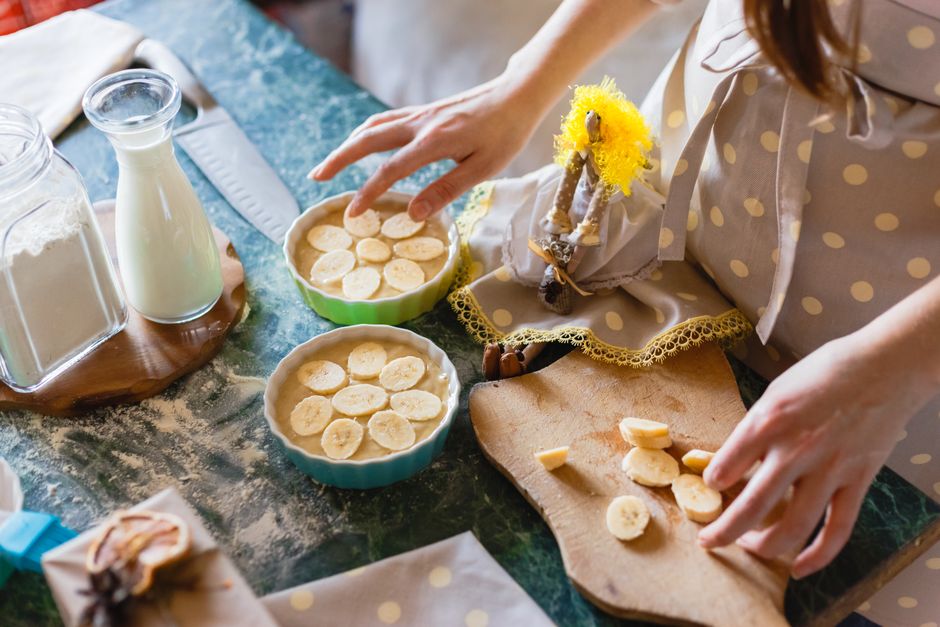
While this recipe is straightforward, paying attention to a few key details will guarantee success every time you bake. The first crucial step is measuring your flour correctly. Instead of scooping the measuring cup directly into the flour bin, fluff your flour with a spoon, scoop it into the cup, and level it off with a knife to prevent using too much flour.
When mashing your bananas, aim for a consistency that is mostly liquid with a few small chunks. This ensures that the moisture is evenly distributed throughout the batter while still providing delightful pockets of banana flavor in the finished bread. A potato masher or a sturdy fork works perfectly for this step.
Finally, avoid the temptation to overmix the batter once you combine the wet and dry ingredients. Overmixing activates the gluten in the flour, which can lead to a tough, dense, or rubbery texture. Stir gently with a spatula just until you no longer see streaks of dry flour, then stop.
Customizing Your Vegan Banana Bread
One of the best things about this recipe is how adaptable it is to your personal taste preferences. If you are a fan of classic combinations, adding chopped pecans or walnuts provides a wonderful texture contrast to the soft crumb. You can also fold in a handful of vegan chocolate chips for a sweet, decadent dessert loaf.
For those who love warm spices, feel free to increase the amount of cinnamon or add a pinch of ground ginger, cloves, or cardamom. This spice blend pairs beautifully with the natural sweetness of the bananas. It creates a complex flavor profile that will keep everyone coming back for a second slice.
If you are looking for a quick shortcut on busy mornings, you can even adapt this recipe using commercial baking mixes. While it is different from a scratch-made loaf, learning how to modify a banana bread recipe bisquick style can save you time when you need a quick baking fix.
How to Serve and Enjoy Your Loaf
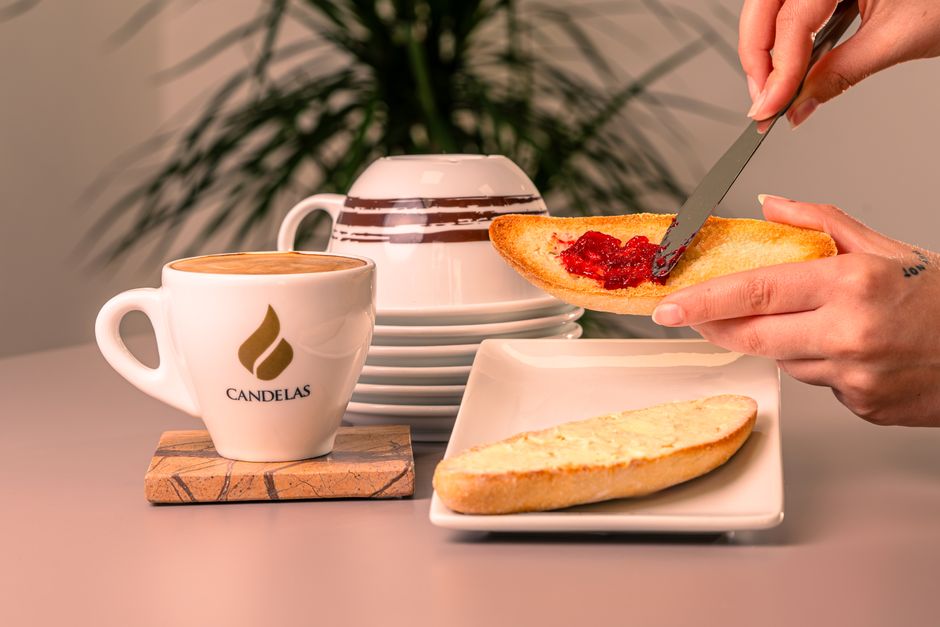
While this banana bread is absolutely delicious plain and warm straight from the oven, there are plenty of ways to elevate your serving style. Spreading a thick layer of vegan butter or coconut oil over a warm slice allows it to melt into the crumb, adding a savory richness that balances the sweetness.
For an indulgent breakfast, try spreading a tablespoon of almond butter, peanut butter, or hazelnut spread over your slice. This adds a boost of protein and healthy fats, making it a satisfying meal that will keep you energized throughout the morning. You can also top it with sliced fresh bananas and a sprinkle of chia seeds.
If you have leftovers that are starting to dry out after a few days, do not let them go to waste. You can use slices of this banana bread to make the ultimate vegan French toast. Simply dip the slices in a mixture of plant milk, a splash of maple syrup, and a pinch of cinnamon, then pan-fry until golden brown.
Common Mistakes to Avoid
Even the most experienced bakers run into trouble from time to time, but most banana bread issues are easy to avoid. One common mistake is using bananas that are not ripe enough. Yellow bananas with green tips lack the sugar content and moisture required for this recipe, resulting in a bland and dry loaf.
Another frequent issue is underbaking the bread, which leads to a gummy, wet center. Because banana bread is dense and moist, it requires a relatively long baking time. Always test the center of the loaf with a toothpick or skewer before removing it from the oven to ensure it is fully cooked through.
Lastly, make sure your baking soda is fresh. Leavening agents lose their potency over time, and using expired baking soda will result in a flat, heavy loaf that does not rise properly. You can test your baking soda by dropping a pinch into a small amount of vinegar; if it fizzes vigorously, it is ready to use.
Frequently Asked Questions
Can I make this recipe oil-free?
Yes, you can substitute the oil with an equal amount of unsweetened applesauce or mashed pumpkin puree. Keep in mind that the texture will be slightly denser and less rich, but it will still be incredibly moist and delicious.
How do I know when my bananas are ripe enough?
Your bananas should be yellow with lots of brown or black spots, and they should feel soft to the touch. The darker the bananas, the sweeter and more flavorful your bread will be. Do not use green or firm yellow bananas.
Can I use gluten-free flour?
Absolutely! A high-quality 1:1 gluten-free baking flour blend that contains xanthan gum will work perfectly in this recipe. Avoid using single-grain flours like almond or coconut flour on their own, as they will alter the structure of the bread.
Why did my banana bread sink in the middle?
This usually happens if there is too much moisture in the batter, if the oven door was opened too early during baking, or if the leavening agent was expired. Make sure to measure your ingredients accurately and keep the oven door closed for the first 40 minutes of baking.
Can I turn this recipe into muffins?
Yes, this batter makes excellent muffins! Simply grease a muffin tin or line it with paper liners, fill each cup about three-quarters full, and bake at 350°F (175°C) for 18 to 22 minutes, or until a toothpick comes out clean.
Conclusion
Baking the perfect loaf of plant-based banana bread does not require complicated techniques or hard-to-find ingredients. By using simple pantry staples and extra-ripe bananas, you can create a treat that is wonderfully moist, flavorful, and satisfying. It is the perfect recipe to share with family and friends, regardless of their dietary preferences.
Once you master this basic recipe, feel free to get creative with your favorite add-ins, spices, and toppings. Whether you enjoy it plain, toasted with vegan butter, or loaded with chocolate chips, this loaf is sure to become a favorite in your household. Happy baking!
