There is nothing quite like the comforting aroma of freshly baked banana bread wafting through the kitchen on a lazy Sunday morning. It is a scent that instantly evokes warmth, cozy blankets, and the simple joy of home baking. Over the years, I have experimented with dozens of variations, trying to find the perfect balance of moisture, sweetness, and structure. My journey eventually led me to swap out traditional butter for coconut oil, and the results were absolutely magical.
Using coconut oil in baking is a game-changer, especially when it comes to quick breads. It creates a crumb that is incredibly tender and keeps the loaf moist for days without feeling overly heavy. In this guide, I will share my favorite banana bread recipe with coconut oil, along with tips and tricks to help you achieve baking perfection every single time.
Whether you are a seasoned baker or a beginner looking to use up those overripe bananas on your counter, this recipe is designed for you. Grab your mixing bowls, preheat your oven, and let us dive into the wonderful world of wholesome, delicious baking.
Why Coconut Oil Makes the Best Banana Bread
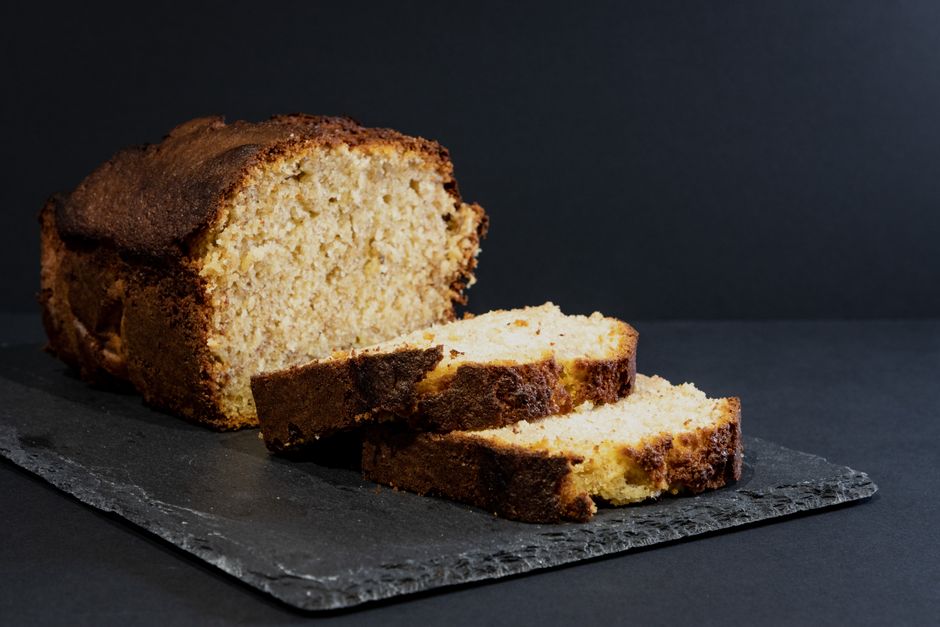
Many traditional recipes call for butter or vegetable oil to provide moisture and fat. However, this banana bread recipe with coconut oil offers a unique texture and subtle flavor profile that sets it apart. Coconut oil is rich in medium-chain fatty acids, which help lock in moisture during the baking process better than liquid vegetable oils.
When you use coconut oil, you also get a very subtle, natural sweetness that complements the tropical flavor of the bananas. If you prefer no coconut flavor at all, you can easily use refined coconut oil, which has a neutral taste. For those who enjoy a hint of tropical aroma, virgin or unrefined coconut oil is the perfect choice.
Additionally, coconut oil reacts beautifully with the natural sugars in the bananas, helping the loaf develop a gorgeous, caramelized golden brown crust. If you are looking for other unique fat sources to compare, you might also want to check out this interesting banana bread with mayonnaise recipe for another incredibly moist alternative.
The Science of Moist Quick Breads
Baking is a science, and understanding how ingredients interact can help you become a more confident baker. In quick breads, the balance between wet and dry ingredients determines the final texture of the loaf. Bananas provide structure, sweetness, and moisture, but they need the help of a solid fat like coconut oil to keep the crumb tender.
Gluten forms when flour mixes with liquid, and too much gluten can make your bread tough and chewy. Fat coats the flour proteins, preventing them from forming long gluten strands, which results in a soft, cake-like texture. This is why choosing the right fat, such as coconut oil, is so crucial for achieving that melt-in-your-mouth quality.
If you love experimenting with different moistening agents, you can also explore a banana bread recipe greek yogurt to see how dairy acids affect the crumb. However, for a dairy-free option that remains exceptionally soft, coconut oil remains the gold standard.
Banana Bread Recipe with Coconut Oil
Ingredients
- 3 large overripe bananas, mashed (about 1.5 cups)
- 1/2 cup coconut oil, melted and cooled slightly
- 1/2 cup packed light brown sugar
- 1/4 cup granulated white sugar
- 2 large eggs, at room temperature
- 1 teaspoon pure vanilla extract
- 1 3/4 cups all-purpose flour
- 1 teaspoon baking soda
- 1/2 teaspoon salt
- 1/2 teaspoon ground cinnamon
- 1/2 cup chopped walnuts or chocolate chips (optional)
Instructions
- Preheat your oven to 350°F (175°C) and grease a 9×5-inch loaf pan with a small amount of coconut oil, or line it with parchment paper.
- In a large mixing bowl, mash the ripe bananas with a fork or potato masher until mostly smooth with a few small chunks remaining.
- Whisk the melted coconut oil, brown sugar, white sugar, eggs, and vanilla extract into the mashed bananas until well combined.
- In a separate medium bowl, whisk together the all-purpose flour, baking soda, salt, and ground cinnamon.
- Gently fold the dry ingredients into the wet ingredients using a spatula just until combined; do not overmix the batter.
- If using, gently fold in the chopped walnuts or chocolate chips at this stage.
- Pour the batter into your prepared loaf pan and smooth the top with a spatula.
- Bake for 50 to 60 minutes, or until a toothpick inserted into the center of the loaf comes out clean or with just a few moist crumbs.
- Remove the pan from the oven and let the bread cool in the pan for 10 minutes before transferring it to a wire rack to cool completely.
Tips & Variations
For a richer molasses flavor, you can adapt this into a banana bread recipe brown sugar specialty by replacing the white sugar entirely with dark brown sugar. If you prefer a spiced nut version, try incorporating elements from this banana nut bread recipe with cinnamon. To save time on busy mornings, you can even adapt these wet ingredients to work with a banana bread recipe bisquick base.
Storage
Store cooled banana bread in an airtight container at room temperature for up to 3 days, or in the refrigerator for up to a week. You can also freeze individual slices wrapped in plastic wrap and foil for up to 3 months.
Nutrition (per serving)
Calories: 280 kcal | Carbohydrates: 38g | Protein: 4g | Fat: 14g | Saturated Fat: 11g | Sodium: 210mg | Fiber: 2g
Step-by-Step Guide to Baking Success
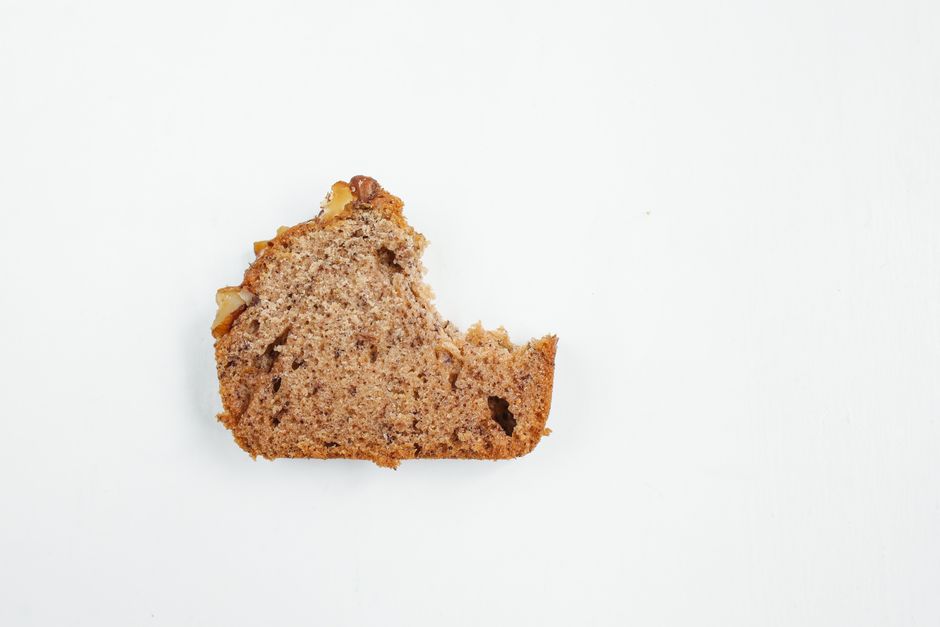
Now that you have the recipe, let us walk through the steps together to ensure your loaf turns out absolutely perfect. The first step is selecting the right bananas. You want bananas that are heavily speckled with brown spots, or even completely black, as they contain the highest concentration of sugar and moisture.
When melting your coconut oil, make sure it cools down slightly before adding it to the eggs. If the oil is too hot, it can cook the eggs, resulting in unwanted scrambled bits in your batter. Whisking the sugars directly into the oil and banana mixture helps dissolve the sugar crystals, creating a smoother texture.
When combining the dry and wet ingredients, the golden rule of quick breads is to avoid overmixing. Overmixing activates the gluten in the flour, which will make your banana bread dense and rubbery instead of light and fluffy. Stir just until you no longer see streaks of dry flour.
Customizing Your Banana Bread
One of the best things about this banana bread recipe with coconut oil is how customizable it is. You can easily adapt the base recipe to suit your personal dietary needs or flavor preferences. For instance, if you want a gluten-free version, you can substitute the all-purpose flour with a 1:1 gluten-free baking blend.
If you want to make this recipe vegan, simply replace the two eggs with two flax eggs (2 tablespoons of ground flaxseed mixed with 6 tablespoons of water, left to sit for 5 minutes). The coconut oil already provides a rich, dairy-free fat base, making it incredibly easy to adapt to a plant-based diet.
For those who love extra texture, feel free to fold in a half-cup of shredded coconut flakes, dark chocolate chunks, or dried cranberries. The subtle coconut flavor from the oil pairs beautifully with tropical add-ins like macadamia nuts or dried pineapple chunks as well.
Frequently Asked Questions
Can I use solid coconut oil instead of melted?
No, it is best to use melted coconut oil for this recipe. Melted oil incorporates smoothly into the batter, ensuring an even distribution of moisture throughout the loaf. Simply microwave it in short intervals until it liquefies.
Why did my banana bread sink in the middle?
A sunken middle usually happens if the bread is underbaked or if too much leavening agent was used. Make sure your baking soda is fresh, and always test the center of the loaf with a toothpick before removing it from the oven.
Can I make muffins with this batter?
Absolutely! Line a muffin tin with paper liners and fill each cup about three-quarters full. Bake at 350°F (175°C) for 18 to 22 minutes, or until a toothpick inserted in the center comes out clean.
How do I keep my banana bread moist?
Storing the bread in an airtight container is key. The coconut oil in this recipe naturally keeps the bread moist, but wrapping it tightly in plastic wrap before placing it in a container will lock in that moisture even longer.
Final Thoughts on Baking with Coconut Oil
Baking a delicious loaf of banana bread does not require complicated techniques or hard-to-find ingredients. By using coconut oil, you elevate a classic comfort food into a modern, moisture-rich treat that your whole family will love. The subtle aroma and incredible texture make this recipe a keeper for years to come.
Next time you see a bundle of overripe bananas on your kitchen counter, resist the urge to throw them away. Instead, whip up this simple banana bread recipe with coconut oil and enjoy the cozy warmth of home baking. Happy baking!
