There is nothing quite like the warm, comforting aroma of freshly baked banana bread wafting through the kitchen on a lazy Sunday morning. For many of us, that sweet scent brings back fond memories of childhood, family gatherings, and cozy afternoons. However, if you or someone you love follows a gluten-free lifestyle, you might have worried that those delicious memories were a thing of the past.
Fortunately, you do not have to sacrifice texture or flavor to enjoy a classic slice of quick bread. This ultimate banana bread gf recipe is designed to deliver a tender, moist crumb, a beautifully caramelized crust, and a rich, sweet banana flavor. Whether you are baking for someone with celiac disease or simply exploring gluten-free alternatives, this recipe will quickly become a staple in your kitchen.
In this comprehensive guide, we will walk you through the science of gluten-free baking, discuss the key ingredients that guarantee success, and share step-by-step instructions. We will also cover clever variations, troubleshooting tips, and storage methods to ensure your loaf stays fresh and delicious for days. Get ready to bake the best gluten-free banana bread you have ever tasted!
Why You Will Love This Gluten-Free Banana Bread
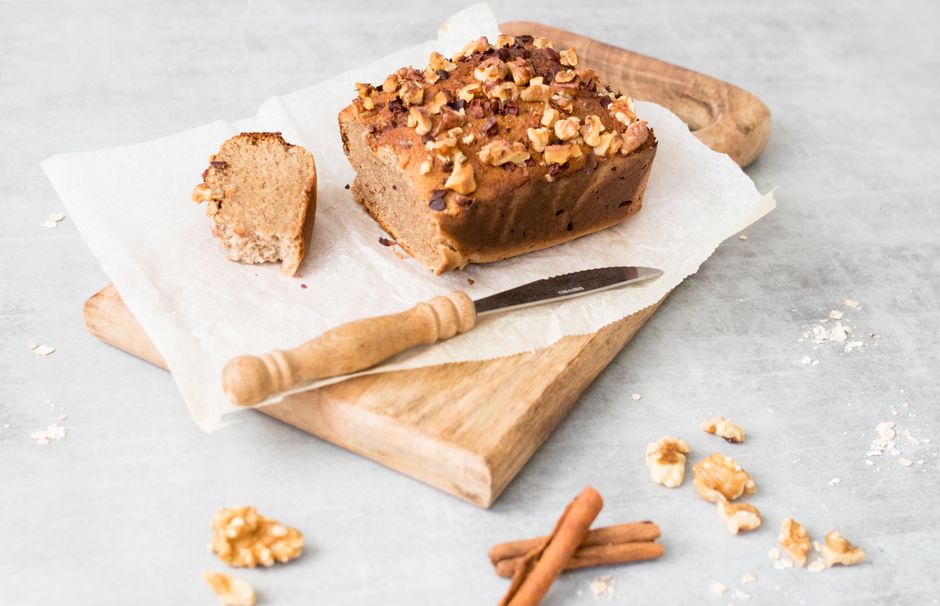
Many gluten-free baked goods suffer from being dry, crumbly, or dense, but this recipe breaks all of those stereotypes. By balancing the moisture of overripe bananas with the right blend of gluten-free flour, we achieve a texture that is light, fluffy, and incredibly tender. Your friends and family will have no idea that this loaf is completely gluten-free.
Another reason to love this recipe is its simplicity and versatility. You do not need any fancy baking equipment or hard-to-find ingredients to make it happen. Just a couple of mixing bowls, a sturdy fork for mashing, and a standard loaf pan are all it takes to create baking magic. It is the perfect project for beginner bakers and seasoned pros alike.
Finally, this bread is highly customizable, allowing you to tailor it to your specific dietary needs and taste preferences. You can easily fold in chocolate chips, toasted nuts, or warm spices to make the recipe your own. It serves as an excellent canvas for all of your favorite quick bread variations.
The Science of Gluten-Free Baking
Gluten is a protein found in wheat, barley, and rye that provides structure, elasticity, and chewiness to baked goods. When you remove gluten, you have to find alternative ways to bind the ingredients together and retain moisture. Understanding a few basic scientific principles can help you achieve the perfect bake every single time.
The secret to a successful banana bread gf recipe lies in the type of flour blend you choose. A high-quality 1-to-1 gluten-free baking flour that contains xanthan gum is essential. Xanthan gum acts as a binder, replacing the structural support that gluten normally provides so your bread does not crumble into pieces.
Additionally, gluten-free flours tend to absorb more liquid than traditional wheat flour. To prevent a dry loaf, it is crucial to balance your dry ingredients with plenty of hydrating elements. Overripe bananas, eggs, and fats like butter or oil work together to keep the crumb beautifully moist and soft.
If you have ever experimented with a convenient banana bread recipe bisquick, you know how helpful pre-formulated mixes can be. In this recipe, we mimic that ease by using a carefully balanced gluten-free flour blend that does all the heavy lifting for you.
Key Ingredients for the Ultimate GF Banana Bread
To create the best possible loaf, it is important to select your ingredients with care. The star of the show, of course, is the bananas themselves. You want to use bananas that are heavily speckled with black spots, or even completely brown, as they contain the highest sugar content and the strongest banana flavor.
For the flour, look for a reputable brand of gluten-free measure-for-measure baking flour. These blends usually contain a mix of rice flour, potato starch, tapioca flour, and xanthan gum. Using a pre-made blend ensures consistent results without the need to buy multiple individual flours.
The choice of sweetener also plays a major role in both flavor and texture. While white sugar provides sweetness, brown sugar adds moisture and a rich, molasses-like depth of flavor. If you want to explore more options, you can read about a classic banana bread recipe brown sugar variation to see how different sugars affect the final bake.
Finally, the fat component is critical for a tender crumb. You can use melted butter for a rich, classic flavor, or coconut oil for a dairy-free option. Some bakers even swear by unconventional fats, such as a unique banana bread with mayonnaise recipe, which uses mayonnaise to create an exceptionally moist and soft texture.
Tips for the Perfect Rise and Crumb
One of the best tips for gluten-free baking is to let your batter rest before putting it in the oven. Letting the batter sit in the pan for about 10 to 15 minutes allows the gluten-free flour to fully absorb the liquids. This simple step helps eliminate any gritty texture and leads to a much smoother, more cohesive crumb.
Another important factor is how you measure your flour. Always use the “spoon and level” method rather than scooping the flour directly out of the bag with your measuring cup. Scooping packs the flour down, which can result in adding too much dry ingredient and making your bread dense.
If you find that your gluten-free baked goods still turn out a bit dry, you can add a moisture booster to the batter. Incorporating a spoonful of sour cream or Greek yogurt can make a world of difference. For inspiration on how to do this, check out a banana bread recipe greek yogurt style to learn about the science of dairy-based moisture enhancers.
Gluten-Free Banana Bread
Ingredients
- 3 medium overripe bananas, thoroughly mashed (about 1 & 1/2 cups)
- 2 cups 1-to-1 gluten-free baking flour (containing xanthan gum)
- 1 teaspoon baking soda
- 1/2 teaspoon salt
- 1/2 teaspoon ground cinnamon
- 1/2 cup unsalted butter, melted and cooled slightly (or melted coconut oil)
- 3/4 cup packed light brown sugar
- 2 large eggs, room temperature
- 1 teaspoon pure vanilla extract
- 2 tablespoons milk (any milk of your choice)
- Optional: 1/2 cup chopped walnuts, pecans, or chocolate chips
Instructions
- Preheat your oven to 350°F (177°C). Grease an 8.5 x 4.5-inch loaf pan with cooking spray or butter, and line the bottom with parchment paper for easy removal.
- In a medium mixing bowl, whisk together the gluten-free flour, baking soda, salt, and ground cinnamon. Set this dry mixture aside.
- In a large mixing bowl, mash the ripe bananas with a fork or potato masher until they are smooth with only a few small chunks remaining.
- Whisk the melted butter, light brown sugar, eggs, vanilla extract, and milk into the mashed bananas until the mixture is fully combined and smooth.
- Gently pour the dry ingredients into the wet banana mixture. Use a rubber spatula to fold the ingredients together just until no dry flour pockets remain. Do not overmix.
- If you are adding nuts or chocolate chips, gently fold them into the batter now.
- Pour the batter into your prepared loaf pan and smooth the top with your spatula. Let the batter rest in the pan for 10 to 15 minutes before baking.
- Bake for 50 to 60 minutes, or until a toothpick inserted into the center of the loaf comes out clean or with just a few moist crumbs attached.
- Remove the pan from the oven and place it on a wire cooling rack. Allow the bread to cool in the pan for 10 minutes, then carefully lift it out using the parchment paper and let it cool completely on the rack before slicing.
Tips & Variations
Rest the Batter: Do not skip the resting step! It is the secret to removing the gritty texture common in gluten-free baking.
Add-ins: Feel free to swap the walnuts for dark chocolate chips, dried cranberries, or shredded coconut to customize your loaf.
Storage
Store leftover banana bread in an airtight container at room temperature for up to 3 days. For longer storage, wrap individual slices tightly in plastic wrap and freeze them in a zip-top bag for up to 3 months.
Nutrition (per serving)
Calories: 260 kcal | Carbohydrates: 42g | Protein: 4g | Fat: 10g | Saturated Fat: 6g | Sodium: 280mg | Fiber: 2g | Sugar: 20g
Customizing Your Gluten-Free Loaf
One of the best things about baking at home is the ability to customize recipes to suit your mood. If you love a bit of texture and warmth in your morning slice, you can easily transform this recipe into a spiced nut loaf. Try incorporating elements from a delicious banana nut bread recipe with cinnamon to add extra crunch and aromatic spice to your kitchen.
For a dairy-free version of this banana bread gf recipe, simply swap the melted butter for melted coconut oil or a neutral vegetable oil. You can also use almond milk, oat milk, or coconut milk in place of the dairy milk. The result will be just as moist, tender, and flavorful as the original version.
If you want to make a vegan version, you can replace the two eggs with flax eggs. To make a flax egg, mix one tablespoon of ground flaxseed with three tablespoons of water and let it sit for five minutes until it gel-like. This substitution works beautifully with the moisture of the bananas to bind the bread together.
Troubleshooting Common Gluten-Free Baking Issues
Gluten-free baking can sometimes be unpredictable, but most issues are easy to solve once you know what to look for. If your banana bread sinks in the middle, it might be due to excess moisture or underbaking. Make sure you measure your bananas accurately, and always test the center of the loaf with a toothpick before taking it out of the oven.
If your bread turns out too crumbly, it usually means there was not enough binder in the flour blend. Double-check that your gluten-free flour contains xanthan gum. If it does not, you will need to purchase xanthan gum separately and add 1/2 teaspoon to the dry ingredients for this recipe.
Lastly, if the top of your bread is browning too quickly while the inside is still raw, tent the loaf pan loosely with aluminum foil. This allows the center of the bread to continue cooking thoroughly without burning the beautiful caramelized crust on top.
Frequently Asked Questions (FAQs)
Can I freeze gluten-free banana bread?
Yes, gluten-free banana bread freezes beautifully. Allow the loaf to cool completely, then slice it into individual portions. Wrap each slice tightly in plastic wrap, place them in a freezer-safe bag, and freeze for up to three months. Pop a slice in the toaster or microwave for a quick, warm breakfast.
What is the best gluten-free flour for this recipe?
We recommend using a high-quality 1-to-1 or measure-for-measure gluten-free baking flour blend. Brands like Bob’s Red Mill (in the blue bag) and King Arthur Flour work exceptionally well. Make sure the blend you choose already contains xanthan gum for the best structural results.
Why is my gluten-free banana bread gummy in the middle?
A gummy texture usually happens when the bread is underbaked or sliced before it has had time to cool. Gluten-free baked goods continue to set and firm up as they cool down on the counter. Always wait until the loaf is completely cool before slicing into it.
Can I make this recipe sugar-free?
Yes, you can substitute the brown sugar with a sugar-free brown sweetener alternative, such as erythritol or monk fruit sweetener. Keep in mind that alternative sweeteners can sometimes dry out baked goods slightly, so you may need to add an extra tablespoon of mashed banana or milk.
Conclusion
Baking a delicious, bakery-quality loaf of gluten-free banana bread is entirely possible with the right ingredients and techniques. By understanding the science of gluten-free flour and utilizing the natural moisture of ripe bananas, you can create a treat that everyone will love. It is a wonderful way to bring comfort and joy back into your gluten-free kitchen.
We hope this banana bread gf recipe becomes a favorite in your household, filling your home with warmth and delicious aromas. Gather your ingredients, grab those speckled bananas on your counter, and start baking today. Happy baking, and enjoy every single sweet, tender slice!
