There is something incredibly comforting about the aroma of freshly baked bread wafting through a warm kitchen. For generations, Amish bakers have perfected the art of simple, scratch-made comfort food that brings families together. This traditional amish banana bread recipe is a prime example of that time-honored baking heritage, delivering a loaf that is wonderfully moist, sweet, and rich in flavor.
Unlike modern quick breads that sometimes rely on complex ingredients or processed shortcuts, this recipe focuses on wholesome, basic pantry staples. The result is a dense yet tender crumb with a deeply caramelized crust that will make this your go-to recipe for overripe bananas. Whether you enjoy it warm with a smear of salted butter or toasted next to your morning coffee, this bread is pure comfort on a plate.
In this guide, we will walk you through the history of Amish baking, explain the science behind the perfect texture, and provide step-by-step instructions. We will also explore some fun variations and answer common troubleshooting questions to ensure your baking experience is a complete success. Let’s head to the kitchen and start baking this timeless classic.
Why Amish Baking Techniques Make Better Bread
Amish baking is celebrated worldwide for its simplicity, reliance on fresh ingredients, and lack of artificial preservatives. Because traditional Amish kitchens often operate without modern electric mixers, recipes are designed to be mixed easily by hand. This gentle hand-mixing technique actually prevents the overdevelopment of gluten, resulting in a lighter, tender crumb structure.
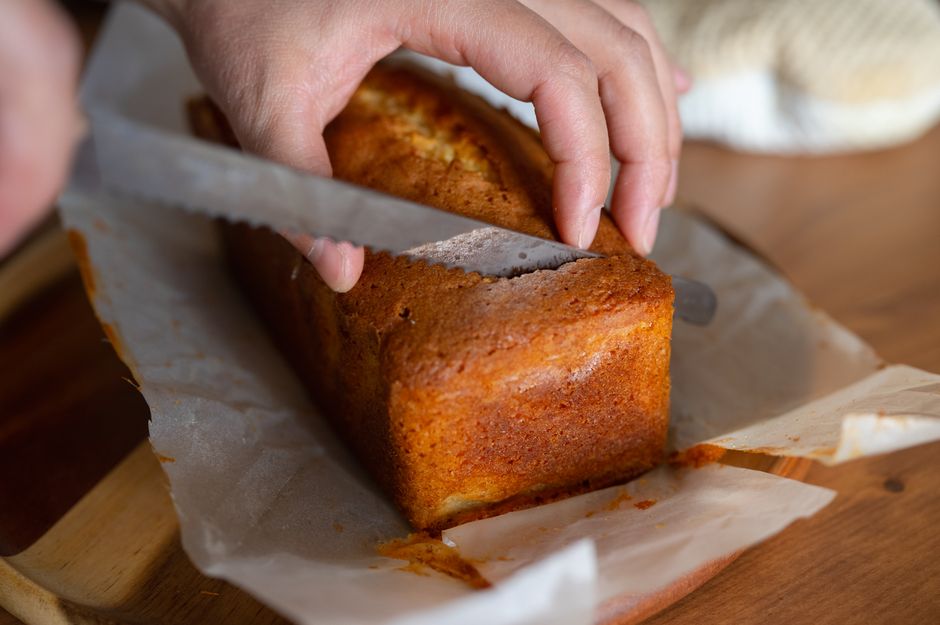
Furthermore, Amish recipes frequently utilize cultured dairy products like buttermilk or sour milk to activate the leavening agents. This acidity not only helps the bread rise beautifully but also breaks down the gluten strands for a melt-in-your-mouth texture. When you make this authentic amish banana bread recipe, you are participating in a culinary tradition that values patience, quality, and simplicity.
Another hallmark of Amish baking is the use of natural fats and sweeteners that enhance the shelf life of the baked goods naturally. By balancing granulated sugar with the natural sugars found in very ripe bananas, the bread stays moist for days without turning soggy. It is a beautiful balance of chemistry and culinary tradition that has stood the test of time.
The Secret to Ultimate Moisture in Quick Breads
The biggest challenge when baking any quick bread is avoiding a dry, crumbly texture that falls apart when sliced. Traditional recipes solve this issue by using a high ratio of fruit mash to flour, combined with the right type of fat. While some modern bakers prefer a banana bread recipe greek yogurt alternative for a tangy moisture, the traditional Amish method relies on simple fats like butter or oil.
Using real butter adds an incomparable richness and a classic dairy flavor that pairs beautifully with sweet bananas. Another popular variation is the rich depth you get from a banana bread recipe brown sugar base, which caramelizes beautifully in the oven. For this recipe, we will use a combination of granulated sugar and highly ripe bananas to achieve the perfect balance of sweetness and moisture.
Additionally, the moisture level is heavily influenced by how you prepare your bananas. Mashing them thoroughly until they are almost liquid releases their natural syrups, which distribute evenly throughout the batter. This ensures that every single bite of your bread is uniformly moist and packed with intense banana flavor.
Traditional Amish Banana Bread
Ingredients
- 3 large very ripe bananas, mashed (about 1.5 cups)
- 1/2 cup (1 stick) unsalted butter, softened to room temperature
- 1 cup granulated sugar
- 2 large eggs, room temperature
- 1 teaspoon pure vanilla extract
- 2 cups all-purpose flour
- 1 teaspoon baking soda
- 1/2 teaspoon salt
- 1/4 cup buttermilk (or whole milk mixed with 1/2 teaspoon lemon juice)
Instructions
- Preheat your oven to 350°F (175°C) and grease a 9×5-inch loaf pan with butter or non-stick cooking spray.
- In a large mixing bowl, cream together the softened butter and granulated sugar until the mixture is light and fluffy.
- Add the eggs one at a time, beating well after each addition, then stir in the vanilla extract and mashed bananas.
- In a separate medium bowl, whisk together the all-purpose flour, baking soda, and salt.
- Alternately add the dry ingredients and the buttermilk to the banana mixture, beginning and ending with the dry ingredients, mixing just until combined.
- Pour the batter into the prepared loaf pan and smooth the top with a spatula.
- Bake for 55 to 65 minutes, or until a toothpick inserted into the center of the loaf comes out clean or with a few moist crumbs.
- Allow the bread to cool in the pan for 10 minutes, then transfer it to a wire rack to cool completely before slicing.
Tips & Variations
For a lovely crunch, fold in 1/2 cup of chopped walnuts or pecans to the batter just before baking. You can also sprinkle a tablespoon of coarse sugar on top of the batter before it goes into the oven to create a crunchy, sweet crust.
Storage
Store any leftovers in an airtight container at room temperature for up to 4 days, or wrap tightly in plastic wrap and freeze for up to 3 months.
Nutrition (per serving)
Calories: 280 | Total Fat: 10g | Saturated Fat: 6g | Cholesterol: 65mg | Sodium: 210mg | Total Carbohydrates: 44g | Dietary Fiber: 2g | Sugars: 23g | Protein: 4g
Step-by-Step Guide to Baking Perfection
Baking the perfect loaf of bread requires a blend of quality ingredients and proper technique. While this amish banana bread recipe is designed to be straightforward, paying attention to small details can elevate your loaf from good to extraordinary. Let’s break down the key steps to ensure your bread turns out beautifully every single time.
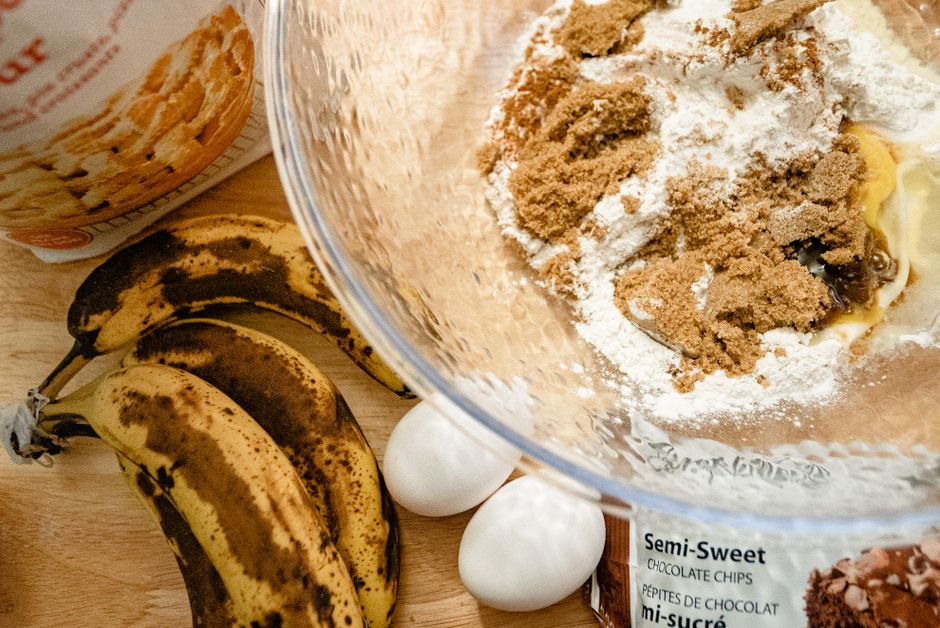
Selecting and Preparing Your Bananas
The success of your banana bread depends heavily on the ripeness of your fruit. You want to use bananas that are heavily speckled with black spots, or even completely black, as they contain the highest concentration of sugar and moisture. Underripe bananas will make your bread starchier, less sweet, and significantly drier.
If your bananas are not quite ripe enough, you can place them on a baking sheet and bake them at 300°F for about 15-20 minutes until the skins turn black. Let them cool completely before peeling and mashing. This quick trick caramelizes the sugars inside the banana, mimicking the natural ripening process perfectly.
The Art of Creaming and Mixing
Creaming your butter and sugar together is a crucial step that should not be rushed. This process incorporates tiny air pockets into the fat, which helps the bread rise and creates a lighter texture. Spend at least two to three minutes beating the butter and sugar together until the mixture looks pale and fluffy.
Once you add the dry ingredients, it is vital to switch to a gentle folding motion using a spatula or wooden spoon. Overmixing at this stage will activate the gluten in the flour, resulting in a tough, rubbery loaf with tunnels throughout the crumb. Mix just until you no longer see streaks of dry flour, then stop immediately.
Oven Temperatures and Baking Pans
We recommend using a metal loaf pan for this recipe, as metal conducts heat more evenly than glass or ceramic. Glass pans tend to bake the edges of the bread too quickly, leaving the center undercooked. If you must use a glass pan, lower your oven temperature by 25°F and check the bread a few minutes early.
Always place your loaf pan on the middle rack of the oven to ensure even heat distribution. If you notice the top of the bread browning too quickly before the center is done, loosely tent a piece of aluminum foil over the top for the last 15 minutes of baking. This protects the crust while allowing the interior of the loaf to bake through completely.
Comparing Amish Banana Bread to Other Popular Styles
The world of quick breads is vast, and there are many different approaches to this classic treat. If you are short on time, you might look for a quick banana bread recipe bisquick shortcut, but the scratch-made Amish version offers a superior, authentic crumb. The scratch method allows you to control the quality of every ingredient, resulting in a deeper, more complex flavor profile.
For those who love a bit of spice and crunch, a classic banana nut bread recipe with cinnamon brings a cozy, warming flavor profile to your morning coffee. The addition of warm spices like cinnamon and nutmeg complements the sweet banana base beautifully. While the traditional Amish recipe is relatively plain to highlight the banana flavor, adding a touch of cinnamon is a very common and delicious variation.
You might even be surprised to learn that some bakers swear by a banana bread with mayonnaise recipe to lock in moisture, though the Amish traditionally stick to butter or lard. Mayonnaise acts as an emulsion of oil and eggs, which creates an incredibly soft crumb. However, the rich dairy notes of real butter in the Amish version remain unmatched for pure, nostalgic flavor.
Variations and Customizations for Every Palate
While the classic recipe is outstanding on its own, it also serves as a fantastic canvas for your favorite mix-ins and flavor variations. You can easily customize this loaf to suit your family’s preferences or to celebrate different seasons of the year. Let’s look at a few simple ways to modify this traditional recipe.
Nutty and Sweet Additions
To add texture and contrast to the soft crumb, try folding in a half-cup of chopped walnuts, pecans, or almonds. Toasting the nuts in a dry skillet for a few minutes before adding them to the batter will release their aromatic oils and enhance their flavor. If you have a sweet tooth, chocolate chips or butterscotch chips make a wonderful addition that children will love.
You can also create a beautiful cinnamon-sugar swirl by layering the batter in the loaf pan. Pour half the batter into the pan, sprinkle a mixture of cinnamon and brown sugar over it, and then top with the remaining batter. Use a butter knife to gently swirl the layers together before baking for a beautiful marbled effect.
Gluten-Free and Dairy-Free Adjustments
To make this recipe gluten-free, you can substitute the all-purpose flour with a high-quality 1-to-1 gluten-free baking flour blend. Ensure your blend contains xanthan gum, which helps mimic the structure of gluten. You may also need to add an extra tablespoon of mashed banana to prevent the gluten-free loaf from drying out.
For a dairy-free version, replace the unsalted butter with vegan butter sticks or coconut oil. In place of the buttermilk, you can use almond milk, oat milk, or coconut milk mixed with a teaspoon of apple cider vinegar. These simple swaps allow everyone at your table to enjoy this delicious treat without sacrificing texture or flavor.
How to Store, Freeze, and Reheat Your Loaf
Because this amish banana bread recipe yields a loaf that is naturally moist, it stores incredibly well. To keep it fresh, let the loaf cool completely to room temperature before wrapping it tightly in plastic wrap or aluminum foil. Storing the bread while it is still warm will trap steam inside the wrapping, making the crust soggy and encouraging mold growth.
You can keep the wrapped bread on your kitchen counter at room temperature for up to four days. If you want it to last longer, you can store it in the refrigerator for up to a week, though this can sometimes dry out the crumb slightly. For long-term storage, freezing is the absolute best option.
To freeze, wrap the entire cooled loaf, or individual slices, in a double layer of plastic wrap, followed by a layer of heavy-duty aluminum foil. Label the package with the date, and freeze for up to three months. When you are ready to enjoy a slice, simply thaw it at room temperature for a few hours, or pop a frozen slice directly into the toaster for a quick and delicious breakfast.
Frequently Asked Questions
Can I use frozen bananas for this recipe?
Yes, frozen bananas work beautifully in this recipe. Simply thaw them completely at room temperature before using them. Be sure to include all the liquid that accumulates as they thaw, as this juice contains a lot of the sweetness and moisture needed for the bread.
Why did my banana bread sink in the middle?
Banana bread usually sinks in the middle if it is underbaked or if too much leavening agent was used. Always test the center of the loaf with a toothpick or cake tester before removing it from the oven. If the top is browning too quickly, tent it with foil and continue baking until the center is set.
Can I turn this recipe into muffins?
Absolutely! This batter makes fantastic muffins. Line a standard muffin tin with paper liners, fill each cup about three-quarters full, and bake at 375°F (190°C) for 18 to 22 minutes, or until a toothpick inserted in the center comes out clean.
How do I make my banana bread even moister?
Using very ripe, almost black bananas is the best way to ensure maximum moisture. You can also substitute a tablespoon of the granulated sugar with real maple syrup or honey, which act as natural humectants to keep the bread soft and tender for longer periods.
Can I use oil instead of butter?
Yes, you can substitute the softened butter with an equal amount of vegetable oil, canola oil, or melted coconut oil. While oil will yield a slightly lighter and moister crumb, you will lose some of the rich, buttery flavor that makes the traditional Amish version so special.
Embrace the Warmth of Traditional Baking
Baking a loaf of homemade bread is a wonderful way to slow down and enjoy the simple pleasures of life. This classic amish banana bread recipe proves that you do not need fancy ingredients or complicated techniques to create something truly extraordinary. With just a few ripe bananas and basic pantry staples, you can bake a loaf that brings warmth and comfort to your home.
We hope this recipe becomes a cherished favorite in your household, just as it has been in Amish communities for decades. Gather your ingredients, preheat your oven, and enjoy the wonderful journey of scratch baking. Happy baking!
