We have all been there: you look at your kitchen counter and spot a single, lonely banana covered in dark brown spots. It is far too ripe to eat on its own, yet throwing it away feels like a culinary crime. Traditional recipes usually demand three or four bananas, leaving you searching for a solution for that solitary fruit.
Fortunately, you do not need a whole bunch of fruit to enjoy the warm, comforting aroma of freshly baked goods. This delicious banana bread recipe using 1 banana is specifically designed to transform that single overripe fruit into a spectacularly moist and flavorful small-batch loaf. It is the perfect baking project for a quiet morning or a quick afternoon treat.
In this comprehensive guide, we will walk through the science of small-batch baking, explore the best ingredients to pair with your single banana, and share step-by-step instructions for baking success. Get ready to fill your kitchen with the sweet scent of cinnamon, caramelized sugar, and rich banana goodness. Let’s dive into the ultimate recipe for your lonely banana.
Small-Batch Single Banana Bread
Prep Time: 15 minutes | Cook Time: 35 minutes | Total Time: 50 minutes | Servings: 4 slices (1 mini loaf)
Ingredients
- Banana: 1 large, very ripe banana (well-mashed, approx. 1/2 cup)
- Fat: 3 tablespoons unsalted butter, melted and cooled slightly
- Sweetener: 1/3 cup packed light brown sugar
- Egg: 1 large egg yolk (helps bind the bread without adding too much liquid)
- Extract: 1/2 teaspoon pure vanilla extract
- Flour: 1/2 cup all-purpose flour (spooned and leveled)
- Leavening: 1/2 teaspoon baking soda
- Seasoning: 1/4 teaspoon salt
- Spices: 1/4 teaspoon ground cinnamon
- Add-ins (Optional): 2 tablespoons semi-sweet chocolate chips or chopped walnuts
Instructions
- Preheat your oven to 350°F (175°C). Grease a mini loaf pan (approx. 5.75 x 3 inches) with cooking spray or line it with parchment paper.
- In a medium mixing bowl, mash the single banana thoroughly with a fork or whisk until it is smooth and liquidy.
- Pour the melted butter into the mashed banana and stir well to combine.
- Add the brown sugar, egg yolk, and vanilla extract. Whisk vigorously until the wet mixture is smooth and the sugar starts to dissolve.
- In a separate small bowl, whisk together the all-purpose flour, baking soda, salt, and ground cinnamon.
- Gently fold the dry ingredients into the wet ingredients using a spatula. Mix just until combined; do not overmix, or the bread will be dense.
- If using, gently fold in the chocolate chips or chopped walnuts.
- Pour the batter into your prepared mini loaf pan and smooth the top with a spatula.
- Bake for 30 to 35 minutes, or until a toothpick inserted into the center comes out clean or with just a few moist crumbs.
- Remove from the oven and let cool in the pan for 10 minutes, then transfer to a wire rack to cool completely before slicing.
Tips & Variations
For a vegan version, swap the butter for melted coconut oil and use 1 tablespoon of applesauce instead of the egg yolk. For a gluten-free loaf, use a 1:1 gluten-free baking flour blend containing xanthan gum.
Storage
Store leftovers in an airtight container at room temperature for up to 3 days, or wrap tightly and freeze for up to 3 months.
Nutrition (Estimated per slice)
Calories: 185 | Carbohydrates: 28g | Protein: 2g | Fat: 9g | Saturated Fat: 5g | Cholesterol: 68mg | Sodium: 210mg | Fiber: 1g | Sugar: 16g
Why This Recipe Works
Small-batch baking is a precise science, especially when adapting a traditional favorite like banana bread. When you make a classic loaf, you rely on multiple bananas to provide moisture, structure, and sweetness. Reducing the recipe to accommodate just one banana requires adjusting the ratios of flour, fat, and leavening agents to prevent the loaf from drying out or turning gummy.
This banana bread recipe using 1 banana works beautifully because it scales down the wet and dry ingredients in perfect harmony. By using a single egg yolk instead of a whole egg, we prevent the batter from becoming too watery while retaining the rich fat needed for a tender crumb. The addition of melted butter ensures the bread stays soft and moist for days, mimicking the texture of a full-sized bakery loaf.
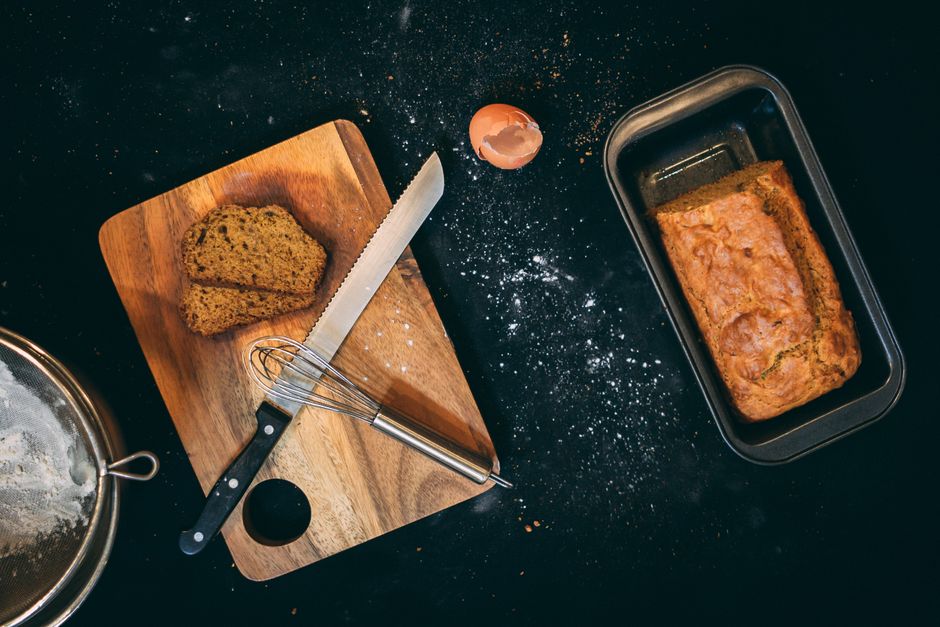
Furthermore, baking this recipe in a mini loaf pan ensures even heat distribution. A standard loaf pan would cause this small amount of batter to spread too thin, resulting in a dry, flat disc rather than a proud, domed loaf. If you are looking for alternative ways to add moisture and richness to your small-batch bakes, you might also enjoy exploring a banana bread with mayonnaise recipe for an incredibly tender texture.
Now that you understand the basic mechanics behind this small-batch wonder, let’s explore the history of this classic treat. Understanding its origins helps us appreciate why resourcefulness in the kitchen remains so popular today.
A Brief History of Banana Bread and Resourcefulness
Banana bread has a rich history rooted in resourcefulness and thriftiness. During the Great Depression of the 1930s, households could not afford to waste any food, including overripe fruit. Around the same time, commercial baking powder and baking soda became widely available, allowing home cooks to make quick breads without waiting for yeast to rise.
This combination of economic necessity and food innovation birthed the classic banana bread we know and love today. The recipe quickly became a staple in American cookbooks, celebrated for its simplicity and comforting taste. Today, this tradition of resourcefulness lives on when we seek out a banana bread recipe using 1 banana to avoid throwing away a single piece of fruit.
Ingredients Deep Dive
To achieve the perfect texture and flavor, it helps to understand the role each ingredient plays in this recipe. Let’s break down the components that make this single-banana bake a triumph.
First and foremost is the banana itself. The riper the banana, the sweeter and more fragrant your bread will be. Look for a banana that is heavily speckled with black spots, or even completely black, as these fruits have converted their starches into simple sugars. If you only have a yellow banana, you can quick-ripen it in the oven at 300°F (150°C) for about 15 minutes until the skin turns dark.
Next, the choice of sugar plays a crucial role in both flavor and moisture. While white granulated sugar works, using a banana bread recipe brown sugar base introduces molasses. This molasses adds a deep, caramel-like undertone and attracts moisture, keeping the small loaf incredibly soft.
The choice of fat also dictates the final crumb. Melted butter provides a classic, rich flavor that pairs naturally with the sweetness of the fruit. However, if you are looking to experiment with different moisture-retaining ingredients in your baking, you might consider how a banana bread recipe greek yogurt variation uses tangy dairy to create a tender crumb while cutting down on fat.
Finally, let’s talk about the flour and leavening agents. All-purpose flour provides the gluten structure necessary to hold the bread together, while baking soda reacts with the acidic components of the banana and brown sugar to create carbon dioxide bubbles. This reaction helps the batter rise beautifully in the oven, creating a light, airy texture instead of a dense, heavy brick.
With our ingredients fully prepped and understood, we can now move on to the actual mixing and baking process. Let’s look at the step-by-step details to ensure your baking goes smoothly.
Step-by-Step Details
Now, let’s walk through the preparation process in detail to ensure your baking experience is flawless. The beauty of this banana bread recipe using 1 banana is that it requires no fancy equipment—just a couple of bowls, a fork, and a spatula.
Begin by preheating your oven to 350°F (175°C). Proper preheating is essential because the baking soda needs immediate heat to activate and lift the batter. While the oven warms up, prepare your mini loaf pan. You can grease it with butter or non-stick spray, but lining it with a strip of parchment paper that hangs over the edges creates a handy sling for easy removal later.
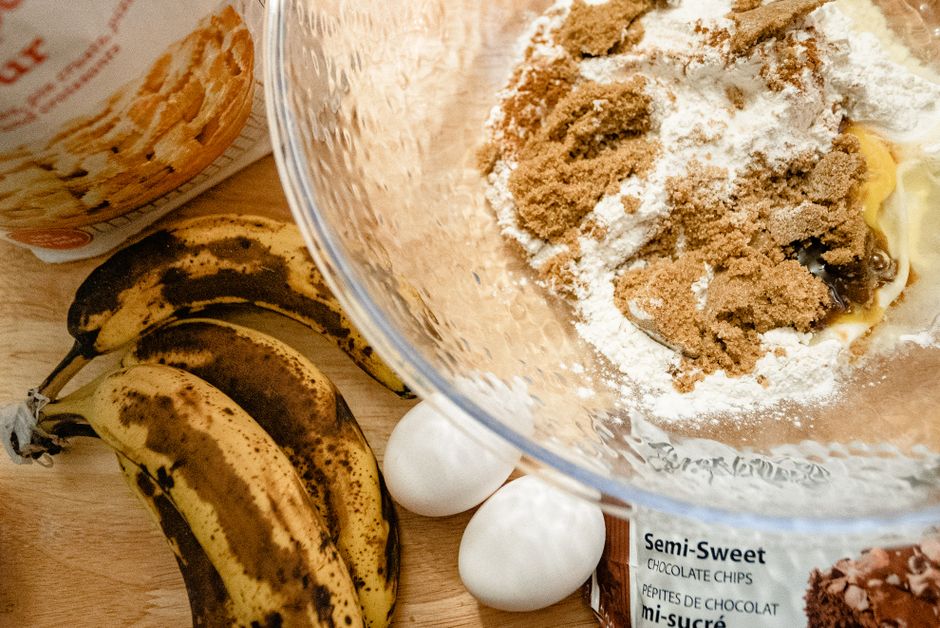
In your mixing bowl, mash the banana until no large chunks remain. You want a relatively smooth puree to ensure the banana flavor and moisture are evenly distributed throughout the batter. Once mashed, stir in the cooled melted butter, followed by the brown sugar, egg yolk, and vanilla extract. Whisking this mixture thoroughly helps dissolve the sugar crystals, which contributes to a shiny, crackled top crust.
In a separate bowl, sift or whisk your dry ingredients: the all-purpose flour, baking soda, salt, and cinnamon. Sifting prevents lumps of baking soda from ruining your bread’s flavor. Gently fold the dry mixture into the wet ingredients using a rubber spatula. Stop mixing the moment you see no more pockets of dry flour; overmixing develops too much gluten, which can make your banana bread tough and chewy.
Gently scrape the batter into your prepared mini loaf pan and smooth the surface. Pop it into the center rack of your preheated oven. Because this is a smaller loaf, it will bake faster than a standard loaf—usually taking between 30 and 35 minutes. Keep an eye on it around the 28-minute mark, testing the center with a toothpick to prevent over-baking.
Once your bread is baked to golden perfection, it is time to think about how you can customize this recipe. Let’s explore some delicious variations and substitutions to fit your dietary needs.
Variations and Substitutions
One of the best things about baking is customizing recipes to suit your personal preferences or dietary needs. Even with a small-batch recipe, there are plenty of ways to shake things up and create a unique treat.
If you love warm spices and crunch, you can easily transform this into a banana nut bread recipe with cinnamon. Simply fold in two tablespoons of toasted, chopped pecans or walnuts along with an extra pinch of ground nutmeg or cardamom. The toastiness of the nuts contrasts beautifully with the sweet, soft banana crumb.
For those who prefer a shortcut method or want to use pantry staples, you can adapt the dry ingredients. Some bakers enjoy utilizing pre-mixed baking flour, similar to how a banana bread recipe bisquick style uses biscuit mix to simplify the measuring process. If you choose to use a baking mix, keep in mind that it already contains leavening agents and salt, so you will need to adjust your recipe accordingly.
If you want to make this recipe vegan, the substitutions are straightforward. Replace the melted butter with an equal amount of melted coconut oil, avocado oil, or vegan butter. Instead of the egg yolk, use one tablespoon of unsweetened applesauce, pumpkin puree, or a flax egg (1/2 tablespoon of ground flaxseed mixed with 1.5 tablespoons of water). These plant-based alternatives will keep the loaf moist and delicious.
