We have all been there before. You walk into the kitchen, and your eyes land on the countertop where a single, lonely banana sits. It is covered in dark speckles, soft to the touch, and far too ripe to eat on its own. Throwing it away feels like a waste, but most traditional baking recipes call for three or four bananas to get the job done.
Fortunately, you do not need a whole bunch of fruit to enjoy the comforting aroma of freshly baked goods. This delicious one banana banana bread recipe is specifically designed to transform that single overripe fruit into a warm, tender treat. It is the perfect solution for quick cravings, small households, or lazy weekend mornings when you want a homemade bake without the leftover mountain of food.
Baking in small batches brings a unique kind of joy to the kitchen. There is less prep work, less cleanup, and you get to enjoy the bread at its absolute peak of freshness. Let us dive into why this recipe works so beautifully and how you can master it in your own kitchen.
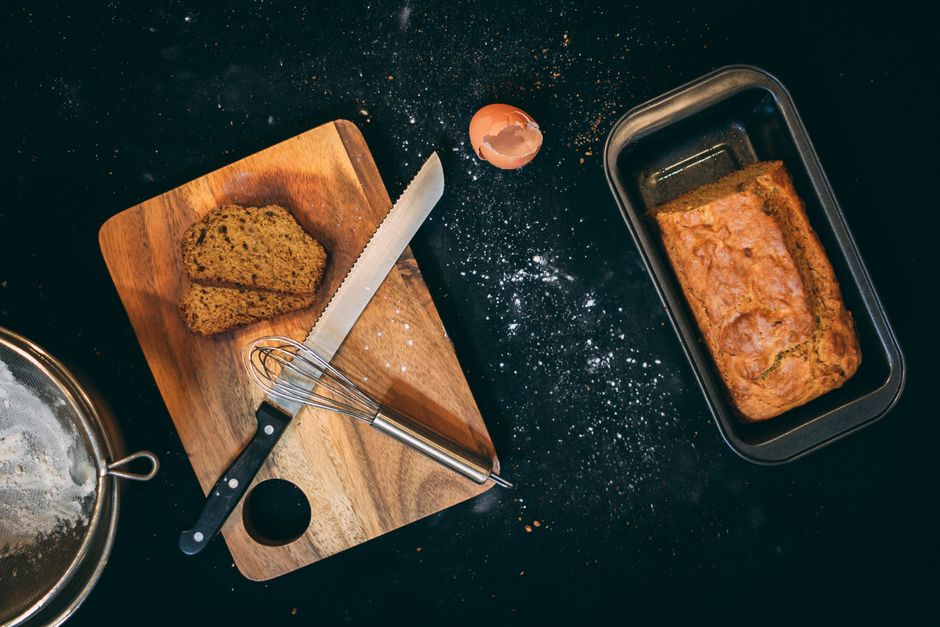
Why a One Banana Banana Bread Recipe is a Game Changer
Traditional banana bread recipes are wonderful, but they require a significant commitment of ingredients and time. When you use a recipe designed for just one banana, you scale down the entire process into something manageable and fast. You will not need to wait hours for a giant loaf to bake through to the center, reducing the risk of a gummy middle.
This approach also helps reduce food waste in a very practical way. Instead of letting that last banana go to waste or tossing it into the freezer where it might be forgotten, you can turn it into a delicious snack within an hour. It is a sustainable, budget-friendly baking habit that yields delicious rewards.
Additionally, small-batch baking allows you to experiment with flavors more freely. Since you are only making a small loaf or a few muffins, you can try out different spices, nuts, or chocolate chips without worrying about ruining a massive batch. It is the ultimate playground for creative home bakers.
Solving the Single Banana Dilemma
Many bakers assume that simply dividing a standard recipe by three will yield a perfect small loaf. However, baking is a science, and scaling down ingredients like eggs and leavening agents can be incredibly tricky. This recipe is specifically balanced to ensure the ratio of moisture to flour is perfect for just one banana.
Because bananas vary in size, we have designed this recipe to be forgiving. Whether your single banana is medium or extra-large, the supporting ingredients will help you achieve a soft, tender crumb. You will never have to worry about a dry or dense result again.
Perfect for Small Households and Quick Cravings
If you live alone or with a partner, a giant loaf of banana bread can sometimes go stale before you can finish it. This smaller yield ensures that every single slice is enjoyed while it is still fresh and moist. It is also an excellent recipe to make with kids, as their attention spans match the quick prep time perfectly.
When that craving for a warm, sweet treat hits in the evening, you do not want to wait an hour and a half to eat. This smaller loaf bakes much faster than a standard size, meaning you will be sitting down with a warm slice and a smear of butter in no time. It is convenience and comfort wrapped into one simple recipe.
The Science of Baking with Less Banana
Bananas do a lot of heavy lifting in baked goods by providing moisture, structure, sweetness, and fat replacement. When you reduce the amount of banana, you have to adjust the other ingredients to maintain that classic, melt-in-your-mouth texture. Understanding how these ingredients interact will help you become a more confident baker.
Moisture is the biggest hurdle when working with less fruit. To compensate for the missing banana bulk, we use a precise amount of fat and liquid to keep the crumb tender. If you love experimenting with moisture-rich ingredients, you might also enjoy learning about a banana bread with mayonnaise recipe, which uses mayo to lock in an incredibly soft texture.
The type of sugar you choose also plays a major role in the final structure of your bread. While white sugar adds sweetness, brown sugar introduces molasses, which attracts moisture and creates a deeper flavor. For those who prefer a rich, caramel-like undertone, utilizing a classic banana bread recipe brown sugar technique is an excellent way to elevate your small-batch baking.
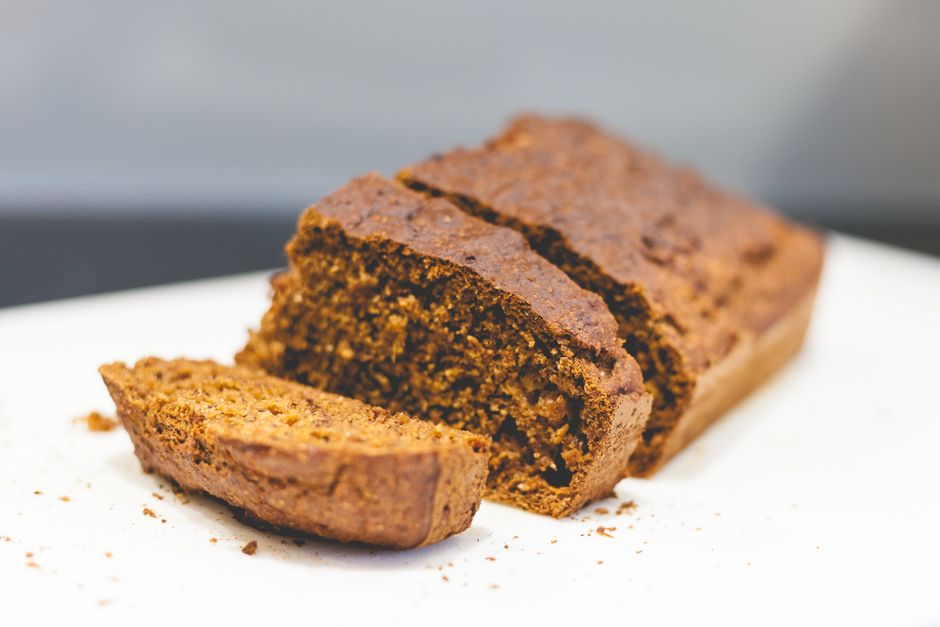
Balancing Moisture and Structure
The gluten in all-purpose flour provides the structure that holds the bread together. However, too much flour will make your single-banana loaf taste dry and dusty. We use a careful measurement of flour to ensure the bread rises beautifully while remaining incredibly soft.
To keep the batter light, we rely on a combination of baking soda and a touch of acid. If you want to introduce a subtle tang and even more tenderness to your bake, incorporating elements of a banana bread recipe greek yogurt base can work wonders. The acidity in the yogurt reacts beautifully with the baking soda, creating a light, airy crumb.
Choosing the Right Fats and Liquids
Butter is the classic choice for banana bread because it brings a rich, savory flavor that pairs perfectly with sweet fruit. You can use melted butter for a quick mix, or softened butter creamed with sugar for a slightly lighter cake-like texture. Vegetable oil or coconut oil can also be used if you prefer a dairy-free option.
The egg in this recipe acts as a binder, holding the structure together and helping the bread rise. Since we are making a smaller loaf, one large egg is the perfect size to provide structure without making the bread taste egg-heavy. It provides the perfect balance of fat and protein for our small-batch needs.
Key Ingredients You Will Need
Before you begin, gather your ingredients so the process is smooth and enjoyable. Because this recipe is small, every ingredient plays a vital role in the final flavor and texture. Try to use the best quality ingredients you have on hand for the best results.
First and foremost, you need one very ripe banana. The peel should be covered in brown spots, or even completely black, as this indicates the starches have converted to sugar. A ripe banana is easier to mash and provides the intense banana flavor we all love.
You will also need standard pantry staples: all-purpose flour, sugar, baking soda, salt, butter, and an egg. If you want to skip measuring out individual leavening agents, you can look into a banana bread recipe bisquick variation for an even faster shortcut. However, the scratch-made version below offers the ultimate control over flavor and texture.
One Banana Banana Bread
Ingredients
- 1 large overripe banana (well-mashed, about 1/2 cup)
- 3 tablespoons unsalted butter, melted and cooled slightly
- 1/3 cup packed light brown sugar
- 1 large egg, room temperature
- 1/2 teaspoon pure vanilla extract
- 3/4 cup all-purpose flour
- 1/2 teaspoon baking soda
- 1/4 teaspoon fine salt
- 1/4 teaspoon ground cinnamon (optional)
- 3 tablespoons chopped walnuts or chocolate chips (optional)
Instructions
- Preheat your oven to 350°F (175°C). Grease a mini loaf pan (approx. 6×3 inches) with cooking spray or butter, or line it with parchment paper for easy removal.
- In a medium mixing bowl, use a fork to mash the ripe banana until it is smooth with very few lumps remaining.
- Whisk the melted butter, brown sugar, egg, and vanilla extract into the mashed banana until the mixture is smooth and well combined.
- In a separate small bowl, whisk together the flour, baking soda, salt, and optional cinnamon.
- Pour the dry ingredients into the wet banana mixture. Use a spatula to gently fold the ingredients together just until combined. Do not overmix, or the bread will be tough. Fold in the nuts or chocolate chips if using.
- Spread the batter evenly into your prepared mini loaf pan. Bake for 30 to 35 minutes, or until a toothpick inserted into the center comes out clean or with a few moist crumbs.
- Allow the bread to cool in the pan for 10 minutes, then transfer it to a wire rack to cool completely before slicing.
Tips & Variations
- Pan Size: If you do not have a mini loaf pan, you can bake this batter in three standard muffin tin cups. Bake muffins for 15-18 minutes.
- Ripening Tips: If your banana isn’t ripe enough, bake it in its peel at 300°F (150°C) for 15 minutes until black, then let it cool before mashing.
- Gluten-Free: Swap the all-purpose flour for a 1:1 gluten-free baking flour blend containing xanthan gum.
Storage
Store leftover banana bread in an airtight container at room temperature for up to 3 days. For longer storage, wrap the loaf tightly in plastic wrap and freeze for up to 3 months. Thaw at room temperature or toast slices directly from the freezer.
Nutrition (per serving)
Calories: 210 | Carbohydrates: 32g | Protein: 3g | Fat: 8g | Saturated Fat: 5g | Cholesterol: 60mg | Sodium: 210mg | Fiber: 1g | Sugar: 16g
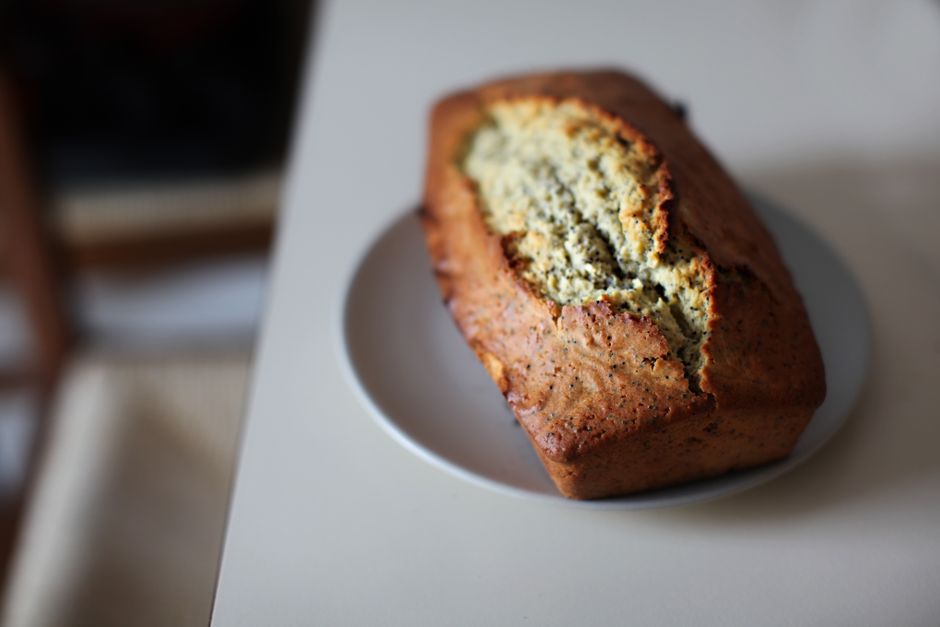
Step-by-Step Guide: How to Make One Banana Banana Bread
Baking this one banana banana bread recipe is incredibly simple, but paying attention to a few key details will elevate it from good to spectacular. The process begins with your banana prep. You want to mash the banana as thoroughly as possible, as this releases the natural sugars and creates a uniform distribution of moisture throughout the batter.
When mixing your wet ingredients, make sure your egg is at room temperature. A cold egg can cause your melted butter to seize up and solidify, resulting in an uneven batter texture. Simply place the egg in a bowl of warm water for five minutes before cracking it to bring it to the perfect temperature quickly.
The most crucial step in any quick bread recipe is the mixing stage. When you combine the wet and dry ingredients, use a gentle folding motion rather than vigorous stirring. Overmixing activates the gluten in the flour, which can make your banana bread dense and chewy instead of light and fluffy.
Customizations and Variations
One of the best things about this recipe is how easy it is to customize. Since it is a small batch, you can tailor it to your exact mood without worrying about pleasing a massive crowd. Whether you love crunchy textures, sweet pockets of chocolate, or warm spices, there is a variation for you.
If you love the combination of warm spices and crunchy nuts, you might want to try a classic banana nut bread recipe with cinnamon. Adding a handful of toasted pecans or walnuts along with a generous dash of cinnamon brings a cozy, bakery-style feel to your kitchen. The crunch of the nuts contrast beautifully with the tender crumb of the bread.
For chocolate lovers, adding two tablespoons of mini chocolate chips turns this bread into a decadent breakfast or dessert. The mini chips are ideal for a small loaf because they distribute evenly without sinking to the bottom of the pan. You can also drizzle the top with a simple powdered sugar glaze for an extra touch of sweetness.
Gluten-Free and Vegan Swaps
Making this recipe gluten-free is incredibly simple. Just swap the all-purpose flour for a high-quality 1:1 gluten-free baking blend. Make sure the blend contains xanthan gum, which helps mimic the structure of gluten and keeps the bread from crumbling.
If you want to make a vegan version, you can replace the egg with a flax egg (1 tablespoon ground flaxseed mixed with 2.5 tablespoons water) or two tablespoons of applesauce. Use melted coconut oil or a plant-based butter alternative in place of the dairy butter. The result will still be incredibly moist and delicious.
Flavor Enhancements and Mix-ins
Do not limit yourself to just nuts and chocolate. You can fold in dried cranberries, shredded coconut, or even a swirl of peanut butter before baking. A tablespoon of espresso powder added to the dry ingredients will enhance the chocolate notes if you decide to add chocolate chips.
You can also create a beautiful textured top by sprinkling the batter with coarse sugar or rolled oats before it goes into the oven. This creates a crunchy, sweet crust that contrasts wonderfully with the soft interior. It makes the mini loaf look like it came straight from a gourmet coffee shop window.
Frequently Asked Questions
Can I double this recipe?
Yes, you can easily double all the ingredients in this recipe to make a standard-sized loaf. If you double it, use a standard 8.5×4.5-inch loaf pan and increase the baking time to approximately 50 to 60 minutes.
What if my banana is not ripe enough?
If your banana is still yellow or slightly green, you can ripen it quickly in the oven. Place the unpeeled banana on a baking sheet and bake at 300°F (150°C) for about 15-20 minutes until the skin turns completely black. Let it cool before peeling and mashing.
Can I use frozen bananas for this recipe?
Absolutely! Thaw the frozen banana completely before using. Be sure to include all the liquid that accumulates as the banana thaws, as this liquid contains a lot of the flavor and moisture needed for the batter.
Can I make this recipe as muffins instead of a loaf?
Yes, this batter makes excellent muffins. Divide the batter among three or four standard muffin cups lined with paper liners. Bake at 350°F (175°C) for 15 to 18 minutes, or until a toothpick inserted in the center comes out clean.
Why did my banana bread sink in the middle?
This usually happens if the bread is underbaked or if too much leavening agent was used. Make sure your baking soda is fresh, and always test the center of the loaf with a toothpick before removing it from the oven.
Conclusion
Baking does not have to be a grand, time-consuming production to be deeply satisfying. This simple one banana banana bread recipe proves that you can create something truly delicious with just a few basic pantry staples and a single piece of overripe fruit. It is the ultimate kitchen hack for minimizing waste while maximizing flavor.
The next time you spot a lonely, speckled banana sitting on your counter, do not throw it away or relegate it to the freezer. Instead, preheat your oven, grab a bowl, and treat yourself to a warm, comforting slice of homemade heaven. Happy baking!
