There is nothing quite like the warm, sweet aroma of freshly baked banana bread wafting through the house on a cozy weekend morning. For years, I stuck to the traditional recipes passed down through my family, using standard all-purpose flour for a dense, hearty slice. However, one rainy afternoon, I found myself with a counter full of overripe bananas and a pantry that was completely out of all-purpose flour. The only option left on my baking shelf was a box of cake flour, and that happy accident changed my baking routine forever.
Switching to cake flour transformed my standard loaf into something truly extraordinary. Instead of a heavy, dense bread, I ended up with an incredibly light, velvety, and melt-in-your-mouth slice that tasted like it came from a high-end boutique bakery. In this guide, I will share my ultimate banana bread recipe with cake flour so you can experience this luxurious texture in your own kitchen.
Whether you are a seasoned baker looking to elevate your quick bread game or a beginner wanting a foolproof recipe, this guide has you covered. We will dive into the science of why cake flour works so beautifully, discuss key ingredients, and walk through the step-by-step process together. Get ready to bake the most tender loaf of banana bread you have ever tasted.
Why Use Cake Flour for Banana Bread?
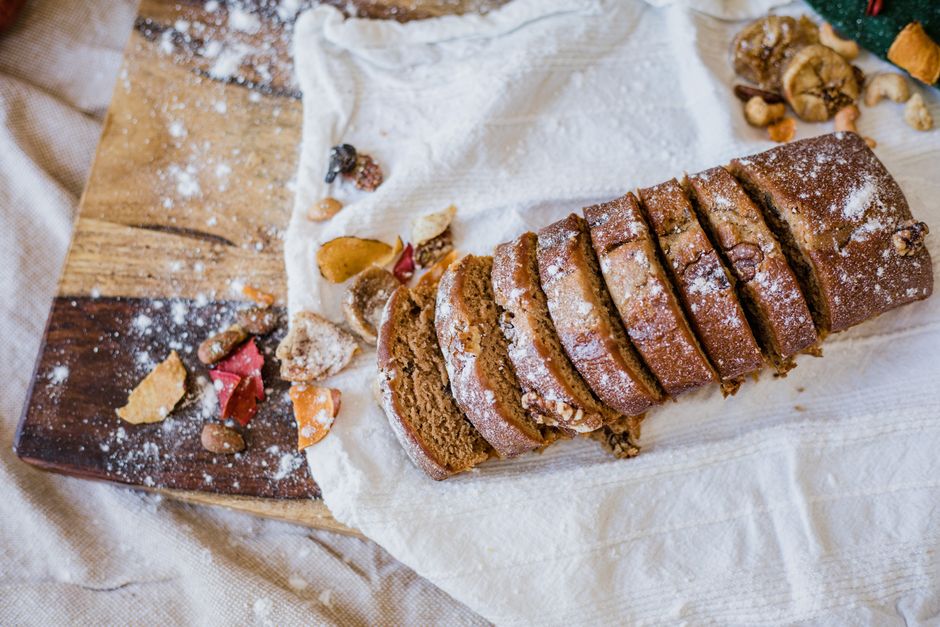
To understand why this banana bread recipe with cake flour is such a game-changer, we have to look at the science of baking. All-purpose flour typically contains a protein content of around 10% to 12%, which encourages gluten development. While gluten is fantastic for chewy artisan sourdough or structural sandwich bread, it can sometimes make quick breads feel a bit heavy or tough if the batter is overmixed.
Cake flour, on the other hand, is chlorinated and finely milled from soft wheat, resulting in a much lower protein content of about 7% to 8%. This lower protein level means that far less gluten is formed when you mix your wet and dry ingredients together. The result is a crumb structure that is exceptionally soft, delicate, and tender, allowing the natural moisture of the bananas to shine through without making the loaf feel gummy.
Additionally, the starch in cake flour is processed to absorb liquid and fats more efficiently than standard flours. This unique property helps hold the structure of the bread together while maintaining a high level of moisture. Every bite of this loaf feels incredibly light, pillowy, and decadent, elevating a simple rustic snack into a gourmet dessert.
The Secrets to Achieving Maximum Moisture
While using cake flour is the primary secret to a delicate crumb, maintaining the perfect moisture balance is equally important. Bananas provide a natural base of hydration, but adding the right fats and dairy products will elevate the texture even further. Many bakers love a classic banana bread recipe greek yogurt because the acidity of the yogurt tenderizes the gluten strands while adding richness.
If you do not have yogurt on hand, you might be surprised to learn that mayonnaise is another secret weapon in the baking world. A traditional banana bread with mayonnaise recipe works because mayonnaise is simply an emulsion of oil and egg yolks, which keeps the crumb incredibly soft for days. For our cake flour recipe, we will use a combination of unsalted butter for flavor and sour cream (or Greek yogurt) to achieve that perfect, plush texture.
Another crucial factor in moisture retention is the type of sugar you choose. While granulated white sugar provides sweetness and helps the bread brown, brown sugar contains molasses, which actively attracts and holds onto moisture. Balancing these ingredients ensures your loaf remains soft and fresh, even a few days after baking.
Tender Cake Flour Banana Bread
Ingredients
- 2 cups cake flour (spooned and leveled)
- 1 teaspoon baking soda
- 1/2 teaspoon fine sea salt
- 1/2 cup (1 stick) unsalted butter, softened to room temperature
- 1/2 cup granulated white sugar
- 1/2 cup packed light brown sugar
- 2 large eggs, room temperature
- 1 1/2 cups mashed overripe bananas (about 3 to 4 medium bananas)
- 1/3 cup sour cream or full-fat Greek yogurt
- 1 teaspoon pure vanilla extract
- 1/2 cup chopped walnuts or pecans (optional)
Instructions
- Preheat your oven to 350°F (175°C). Grease a 9×5-inch loaf pan with butter or non-stick spray, and line the bottom with parchment paper for easy removal.
- In a medium bowl, whisk together the cake flour, baking soda, and sea salt until well combined, then set aside.
- In a large mixing bowl or the bowl of a stand mixer fitted with the paddle attachment, beat the softened butter, white sugar, and brown sugar together on medium-high speed for about 3 minutes until the mixture is light and fluffy.
- Add the eggs one at a time, beating well after each addition and scraping down the sides of the bowl as needed.
- Stir in the mashed bananas, sour cream (or Greek yogurt), and vanilla extract until fully incorporated. The mixture may look slightly curdled at this stage, which is completely normal.
- Gently fold the dry ingredients into the wet ingredients using a rubber spatula just until combined. Be careful not to overmix, as we want to keep the cake flour gluten development to a minimum.
- If you are adding nuts, gently fold them into the batter during the final few folds.
- Pour the batter into your prepared loaf pan and smooth the top with a spatula.
- Bake for 50 to 60 minutes, or until a toothpick inserted into the center of the loaf comes out clean or with just a few moist crumbs attached.
- Remove the pan from the oven and let it cool on a wire rack for 10 minutes. Run a butter knife around the edges, carefully lift the bread out using the parchment paper, and let it cool completely on the rack before slicing.
Tips & Variations
For a warm, spiced twist on this recipe, you can easily adapt it into a cozy banana nut bread recipe with cinnamon by adding 1 teaspoon of ground cinnamon and 1/4 teaspoon of nutmeg to the dry ingredients. If you prefer chocolate, feel free to fold in 1/2 cup of semi-sweet chocolate chips. To make this recipe dairy-free, simply swap the butter for coconut oil and use a dairy-free yogurt alternative.
Storage
Store any leftover banana bread in an airtight container at room temperature for up to 3 days, or in the refrigerator for up to 1 week. To freeze, wrap individual slices tightly in plastic wrap and aluminum foil, then store them in a freezer bag for up to 3 months. Thaw at room temperature or microwave for 20 seconds before serving.
Nutrition (per serving)
Calories: 310 | Total Fat: 13g | Saturated Fat: 8g | Cholesterol: 75mg | Sodium: 240mg | Total Carbohydrates: 46g | Dietary Fiber: 2g | Sugars: 24g | Protein: 4g
Essential Baking Techniques for Cake Flour
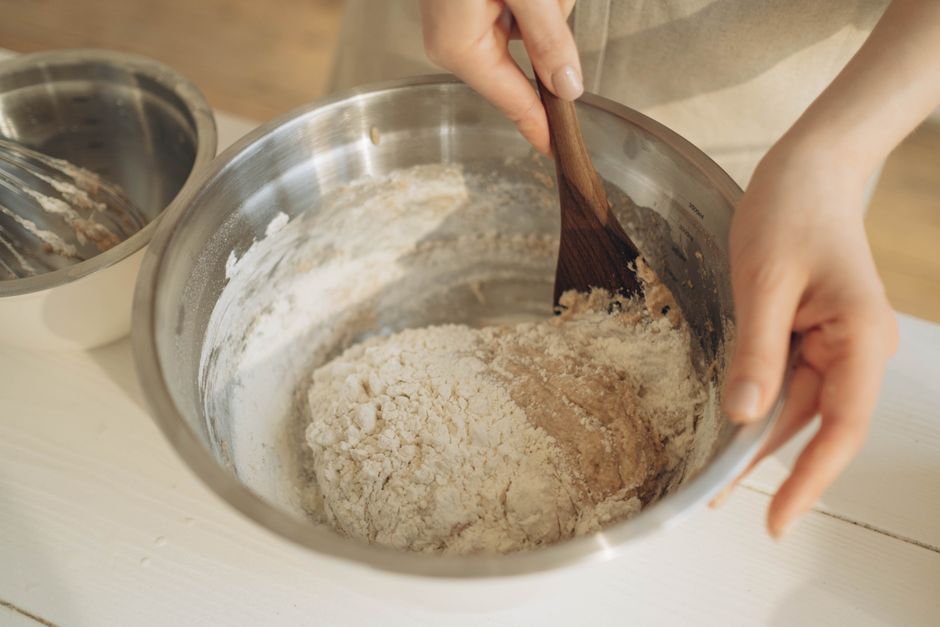
When working with a delicate ingredient like cake flour, your mixing technique plays a huge role in the final outcome of the bread. Because cake flour is so finely ground, it can easily clump together in the bag. It is highly recommended to sift your flour before measuring, or at the very least, use the “spoon and level” method to ensure you do not accidentally pack too much flour into your measuring cup.
Another key technique is the folding method. Once you add the dry ingredients to the wet mixture, put away the electric mixer and use a rubber spatula. Gently fold the ingredients by cutting down through the center, sweeping around the bottom of the bowl, and folding the batter over itself. This gentle motion prevents excess air from escaping and keeps the gluten from tightening up, ensuring your loaf remains incredibly soft.
Lastly, pay close attention to the temperature of your ingredients. Room temperature eggs, butter, and sour cream emulsify much better than cold ingredients. When the batter is emulsified correctly, it traps tiny pockets of air that expand during baking, contributing to a lighter rise and a beautiful dome on your finished loaf.
Comparing Cake Flour to Alternative Baking Methods
It is always interesting to see how different flours and techniques affect our favorite baked goods. If you are ever in a rush and do not have the time to measure out individual dry ingredients, you might opt for a quick banana bread recipe bisquick. While baking mix recipes are incredibly convenient and yield a tasty, rustic loaf, they lack the delicate, melt-in-your-mouth refinement that cake flour brings to the table.
Similarly, the type of sugar you use will alter both the color and the depth of flavor. If you prefer a deep, caramel-like sweetness, you can experiment with a banana bread recipe brown sugar base, which uses all brown sugar instead of a mix of white and brown. The molasses in the brown sugar complements the natural banana flavor beautifully, while the cake flour keeps the extra moisture from making the bread too heavy.
Ultimately, choosing cake flour is about prioritizing texture. It bridges the gap between a traditional, dense quick bread and a light, airy sponge cake. If you enjoy a slice of banana bread with your morning coffee or afternoon tea, this delicate crumb structure makes the experience feel much more luxurious.
How to Select and Prep the Perfect Bananas
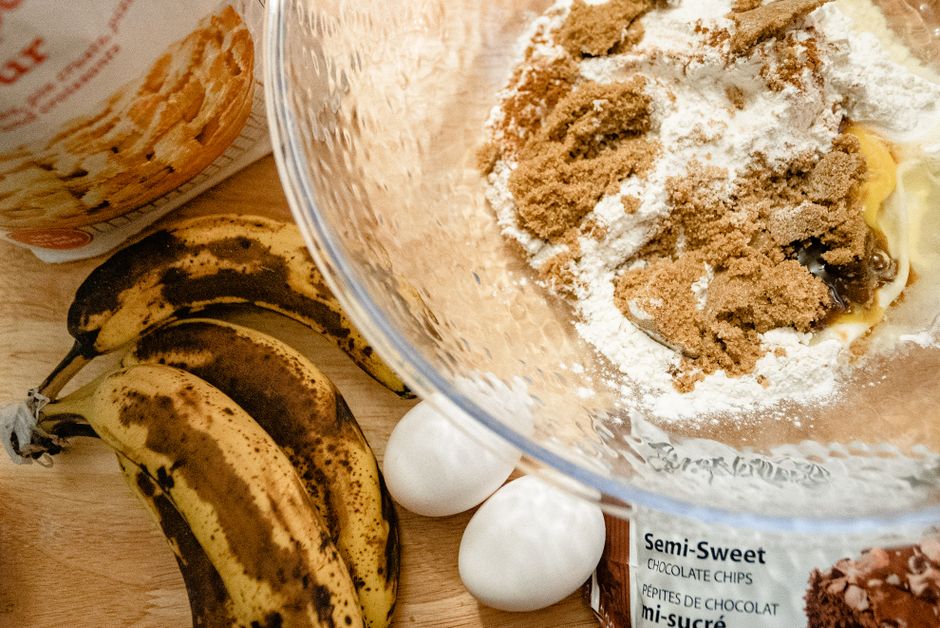
The success of any banana bread relies heavily on the quality of the bananas you use. You want to look for bananas that are heavily speckled with black spots, or even completely brown. As bananas ripen, their starches convert into simple sugars, which not only makes them sweeter but also increases their liquid content and intensifies their banana aroma.
If your bananas are not quite ripe enough but you have a craving for banana bread, you can speed up the process using your oven. Place the unpeeled bananas on a baking sheet lined with foil and bake them at 300°F (150°C) for 15 to 20 minutes until the skins turn completely black. Let them cool completely before peeling and mashing them for your batter.
When mashing the bananas, you can choose your preferred texture. If you like small pockets of fruit throughout your bread, mash them gently with a fork leaving some chunks. If you prefer a completely uniform, smooth crumb, mash them thoroughly or use a hand mixer to puree them before folding them into the batter.
Frequently Asked Questions
Can I make my own cake flour substitute?
Yes, if you do not have store-bought cake flour, you can easily make a substitute at home. For every cup of cake flour needed, measure out one level cup of all-purpose flour, remove two tablespoons of the flour, and replace them with two tablespoons of cornstarch. Sift the mixture together at least twice to ensure the cornstarch is evenly distributed and the flour is aerated.
Why did my banana bread sink in the middle?
A loaf that sinks in the center is usually the result of underbaking, using too much leavening agent, or opening the oven door too early during the baking process. Because cake flour creates a delicate structure, it is important to let the bread bake fully until a toothpick inserted in the center comes out clean. Avoid opening the oven door during the first 40 minutes of baking to prevent drafts from collapsing the rise.
Can I add chocolate chips or nuts to this recipe?
Absolutely! You can customize this recipe with your favorite mix-ins. Toss 1/2 cup of chocolate chips, chopped walnuts, or dried cranberries in a teaspoon of cake flour before folding them into the batter. Coating the mix-ins in a little flour prevents them from sinking to the bottom of the loaf pan during baking.
How do I keep my banana bread moist for days?
To keep your bread moist, let it cool completely before wrapping it tightly in plastic wrap or placing it in an airtight container. Storing the bread at room temperature will keep it soft for up to three days. If you need to keep it longer, slice the loaf, wrap the individual slices, and store them in the freezer for a quick grab-and-go treat.
Conclusion: The Ultimate Afternoon Treat
Baking a banana bread recipe with cake flour is a simple adjustment that yields spectacular results. By exchanging standard flour for a lower-protein alternative, you unlock a delicate, velvety texture that elevates this classic comfort food. It is the perfect recipe for lazy weekend mornings, family gatherings, or a sweet afternoon snack alongside a hot cup of tea.
Once you experience the tender, pillow-soft crumb of a cake-flour loaf, it is hard to go back to traditional recipes. Gather your overripe bananas, grab a box of cake flour, and enjoy the process of creating a bakery-quality masterpiece right in your own kitchen. Happy baking!
