There is nothing quite like the warm, sweet aroma of fresh banana bread wafting through the kitchen on a lazy Sunday morning. It is a scent that instantly evokes comfort, bringing back memories of childhood kitchens and family gatherings. For years, I baked my loaves the traditional way, but everything changed when I discovered the magic of using a bread maker.
Baking banana bread in a bread machine simplifies the entire process without sacrificing that signature moist texture and rich flavor. You do not have to worry about preheating the oven, monitoring bake times, or washing multiple mixing bowls. Instead, you simply layer your ingredients, press a few buttons, and let the machine do the heavy lifting.
In this guide, I will share the absolute best bread machine banana bread recipe that delivers a perfect, golden-brown crust and a fluffy interior every time. We will also explore the science behind successful bread machine baking and how to customize your loaf to suit your cravings.
Why Make Banana Bread in a Bread Machine?
The primary advantage of using a bread machine for quick breads is sheer convenience. Traditional baking requires creaming butter, mashing bananas in a separate bowl, whisking dry ingredients, and carefully folding them together. With a bread maker, the paddle does the mixing and the built-in heating element ensures even baking.
Another benefit is the consistent environment that a bread machine provides. Drafty kitchens or temperamental ovens can cause your quick breads to sink in the middle or bake unevenly. The enclosed chamber of a bread maker maintains a steady temperature, resulting in a reliable rise and uniform texture.
Finally, using a bread machine saves energy and keeps your kitchen cool, which is especially nice during the hot summer months. It is a set-it-and-forget-it method that allows you to multitask while your home fills with the delicious scent of baking spices and sweet fruit.
Bread Machine vs. Oven-Baked Banana Bread: A Comparison
Many bakers wonder if a bread machine can truly replicate the texture of an oven-baked loaf. While both methods yield delicious results, there are distinct differences in the final product and the preparation process. Let us look at how they compare side-by-side.
The Bread Machine Method
- Pros: One-pan cleanup, hands-off mixing and baking, consistent temperature control, and energy efficiency.
- Cons: The mixing paddle leaves a small hole in the bottom of the loaf, and you have less control over the crust darkness compared to an oven.
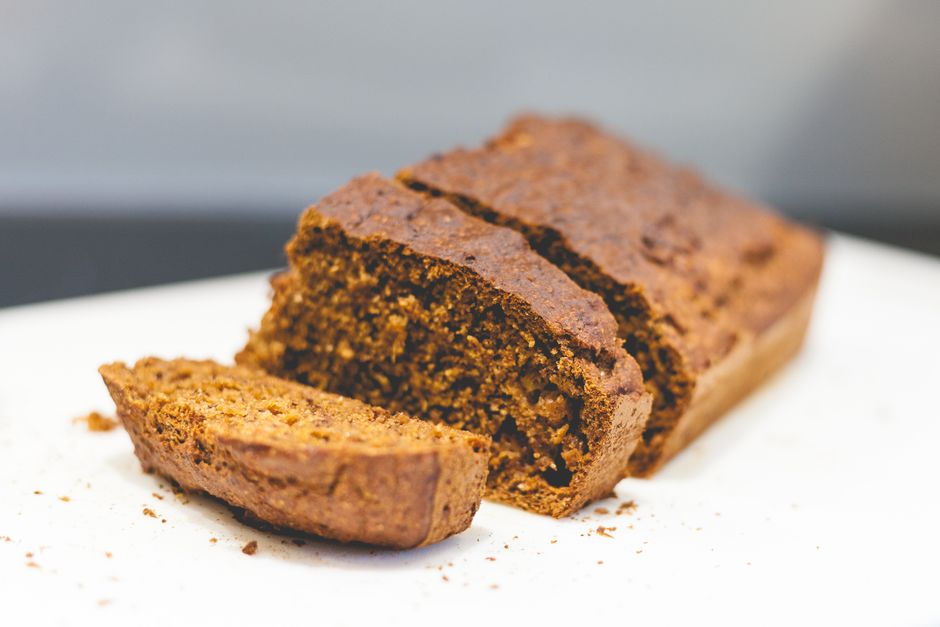
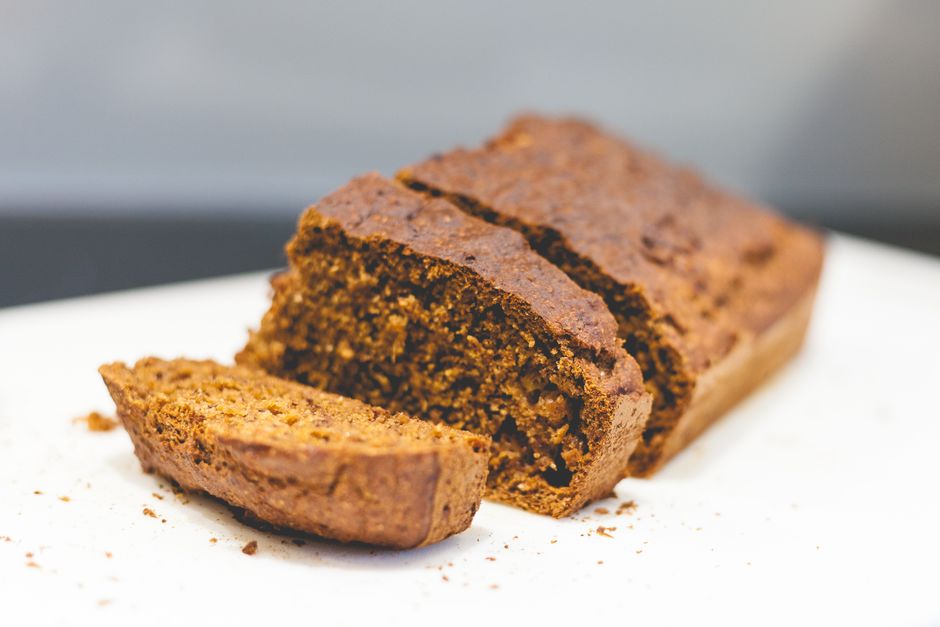
- Texture: Typically very moist and dense, with a slightly thicker, caramelized outer crust.
The Oven-Baked Method
- Pros: No paddle hole, customizable loaf pan shapes, and the ability to create a beautiful domed top with a split center.
- Cons: Requires multiple mixing bowls, active monitoring to prevent over-baking, and heats up the entire kitchen.
- Texture: Can range from light and cake-like to dense and fudgy, depending on the mixing technique.
Ultimately, the bread machine wins for busy weekdays or lazy mornings when you want fresh bread with minimal cleanup. However, if you prefer a lighter, more cake-like crumb, you might occasionally opt for the oven. For most home cooks, the ease of the machine makes it the go-to option for weekly baking.
Key Ingredients for the Perfect Loaf
To achieve the best results, it is important to understand how each ingredient contributes to the structure and flavor of your banana bread. Using high-quality, fresh ingredients will elevate your loaf from simple to spectacular. Let us break down the essentials you will need for this recipe.
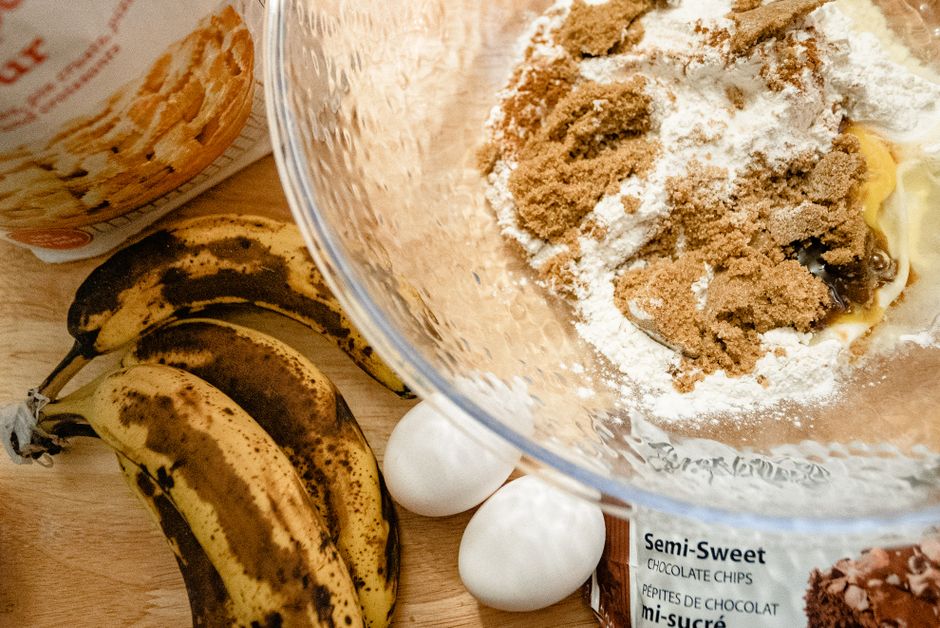
First and foremost, you need overripe bananas. The skins should be heavily speckled with black spots, or even completely black, as this indicates the starches have converted to sugar. If you want to experiment with different sweeteners, you can try a rich banana bread recipe brown sugar base to add deep caramel notes.
Next, the fat content is crucial for maintaining moisture. While butter provides a classic flavor, some bakers prefer alternative fats for texture. For instance, you could try a banana bread recipe greek yogurt variation for a tangy, protein-rich crumb, or even the surprisingly moist banana bread with mayonnaise recipe which keeps the loaf soft for days.
Finally, spices and mix-ins add personality to your bread. A dash of cinnamon and a handful of chopped walnuts can transform a basic loaf. If you love warm spices, you will definitely want to try a classic banana nut bread recipe with cinnamon to satisfy your cravings.
Best Bread Machine Banana Bread
Ingredients
- 3 medium overripe bananas, thoroughly mashed (about 1 cup)
- 1/3 cup unsalted butter, melted and cooled slightly
- 2 large eggs, room temperature and beaten
- 2 tablespoons whole milk
- 1 teaspoon pure vanilla extract
- 2 cups all-purpose flour
- 3/4 cup granulated white sugar (or packed light brown sugar)
- 1 teaspoon baking soda
- 1 teaspoon baking powder
- 1/2 teaspoon fine sea salt
- 1/2 teaspoon ground cinnamon
- 1/2 cup chopped walnuts or chocolate chips (optional)
Instructions
- Prep the Bananas: In a medium bowl, mash the overripe bananas with a fork until mostly smooth with only small chunks remaining.
- Mix Wet Ingredients: Whisk the melted butter, beaten eggs, milk, and vanilla extract into the mashed bananas.
- Combine Dry Ingredients: In a separate bowl, whisk together the all-purpose flour, sugar, baking soda, baking powder, salt, and ground cinnamon.
- Load the Bread Pan: Remove the bread pan from your machine. Pour the wet banana mixture into the bottom of the pan first, then spoon the dry ingredient mixture on top. (Adding wet ingredients first prevents dry flour pockets in the corners).
- Select Settings: Insert the pan back into the machine. Select the “Quick Bread” or “Cake” cycle. If your machine allows you to choose a crust color, select “Light” to prevent the edges from burning.
- Monitor the Mix: Start the machine. During the first 5 to 10 minutes of mixing, use a rubber spatula to gently scrape down the sides of the pan to ensure all flour is incorporated. Add the optional walnuts or chocolate chips when the machine beeps for mix-ins.
- Bake and Cool: Once the baking cycle is complete, insert a toothpick into the center of the loaf. If it comes out clean, the bread is done. Carefully remove the pan and let the bread cool inside the pan for 10 minutes before transferring it to a wire rack to cool completely.
Tips & Variations
- Gluten-Free: Substitute the all-purpose flour with a 1-to-1 gluten-free baking flour blend containing xanthan gum.
- Vegan Option: Use melted coconut oil instead of butter, plant-based milk, and flax eggs (2 tablespoons ground flaxseed mixed with 6 tablespoons water).
- Chocolate Lover’s: Fold in 1/2 cup of semi-sweet chocolate chips and substitute 2 tablespoons of flour with cocoa powder.
Storage
Store cooled banana bread in an airtight container at room temperature for up to 3 days, or wrap tightly in plastic wrap and foil to freeze for up to 3 months.
Nutrition (per serving)
Calories: 280 kcal | Carbohydrates: 44g | Protein: 4g | Fat: 10g | Saturated Fat: 5g | Cholesterol: 54mg | Sodium: 210mg | Fiber: 2g | Sugar: 20g
Troubleshooting Common Bread Machine Banana Bread Issues
Even with the best bread machine banana bread recipe, baking in a machine can sometimes present unique challenges. Because quick breads rely on chemical leaveners rather than yeast, they behave differently during the baking cycle. Understanding how to adjust your technique can save a ruined loaf.
One common issue is a soggy, undercooked center. This usually happens if your bananas were exceptionally large, adding too much moisture to the batter. If this occurs, you can run an extra “Bake Only” cycle for 10 to 15 minutes, or simply bake the loaf in a traditional oven at 350°F (175°C) for a short time to finish it.
Another frequent problem is dry flour pockets stuck in the corners of the bread pan. Because bread machine paddles are designed for yeast doughs, they sometimes miss the corners when mixing thick batter. To prevent this, always scrape the corners with a silicone spatula during the first few minutes of the mixing cycle.
Lastly, if your bread has burnt edges but a raw center, the heat setting on your machine may be too high. Next time, try using the “Light” crust setting, or wrap the outside of the bread pan with a layer of foil (if your machine manufacturer permits) to shield the batter from direct heat.
Creative Recipe Variations to Try
Once you master the basic recipe, you can start experimenting with different flavors and textures. The beauty of banana bread is its versatility, allowing you to adapt it to whatever ingredients you have in your pantry. Let us look at a few creative ways to upgrade your next loaf.
If you love quick shortcuts, you might also enjoy a classic banana bread recipe bisquick style, which uses baking mix to streamline the dry ingredients. This is a fantastic option if you run out of flour or baking powder but still want a delicious homemade treat.
For a richer, caramelized flavor profile, try swapping the white sugar for dark brown sugar and adding a pinch of nutmeg. This creates a deeply aromatic loaf that pairs beautifully with a hot cup of coffee. You can also toss in toasted pecans or macadamia nuts for an extra crunch.
If you are looking for a healthier alternative, try substituting half of the flour with white whole wheat flour. You can also replace the butter with unsweetened applesauce or mashed avocado. These swaps reduce the fat content while keeping the bread incredibly soft and tender.
Frequently Asked Questions (FAQs)
Can I use frozen bananas for this recipe?
Yes, frozen bananas work wonderfully for banana bread. Simply thaw them completely at room temperature before mashing. Be sure to include all the liquid that releases from the bananas as they thaw, as this contains valuable sugars and moisture.
What cycle should I use on my bread machine?
You should use the “Quick Bread” or “Cake” cycle on your machine. These cycles bypass the rising phases required for yeast breads and go straight from mixing to baking. If your machine does not have these settings, you can mix the batter by hand and use the “Bake Only” setting.
Why did my banana bread collapse in the middle?
A collapsed center is usually caused by too much leavening agent (baking soda or baking powder) or too much moisture. Make sure to measure your ingredients accurately using level cups. Additionally, avoid opening the bread machine lid during the baking phase, as the draft can cause the bread to fall.
Can I make this recipe gluten-free?
Absolutely. You can easily make this recipe gluten-free by using a high-quality 1-to-1 gluten-free baking flour. Avoid using single-ingredient flours like coconut or almond flour on their own, as they require different liquid ratios to bake properly.
How do I stop the mixing paddle from getting stuck in the bread?
To prevent the paddle from baking into the loaf, you can temporarily pause the machine after the final mixing cycle. Gently lift the batter with a spatula, remove the paddle from the shaft, smooth the batter back down, and resume the baking cycle.
Conclusion
Baking the best bread machine banana bread recipe is a simple, rewarding experience that brings the joy of fresh baking into your home with minimal effort. By understanding the role of your ingredients and how your machine operates, you can consistently create bakery-quality loaves that your family will love.
Whether you stick to the classic recipe or experiment with fun variations like chocolate chips or warm spices, your bread maker is sure to become your favorite kitchen assistant. So, gather those speckled bananas on your counter, dust off your bread machine, and start baking today!
