There is nothing quite like the comforting aroma of freshly baked banana bread wafting through the house on a lazy Sunday morning. That sweet, caramelized scent of ripe bananas and warm spices has a unique way of making any kitchen feel like a cozy sanctuary. For many of us, this classic bake is a staple, but what happens when you realize you are completely out of milk, or you are baking for someone with a dairy allergy? Fortunately, you do not need a single drop of dairy to create a loaf that is incredibly moist, tender, and bursting with rich banana flavor.
For years, home bakers have relied on milk to add moisture and tenderness to quick breads, but it is actually one of the easiest ingredients to bypass. In this comprehensive guide, we will explore how to make the ultimate banana bread recipe without milk that rivals any traditional version you have ever tasted. By using the natural moisture of overripe bananas and selecting the right fats, you can achieve a perfect crumb structure that stays soft for days. Let us roll up our sleeves, grab those speckled bananas on your counter, and dive into the art of dairy-free baking.
Whether you are a seasoned baker or a beginner looking for a foolproof recipe, this guide will walk you through every step of the process. We will discuss the science of dairy-free moisture, the importance of banana selection, and how to customize your loaf with delicious add-ins. Get ready to discover a new family favorite that everyone at your table can enjoy, regardless of dietary restrictions.
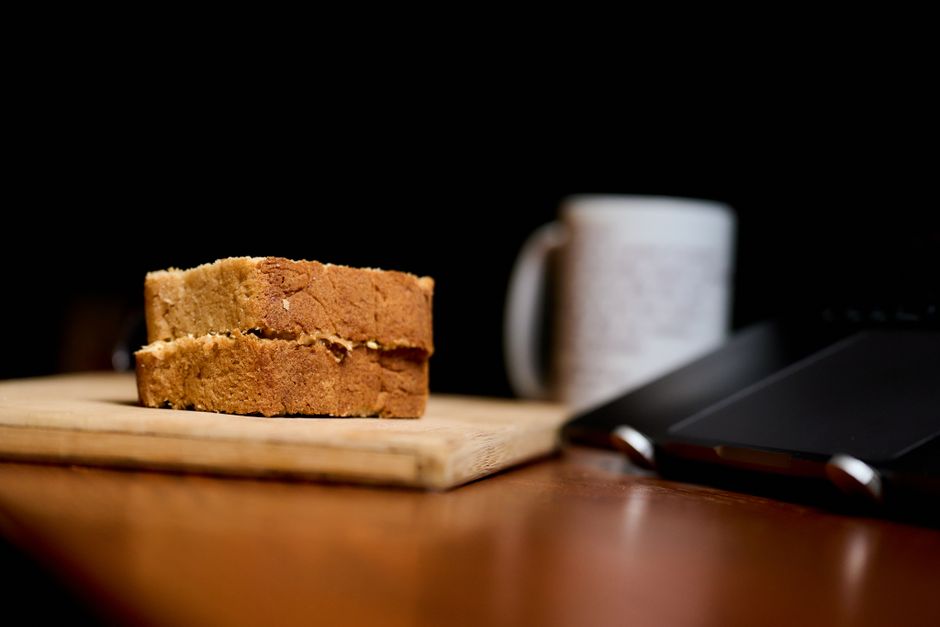
Why Bake Banana Bread Without Milk?
Many traditional quick bread recipes call for dairy milk to help hydrate the flour and activate the leavening agents. However, omitting milk from your banana bread is not just a compromise; in many cases, it actually improves the final product. Bananas themselves are packed with natural moisture, starches, and sugars that create a dense, fudgy texture when baked. Removing milk allows the pure, unadulterated flavor of the bananas to take center stage without being diluted by dairy proteins.
Furthermore, baking without milk makes this classic treat accessible to a wider audience, including those who are lactose intolerant or follow a vegan lifestyle. It also makes this recipe incredibly convenient for those moments when you want to bake on a whim but do not want to run to the grocery store for a fresh carton of milk. By relying on pantry staples like vegetable oil, sugar, and eggs, you can whip up a bakery-quality loaf at a moment’s notice.
If you are looking for other unique ways to keep your quick breads moist without relying on standard liquid dairy, you might be surprised by what works. For instance, some bakers swap out traditional fats for unexpected household ingredients, such as in this unique banana bread with mayonnaise recipe, which delivers an incredibly tender crumb. Understanding how different fats interact with flour is the key to mastering dairy-free baking.
The Science of Moisture in Dairy-Free Baking
To understand why this banana bread recipe without milk works so beautifully, it helps to look at the science of baking. In a standard cake or bread, gluten forms when flour mixes with liquid, giving the bake its structure. If you have too much liquid, the gluten can overdevelop, resulting in a tough or rubbery texture. In this dairy-free recipe, the mashed bananas act as both a liquid and a structural binder, reducing the need for additional fluids.
Fat is another crucial component that determines the moisture level and mouthfeel of your banana bread. While butter adds a lovely flavor, vegetable oils or coconut oil are actually superior at keeping cakes and quick breads moist for longer periods. Liquid oils coat the flour proteins more efficiently than solid fats, preventing excessive gluten formation and ensuring a melt-in-your-mouth texture. This means your dairy-free loaf will remain soft and delicious even three or four days after baking.
If you do happen to have dairy on hand but simply want to try a different texture, you can explore other moisture-boosting ingredients. For example, using cultured dairy products can yield a very tender crumb, as seen in this delicious banana bread recipe greek yogurt. However, for a completely milk-free and dairy-free option, sticking to plant-based oils and ripe fruit is your best path to success.
Choosing the Perfect Bananas
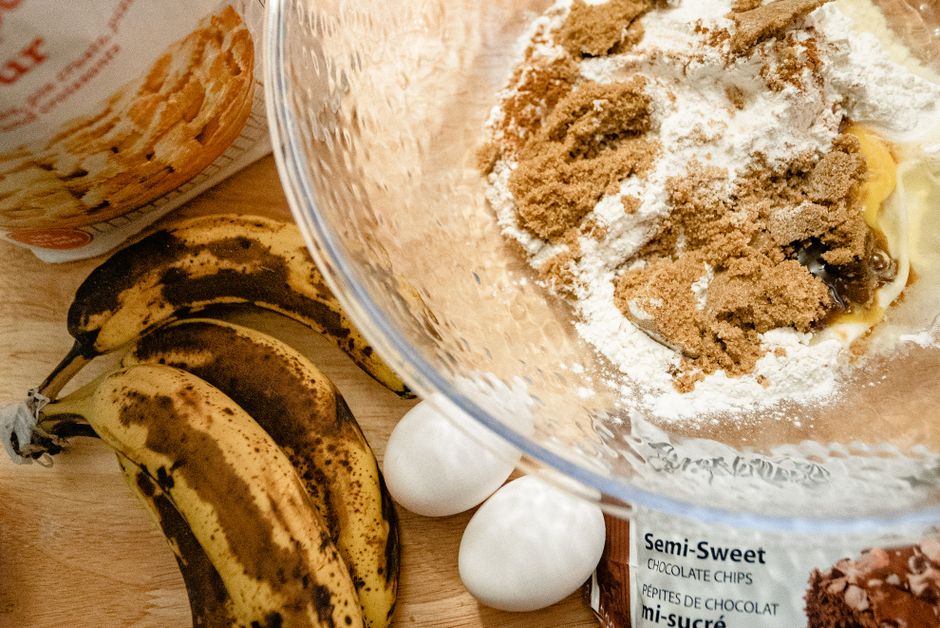
The absolute most important ingredient in any banana bread is, unsurprisingly, the bananas. For this banana bread recipe without milk, you cannot use yellow, pristine bananas straight from the grocery store display. You want bananas that look like they are past their prime—covered in brown speckles, soft to the touch, and incredibly fragrant. As bananas ripen, their starches convert into simple sugars, which makes them sweeter and easier to mash into a smooth puree.
If your bananas are completely black, do not throw them away; they are actually at the peak of sweetness for baking. The extra sugar in overripe bananas helps to caramelize the loaf as it bakes, creating that beautiful golden-brown crust we all love. If you find yourself with ripe bananas but do not have time to bake, simply peel them, pop them into a freezer-safe bag, and freeze them for later use. Just make sure to thaw them completely and drain off any excess watery liquid before mashing them into your batter.
If you are in a rush and only have yellow bananas, you can speed up the ripening process in your oven. Place the unpeeled bananas on a baking sheet lined with parchment paper and bake them at 300°F (150°C) for about 15 to 20 minutes until the skins turn completely black. Let them cool completely before peeling and mashing, and you will have sweet, soft bananas ready for your mixing bowl.
The Role of Sweeteners and Fats
When you are not using milk, the choice of sugars and fats becomes even more critical for flavor development. Using a combination of white granulated sugar and brown sugar is highly recommended for quick breads. Brown sugar contains molasses, which adds a deep, caramel-like flavor and introduces extra moisture into the batter, helping to keep the bread soft. For a deeper dive into how different sugars affect your bake, check out this guide on a classic banana bread recipe brown sugar.
For the fat component, neutral oils like canola, vegetable, or melted coconut oil work best in this recipe. Coconut oil adds a subtle, tropical sweetness that pairs beautifully with bananas, while vegetable oil keeps the flavor profile purely focused on the fruit. If you prefer the flavor of butter but still need to avoid dairy, high-quality vegan butter sticks can be melted and used in a one-to-one ratio.
Additionally, the spices you choose can elevate your bread from simple to extraordinary. A touch of cinnamon and vanilla extract are essential for highlighting the natural sweetness of the bananas. If you love warm spices and want to add some texture, you might also enjoy exploring a fragrant banana nut bread recipe with cinnamon for your next baking project.
Moist Dairy-Free Banana Bread
Ingredients
- 3 medium very ripe bananas, mashed (about 1 to 1.5 cups)
- 1/2 cup vegetable oil (or melted coconut oil)
- 1/2 cup packed light brown sugar
- 1/2 cup granulated white sugar
- 2 large eggs, room temperature
- 1 teaspoon pure vanilla extract
- 2 cups all-purpose flour
- 1 teaspoon baking soda
- 1/2 teaspoon fine sea salt
- 1 teaspoon ground cinnamon
- Optional: 1/2 cup chopped walnuts, pecans, or dairy-free chocolate chips
Instructions
- Preheat your oven to 350°F (175°C) and grease an 8.5 x 4.5-inch loaf pan with cooking spray or line it with parchment paper.
- In a large mixing bowl, mash the ripe bananas with a fork or potato masher until mostly smooth with only small chunks remaining.
- Whisk the vegetable oil, brown sugar, white sugar, eggs, and vanilla extract into the mashed bananas until the mixture is well combined and slightly pale.
- In a separate medium bowl, whisk together the all-purpose flour, baking soda, sea salt, and ground cinnamon.
- Gently fold the dry ingredients into the wet banana mixture using a rubber spatula just until combined; do not overmix, as this can make the bread dense.
- If using nuts or chocolate chips, gently fold them into the batter during the final few strokes of mixing.
- Pour the batter into your prepared loaf pan and smooth the top with your spatula.
- Bake for 55 to 65 minutes, or until the top is golden brown and a toothpick inserted into the center comes out clean or with just a few moist crumbs.
- Remove the pan from the oven and let it cool on a wire rack for 10 minutes before removing the loaf from the pan to cool completely.
Tips & Variations
- Gluten-Free: Swap the all-purpose flour for a high-quality 1-to-1 gluten-free baking flour blend containing xanthan gum.
- Vegan Option: Replace the two eggs with two flax eggs (2 tablespoons ground flaxseed mixed with 6 tablespoons water, set aside for 5 minutes to thicken) or 1/2 cup of unsweetened applesauce.
- Add-ins: Try adding shredded coconut, dried cranberries, or a swirl of peanut butter on top before baking.
Storage
Store the cooled banana bread in an airtight container at room temperature for up to 4 days. To freeze, wrap the cooled loaf tightly in plastic wrap, then foil, and freeze for up to 3 months. Thaw at room temperature before serving.
Nutrition (per serving)
Calories: 280 | Total Fat: 14g | Saturated Fat: 2g | Cholesterol: 41mg | Sodium: 210mg | Total Carbohydrates: 38g | Dietary Fiber: 2g | Sugars: 18g | Protein: 4g
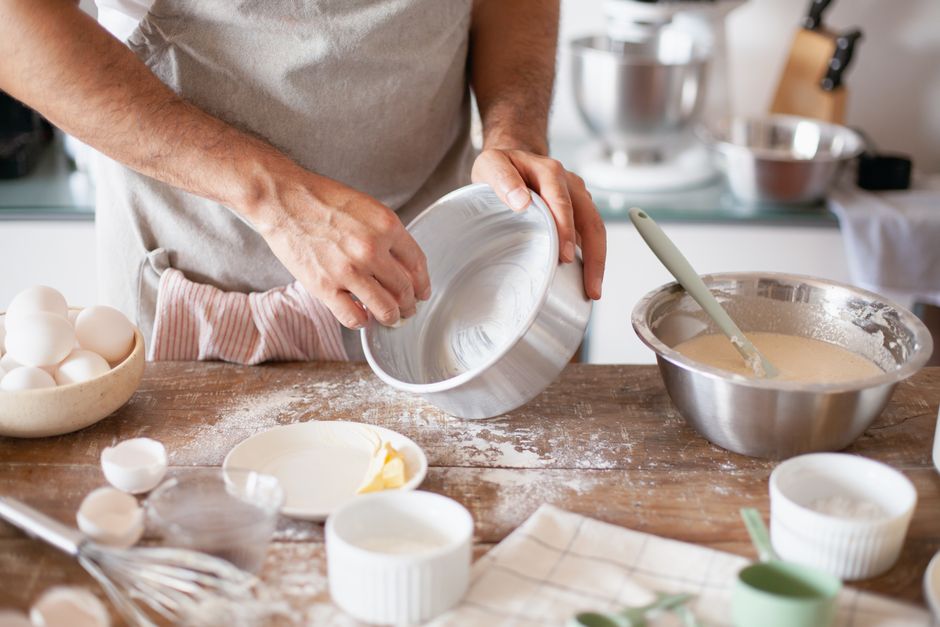
Step-by-Step Breakdown & Baking Tips
To ensure your banana bread recipe without milk turns out perfectly every single time, let us break down the key steps of the baking process. First, when mashing your bananas, decide what kind of texture you prefer. If you like pockets of sweet fruit throughout your bread, leave some small chunks; if you prefer a uniform, cake-like crumb, mash them until they are completely smooth. Using a hand mixer can speed up this process and yield a very consistent puree.
When mixing your wet and dry ingredients, the golden rule of quick breads is to avoid overmixing. Once the flour meets the wet ingredients, gluten begins to develop. If you stir the batter too vigorously or for too long, you will end up with a heavy, rubbery loaf with tunnels running through it. Mix with a spatula just until you no longer see streaks of dry flour, then stop immediately.
Baking time can vary significantly depending on your oven and the moisture content of your bananas. Start checking your loaf at the 50-minute mark by inserting a wooden toothpick or skewer into the center. If it comes out wet with batter, it needs more time; if it comes out clean or with a few dry crumbs, it is ready to be pulled from the oven. If you notice the top of the bread browning too quickly before the center is cooked, tent a piece of aluminum foil loosely over the top for the remaining baking time.
Variations to Customize Your Loaf
One of the best things about this banana bread recipe without milk is how versatile it is. You can easily adapt this base recipe to suit your cravings or dietary needs. For example, if you want a quicker way to prepare your batter without measuring out individual dry ingredients, you can learn how to adapt baking mixes with this handy banana bread recipe bisquick guide.
For a decadent twist, try adding a cup of dairy-free dark chocolate chips or chunks to the batter. The combination of sweet bananas and rich, melting chocolate is a match made in heaven. If you prefer a crunchier texture, toasted walnuts, pecans, or pumpkin seeds make fantastic additions that complement the soft crumb of the bread beautifully.
You can also experiment with different spices to change the flavor profile. While cinnamon is the classic choice, adding a pinch of nutmeg, cardamom, or ground ginger can give your banana bread a sophisticated, spiced twist. A teaspoon of orange zest folded into the batter can also add a bright, citrusy note that cuts through the sweetness of the bananas.
Frequently Asked Questions
Can I use water instead of milk in banana bread?
Yes, you can use water, but it is generally unnecessary because the mashed bananas provide plenty of moisture on their own. If your batter feels exceptionally dry due to smaller bananas, you can add one or two tablespoons of water or orange juice to loosen it up, but do not add too much or the bread will become soggy.
What can I use instead of milk to keep the bread moist?
Vegetable oil, coconut oil, and apple sauce are excellent alternatives to milk for maintaining moisture. Because oil remains liquid at room temperature, it keeps the bread softer for a longer period than butter or milk would. The natural pectin and moisture in the bananas also do most of the work to keep the crumb tender.
Can I make this recipe gluten-free?
Absolutely. You can substitute the all-purpose flour with a 1-to-1 gluten-free baking flour blend. Make sure the blend you choose contains xanthan gum, which helps mimic the structure of gluten and keeps the bread from crumbling too easily. Do not use single-ingredient flours like almond or coconut flour as a direct swap, as they absorb moisture differently.
Why did my banana bread sink in the middle?
A sunken center usually happens if the bread was underbaked or if there was too much moisture in the batter. Make sure to measure your mashed bananas accurately, as too much fruit can make the batter too heavy to rise properly. Always test the center of the loaf with a toothpick before removing it from the oven to ensure it is fully baked.
How do I store dairy-free banana bread?
Keep the completely cooled loaf in an airtight container or wrap it tightly in plastic wrap. It will stay fresh at room temperature for up to 4 days. If you want to keep it longer, slice the loaf, wrap individual slices in plastic wrap, and freeze them in a zip-top bag for up to 3 months. You can toast individual slices directly from the freezer for a quick breakfast.
Conclusion
Baking a delicious, bakery-worthy loaf does not require a fridge full of dairy. This simple banana bread recipe without milk proves that with just a few pantry staples and some very ripe bananas, you can create a treat that is incredibly moist, flavorful, and satisfying. It is the perfect recipe to have in your back pocket for weekend baking, holiday gifting, or simply using up those bananas that have been sitting on your counter for a bit too long.
By understanding how fats and sugars interact with the natural moisture of the fruit, you can bake with confidence, knowing your loaf will turn out perfectly every time. So the next time you find yourself without milk, do not hesitate to preheat your oven and get baking. Share a warm slice with your loved ones, and enjoy the simple pleasure of home-cooked comfort food at its finest.
