There is something incredibly comforting about the aroma of freshly baked banana bread wafting through the house on a lazy Sunday morning. For years, I stuck to traditional recipes, but my journey into grain-free baking led me to experiment with alternative flours. That is how I fell in love with this moist, delicious, and naturally sweetened loaf.
If you have ever tried baking with grain-free flours, you know it can be a bit of a science experiment. However, this banana bread recipe with coconut flour strikes the perfect balance of moisture, sweetness, and structure. It is a wonderful option for anyone looking to cut down on grains without sacrificing the classic texture we all love.
In this comprehensive guide, we will explore the unique properties of coconut flour and how to use it successfully. You will also find a foolproof recipe, helpful troubleshooting tips, and creative variations to try in your own kitchen. Let’s get baking!
Why You Will Love This Banana Bread Recipe with Coconut Flour
First and foremost, this recipe is naturally gluten-free and grain-free, making it suitable for a variety of dietary preferences. Coconut flour is packed with dietary fiber and protein, which means this bread is much more filling than standard quick breads. It also has a lower glycemic impact, helping you avoid the dreaded sugar crash.
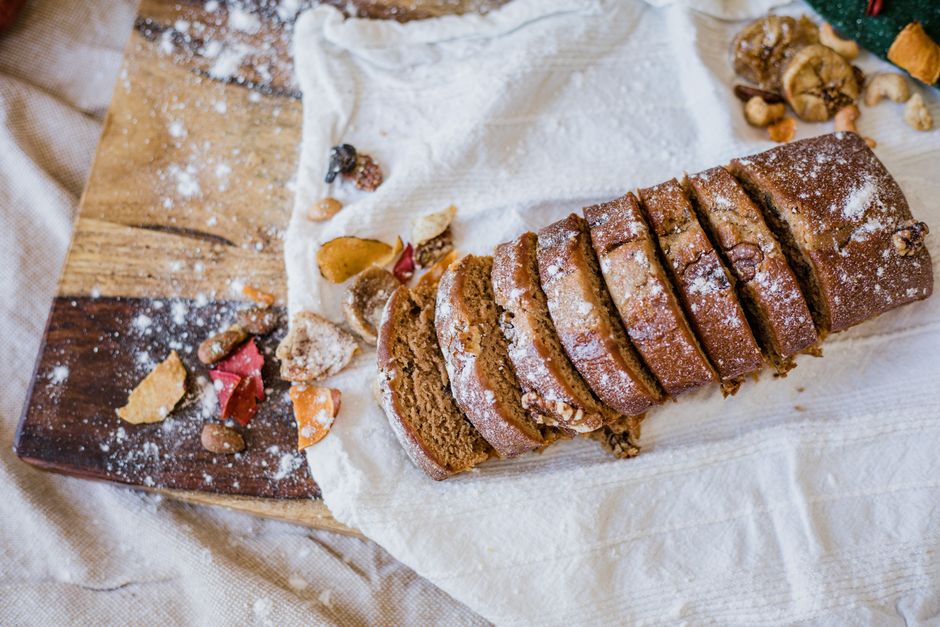
Unlike some dry and crumbly gluten-free bakes, this loaf remains incredibly moist and tender for days. The natural sweetness of the ripe bananas shines through, allowing us to use minimal added sweeteners. It is a wholesome treat that feels indulgent but is actually packed with nourishing ingredients.
If you are used to using a convenient banana bread recipe bisquick style, switching to coconut flour might seem intimidating at first. Rest assured, this recipe is just as simple to whip up, requiring only a single bowl and a few basic pantry staples. You do not need to be an expert baker to achieve a perfect, golden-brown loaf.
Understanding Coconut Flour in Baking
Coconut flour is a unique ingredient that does not behave like wheat flour, oat flour, or even almond flour. It is made from dried, defatted coconut meat and is exceptionally absorbent, acting almost like a sponge in batters. Because of this, you cannot simply swap it 1:1 for all-purpose flour in your favorite recipes.
To compensate for its high absorbency, coconut flour recipes require a significant amount of liquid and eggs. The eggs are crucial because they provide the necessary structure, lift, and moisture that gluten normally offers. Without enough eggs, a coconut flour loaf will crumble into pieces the moment you try to slice it.
When mixing your batter, you might notice that it looks much wetter than traditional batter at first. Do not panic and add more flour immediately; coconut flour takes a few minutes to fully absorb the liquids. Allowing the batter to rest for five minutes before baking is the secret to getting the texture just right.
Key Ingredients for the Perfect Loaf
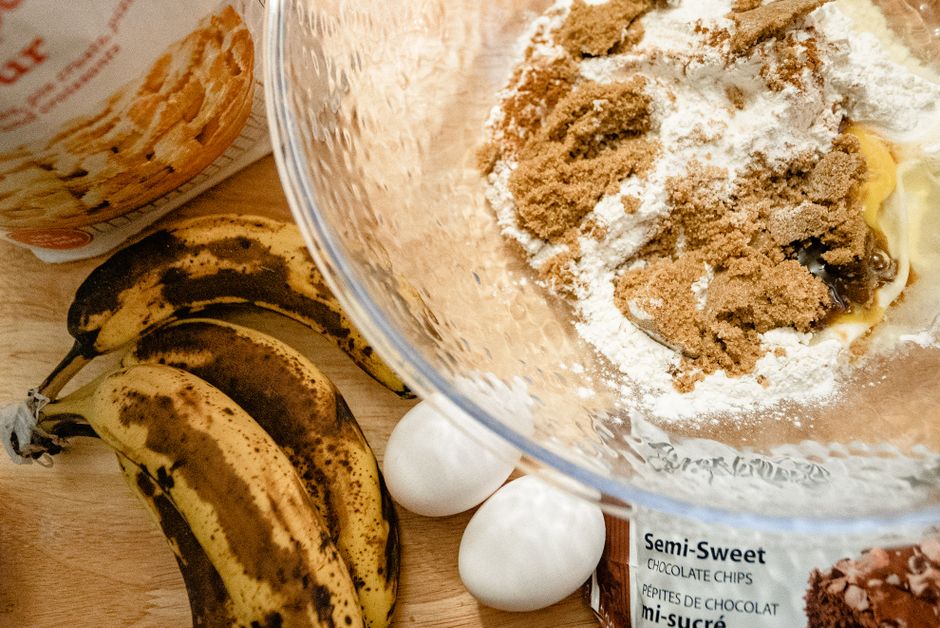
To make the best banana bread recipe with coconut flour, you will need a few key ingredients that work together harmoniously. The star of the show, of course, is the bananas, which must be heavily speckled or completely brown. Ripe bananas provide the necessary moisture, binding power, and natural sweetness for the batter.
Next, you will need high-quality coconut flour; make sure to sift it to remove any stubborn lumps before measuring. For the fat, melted coconut oil or unsalted butter works beautifully to add richness and keep the crumb tender. Some bakers like to experiment with alternative fats, similar to how they might make a banana bread with mayonnaise recipe, but coconut oil keeps this version clean and light.
For the sweetener, we use a touch of pure maple syrup or honey to complement the bananas. This is a lighter alternative to a traditional banana bread recipe brown sugar base, keeping the refined sugars to a minimum. Finally, a dash of warm cinnamon and real vanilla extract will elevate the flavor profile to bakery-level quality.
Healthy Coconut Flour Banana Bread
Ingredients
- 3 medium overripe bananas, thoroughly mashed (about 1 cup)
- 4 large eggs, room temperature
- 1/4 cup melted coconut oil (or unsalted butter)
- 1/4 cup pure maple syrup (or honey)
- 1 teaspoon pure vanilla extract
- 1/2 cup coconut flour, sifted
- 1 teaspoon baking soda
- 1/2 teaspoon ground cinnamon
- 1/4 teaspoon fine sea salt
- 1/2 cup chopped walnuts or dark chocolate chips (optional)
Instructions
- Preheat your oven to 350°F (175°C) and line an 8×4-inch loaf pan with parchment paper, leaving an overhang on the sides for easy removal.
- In a large mixing bowl, mash the ripe bananas with a fork or potato masher until smooth.
- Whisk the eggs, melted coconut oil, maple syrup, and vanilla extract into the mashed bananas until the mixture is fully combined.
- In a separate bowl, stir together the sifted coconut flour, baking soda, cinnamon, and sea salt.
- Pour the dry ingredients into the wet ingredients and stir well until no flour pockets remain. Let the batter sit for 5 minutes to thicken.
- If using, gently fold in the chopped walnuts or dark chocolate chips.
- Spread the batter evenly into the prepared loaf pan, smoothing the top with a spatula.
- Bake for 45 to 50 minutes, or until the top is golden brown and a toothpick inserted into the center comes out clean.
- Remove from the oven and let the bread cool in the pan for 10 minutes, then lift it out using the parchment paper and transfer to a wire rack to cool completely before slicing.
Tips & Variations
Make sure your eggs are at room temperature so they do not solidify the melted coconut oil when mixed. If you love a spiced kick, you can add a pinch of nutmeg or cardamom to the dry ingredients, mimicking the warm flavors of a classic banana nut bread recipe with cinnamon.
Storage
Store any leftover slices in an airtight container in the refrigerator for up to 5 days. For longer storage, wrap individual slices in plastic wrap and freeze them in a zip-top bag for up to 3 months.
Nutrition (per serving)
Calories: 180 | Fat: 9g | Carbohydrates: 20g | Fiber: 5g | Protein: 5g
Step-by-Step Guide to Making Coconut Flour Banana Bread
To ensure your banana bread turns out perfectly every single time, it helps to understand the physical changes the batter goes through. When you first mix the wet and dry ingredients, you might think the batter is too runny. This is normal; coconut flour is incredibly fibrous and absorbs liquid gradually over several minutes.
Letting the batter rest for five minutes before pouring it into the pan is a crucial step that many beginners skip. During this resting period, the coconut flour hydrates fully, which prevents the bread from having a gritty texture. It also helps the baking soda activate properly, ensuring a nice rise in the oven.
When placing the pan in the oven, position it on the middle rack to allow for even heat distribution. Because coconut flour browns quickly, keep an eye on the loaf around the 35-minute mark. If the top is getting too dark but the center is still wet, tent a piece of aluminum foil loosely over the top for the remaining baking time.
Customizing Your Banana Bread: Variations to Try
One of the best things about this banana bread recipe with coconut flour is how customizable it is. If you want to boost the protein content, you can stir in a spoonful of collagen peptides or serve it alongside a dollop of yogurt, similar to the texture profile of a banana bread recipe greek yogurt. You can also swap the walnuts for pecans, pumpkin seeds, or shredded coconut.
For a chocolate-forward version, fold in a half-cup of dark chocolate chips and sprinkle a few extra on top before baking. The combination of sweet bananas, rich chocolate, and the subtle tropical note of coconut flour is absolutely heavenly. You could even add a tablespoon of cocoa powder to the batter for a double-chocolate twist.
If you prefer a spiced version, double the cinnamon and add a pinch of ground ginger and cloves. This creates a deeply aromatic loaf that pairs beautifully with a hot cup of coffee or tea. No matter how you choose to customize it, the base recipe remains sturdy and delicious.
Troubleshooting Common Coconut Flour Baking Issues
Baking with coconut flour can sometimes present a few challenges if the measurements are not precise. If your banana bread turns out soggy or wet in the middle, it usually means the bananas were too large or you did not bake it long enough. Always use medium-sized bananas and rely on the toothpick test rather than just the timer.
On the hand, if your loaf is too dry and crumbly, it is likely that the coconut flour was packed into the measuring cup. Always fluff your flour with a fork and spoon it gently into the measuring cup before leveling it off. Additionally, make sure you did not accidentally use smaller eggs, as they provide the necessary liquid binder.
Lastly, if the bread sinks in the middle as it cools, it could be due to expired baking soda or opening the oven door too early. Keep the oven door closed for the first 35 minutes of baking to maintain a stable temperature. Let the loaf cool completely before slicing, as it continues to set and firm up as it cools down.
Frequently Asked Questions
Can I substitute coconut flour 1:1 with regular flour?
No, you cannot substitute coconut flour 1:1 with all-purpose or any other grain flour. Coconut flour absorbs significantly more liquid, so swapping it directly will result in an incredibly dry, crumbly, and unusable bake. If you want to use standard flour, it is best to find a recipe specifically formulated for it.
How do I make this recipe vegan?
Replacing the eggs in coconut flour recipes can be tricky because the flour relies heavily on eggs for structure. While you can try using flax eggs or chia eggs, the loaf will be much denser and wetter. For a vegan option, it is often easier to use a recipe designed around almond flour or a gluten-free oat flour blend.
Why does my banana bread taste like eggs?
Because coconut flour requires a high ratio of eggs to hold together, some sensitive palates might notice a slight egg flavor. To minimize this, ensure you are using fresh, high-quality eggs and add a generous amount of cinnamon and vanilla extract. The spices and the sweetness of the bananas will easily mask the egg taste.
Can I use frozen bananas for this recipe?
Yes, you can absolutely use frozen bananas for this loaf. Just make sure to thaw them completely and include all the liquid that releases as they defrost, as this liquid contains essential moisture and sweetness. Mash them well before mixing them into the batter.
How should I serve this coconut flour banana bread?
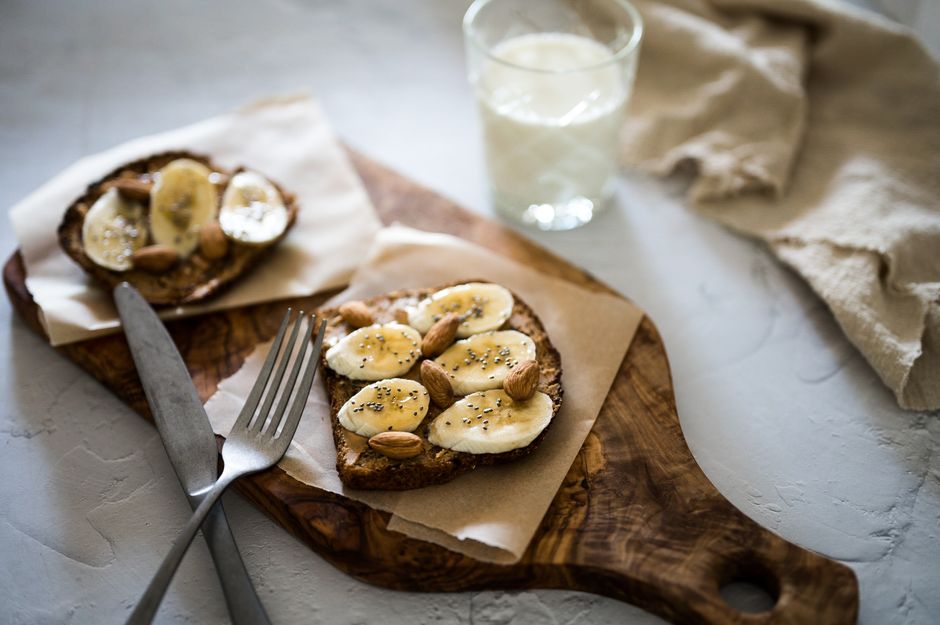
This bread is delicious served warm right out of the oven, but it tastes even better the next day once the flavors have melded. Try toasting a slice and spreading it with almond butter, grass-fed butter, or a splash of honey. It also makes a fantastic, quick grab-and-go breakfast on busy weekday mornings.
Conclusion
Mastering grain-free baking does not have to be complicated or yield disappointing results. This banana bread recipe with coconut flour proves that you can enjoy a moist, sweet, and satisfying loaf while keeping your ingredients wholesome and clean. It is a recipe that both gluten-free and traditional eaters will love equally.
By understanding the unique properties of coconut flour and following these simple steps, you will yield a perfect loaf every time. So grab those overripe bananas sitting on your counter and give this recipe a try. Happy baking, and enjoy every single delicious bite!
