There is nothing quite like the comforting aroma of freshly baked banana bread wafting through the kitchen. It is a scent that immediately evokes warmth, home, and nostalgia. For those of us who jumped onto the sourdough baking train, there is another constant presence in our kitchens: the crock of sourdough starter sitting on the counter or resting in the refrigerator. While baking artisan sourdough boules is deeply rewarding, the regular feeding schedule inevitably leaves us with a jar of sourdough discard. Throwing this discard away feels like a waste of flour, time, and potential flavor.
Fortunately, that tangy, bubbly discard is a secret weapon in the baking world. Instead of washing it down the drain, you can use it to elevate classic baked goods to a whole new level. This sourdough discard banana bread recipe is the ultimate solution for utilizing your leftover starter. The natural acidity of the discard works wonders on the texture and flavor of the bread, creating a loaf that is incredibly moist, tender, and complex in taste. Once you try this version, you may never go back to making traditional banana bread again.
In this comprehensive guide, we will walk you through the science behind baking with sourdough discard, explore the key ingredients that make this recipe shine, and provide a foolproof step-by-step recipe. We will also share customization options, storage tips, and answers to the most frequently asked questions. Grab your mixing bowls, gather those spotty brown bananas, and let us dive into the wonderful world of sourdough discard baking.
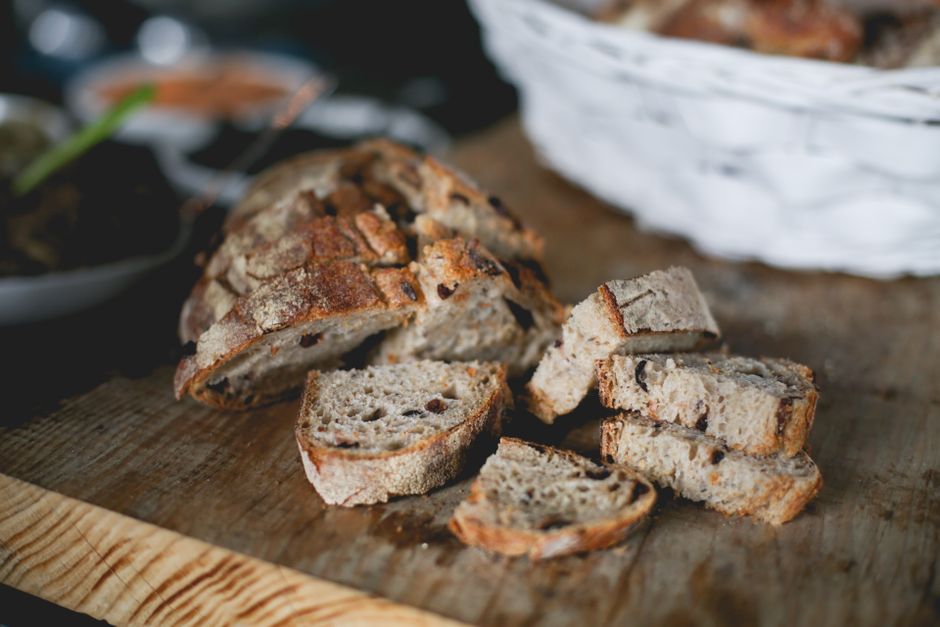
Why Use Sourdough Discard in Banana Bread?
You might wonder why you should add sourdough discard to a quick bread that traditionally relies on baking soda or baking powder for its rise. The answer lies in both flavor and chemistry. Sourdough discard contributes a subtle, complex tanginess that beautifully balances the intense sweetness of overripe bananas. It prevents the bread from tasting cloyingly sweet, adding a sophisticated depth of flavor that you cannot get from sugar and bananas alone. If you have ever tried a quick banana bread recipe bisquick style, you will immediately notice that this sourdough version has a much richer, bakery-quality profile.
Beyond flavor, sourdough discard acts as a natural dough conditioner. The lactic acid present in the discard breaks down gluten strands slightly, resulting in an incredibly tender crumb. It also helps retain moisture, meaning your banana bread will stay soft and delicious for days after baking. The acidity in the discard also reacts beautifully with baking soda, giving the batter an extra boost of leavening power that ensures a tall, proud loaf with a perfect dome.
The Science of Baking with Sourdough Discard
Understanding how sourdough discard interacts with other ingredients can help you become a better, more intuitive baker. Quick breads rely on chemical leaveners like baking soda and baking powder to rise, rather than the wild yeast found in an active sourdough starter. When we use sourdough discard in a quick bread, we are primarily using it for its flavor, acidity, and moisture content, rather than its leavening power.
Acidity and Leavening
Sourdough discard is highly acidic due to the presence of lactic and acetic acids produced by the lactic acid bacteria in the culture. When this acidic discard is mixed with baking soda (which is alkaline), a chemical reaction occurs. This reaction produces carbon dioxide gas bubbles, which expand in the oven and cause the batter to rise. Because the discard provides plenty of acid, it ensures that the baking soda is fully activated, resulting in a light, airy crumb structure rather than a dense, heavy loaf.
Texture and Moisture
The fermentation process that occurs in sourdough starter breaks down some of the starches and proteins in the flour. This makes the flour in the discard highly hydrated and capable of holding onto moisture during the baking process. When added to banana bread batter, the discard helps lock in moisture, preventing the bread from drying out. This moisture-retaining quality is very similar to the effect you get when using a banana bread recipe greek yogurt, producing a crumb that is dense yet soft and melts in your mouth.
Essential Ingredients for the Perfect Loaf
To make the absolute best sourdough discard banana bread, you need to start with high-quality ingredients. Each component plays a vital role in the final texture, flavor, and appearance of your loaf. Let us take a closer look at what you will need.
- Overripe Bananas: The star of the show. Your bananas should be heavily speckled with black spots, or even completely black. As bananas ripen, their starches convert to sugars, making them sweeter and easier to mash. They also develop a stronger banana aroma that infuses the entire loaf.
- Sourdough Discard: You can use discard that is cold straight from the fridge or at room temperature. It does not need to be active or bubbly. Both 100% hydration white flour starters and whole grain starters work beautifully in this recipe.
- The Fat: Melted butter adds a rich, classic flavor to the bread. However, if you prefer an ultra-moist loaf, you can substitute oil or even experiment with a unique twist like a banana bread with mayonnaise recipe to add fat and moisture.
- The Sugars: Using a combination of white granulated sugar and brown sugar yields the best results. A traditional banana bread recipe brown sugar base provides molasses notes that complement the bananas and sourdough tang, while also keeping the bread moist.
- Flour: Unbleached all-purpose flour is the standard choice. It provides just enough structure without making the bread tough.
- Leaveners and Spices: Baking soda is essential to react with the acidic discard. A touch of salt enhances all the flavors, and a generous pinch of cinnamon adds warmth and comfort.
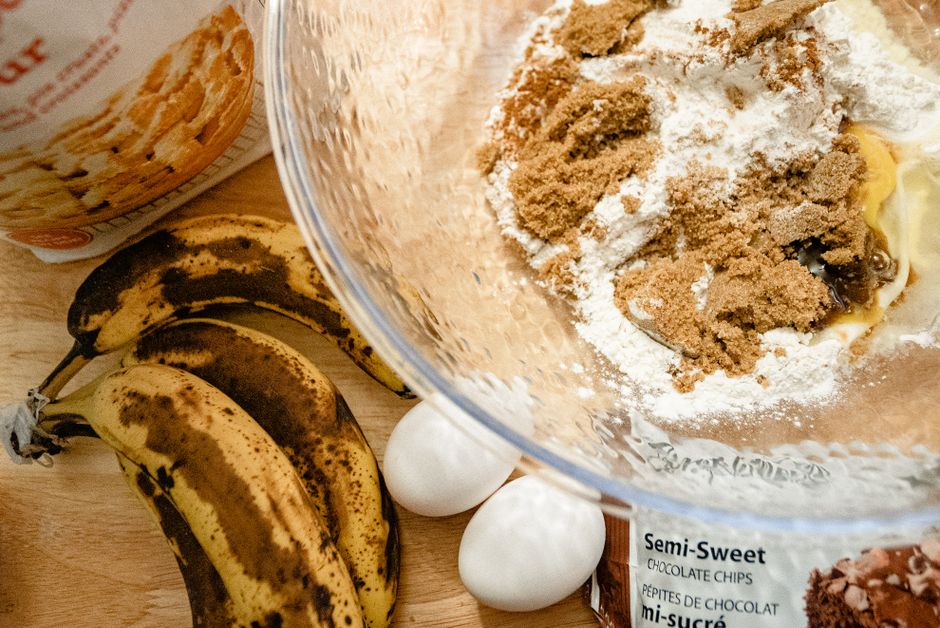
Sourdough Discard Banana Bread
Ingredients
- 3 medium overripe bananas, mashed (about 1 cup or 225g)
- 1/2 cup (113g) unsalted butter, melted and cooled slightly
- 1/2 cup (100g) granulated white sugar
- 1/2 cup (100g) packed light brown sugar
- 2 large eggs, room temperature
- 1/2 cup (120g) sourdough discard (unfed, room temperature or cold)
- 1 teaspoon vanilla extract
- 2 cups (240g) all-purpose flour
- 1 teaspoon baking soda
- 1/2 teaspoon fine sea salt
- 1 teaspoon ground cinnamon
- 1/2 cup (60g) chopped walnuts or pecans (optional)
- 1/2 cup (90g) semi-sweet chocolate chips (optional)
Instructions
- Preheat your oven to 350°F (175°C). Grease a 9×5-inch loaf pan with butter or non-stick cooking spray, or line it with parchment paper leaving an overhang for easy removal.
- In a large mixing bowl, mash the overripe bananas with a fork or potato masher until smooth with only a few small chunks remaining.
- Add the melted butter, granulated sugar, and brown sugar to the mashed bananas. Whisk vigorously until the mixture is well combined and slightly pale.
- Whisk in the eggs one at a time, followed by the sourdough discard and vanilla extract. Stir until the wet ingredients form a smooth, cohesive mixture.
- In a separate medium bowl, whisk together the all-purpose flour, baking soda, salt, and ground cinnamon.
- Pour the dry ingredients into the wet ingredients. Using a spatula, gently fold the mixture together until just combined. Be careful not to overmix; a few streaks of flour are perfectly fine at this stage.
- If using, gently fold in the chopped walnuts, pecans, or chocolate chips.
- Pour the batter into your prepared loaf pan and smooth the top with a spatula. If desired, sprinkle a few extra chocolate chips or chopped nuts on top for visual appeal.
- Bake in the preheated oven for 55 to 65 minutes, or until a toothpick inserted into the center of the loaf comes out clean or with just a few moist crumbs attached.
- Remove the pan from the oven and place it on a wire cooling rack. Let the bread cool in the pan for 10 minutes, then carefully lift it out and place it directly on the rack to cool completely before slicing.
Tips & Variations
- Mix-ins: For a cozy, spiced twist, try a banana nut bread recipe with cinnamon and toasted walnuts. You can also add dried cranberries, shredded coconut, or white chocolate chips.
- Gluten-Free Option: Substitute the all-purpose flour with a high-quality 1-to-1 gluten-free baking flour blend. Ensure your sourdough discard is also made from gluten-free flour.
- Vegan Option: Replace the eggs with flax eggs (2 tablespoons ground flaxseed mixed with 5 tablespoons water) and use melted coconut oil or vegan butter in place of dairy butter.
- Sourdough Age: The older and more acidic your discard is, the tangier your bread will taste. If you prefer a milder flavor, use fresh discard that is only a day or two old.
Storage
Store any leftover banana bread in an airtight container at room temperature for up to 4 days. To keep it longer, wrap the loaf tightly in plastic wrap and aluminum foil, then freeze it for up to 3 months. Thaw at room temperature before serving.
Nutrition (per serving)
Calories: 290 kcal | Carbohydrates: 48g | Protein: 4g | Fat: 10g | Saturated Fat: 6g | Cholesterol: 55mg | Sodium: 260mg | Fiber: 2g | Sugar: 24g
Step-by-Step Guide to Making Sourdough Discard Banana Bread
While the recipe card provides the basic steps, executing them with care will ensure your loaf turns out perfect every single time. Quick breads are simple to make, but they are also sensitive to mixing techniques and oven temperatures. Let us explore the key steps in detail so you can bake with absolute confidence.
First, let us talk about mashing the bananas. The texture of your mashed bananas will dictate the final crumb of your bread. If you prefer a completely uniform crumb, mash the bananas thoroughly until they resemble a smooth puree. If you enjoy pockets of sweet, jammy banana throughout your loaf, leave a few small chunks intact. Mixing the sugars and melted butter with the bananas first helps dissolve the sugar crystals, which leads to a shinier, more caramelized crust on the baked loaf.
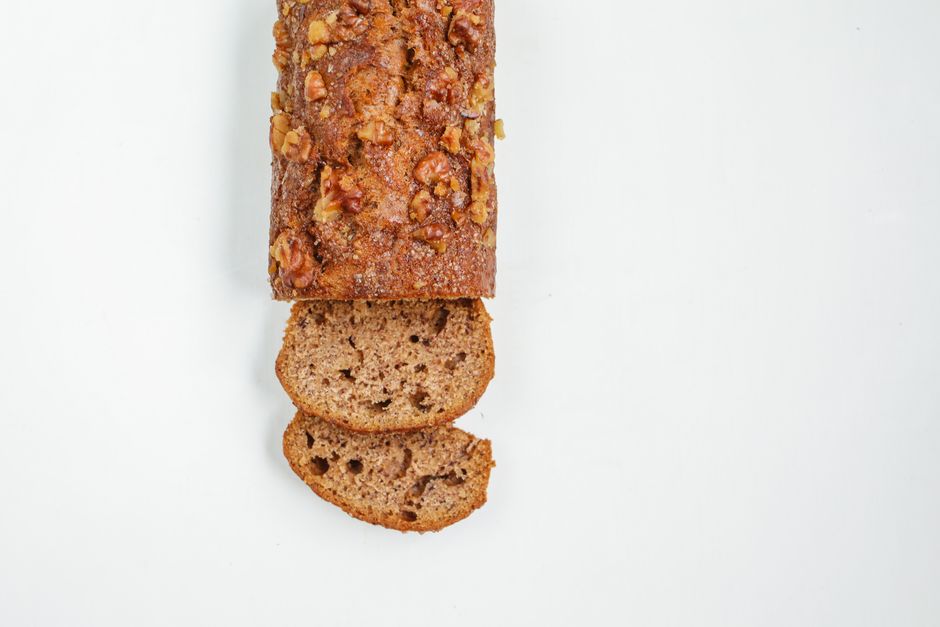
When it comes to combining the wet and dry ingredients, gentleness is key. Overmixing quick bread batter activates the gluten proteins in the flour, which can lead to a tough, rubbery, or dense loaf. Use a rubber spatula to fold the dry ingredients into the wet mixture using a figure-eight motion. Stop mixing the very moment you no longer see dry pockets of flour. If you are adding nuts or chocolate chips, toss them with a teaspoon of flour before folding them in; this prevents them from sinking to the bottom of the loaf pan during baking.
Customizing Your Banana Bread
One of the best things about this sourdough discard banana bread recipe is how versatile it is. You can easily adapt the base recipe to suit your cravings or accommodate dietary restrictions. The sourdough discard provides a sturdy foundation that holds up well to various additions and substitutions.
If you love chocolate, try adding a half-cup of dark chocolate chunks and a tablespoon of cocoa powder to the batter for a rich, marbled effect. For a tropical twist, fold in unsweetened shredded coconut and chopped dried pineapple. If you want to boost the protein content, you can stir in a tablespoon of chia seeds or flaxseeds. You can also experiment with different spices like nutmeg, cardamom, or allspice to create a unique flavor profile that changes with the seasons.
Frequently Asked Questions (FAQ)
Can I use active sourdough starter instead of discard?
Yes, you can absolutely use active, bubbly sourdough starter in this recipe. Because active starter is less acidic than older discard, your banana bread may have a slightly milder tang, but it will still turn out incredibly moist and delicious. You do not need to adjust the amount of baking soda or other ingredients.
How long does sourdough discard keep in the fridge?
Sourdough discard can be stored in an airtight container in the refrigerator for up to two weeks. Over time, a dark liquid called “hooch” may form on top. This is simply alcohol produced by the wild yeast and is completely harmless. You can either stir it back into the discard for a tangier flavor or pour it off before using the discard in your recipe.
Why did my banana bread sink in the middle?
A sunken center is usually caused by one of three things: underbaking, using too much leavening agent, or opening the oven door too early in the baking process. Ensure your baking soda is fresh, and always test the center of the loaf with a toothpick or cake tester before removing it from the oven. If the top is browning too quickly but the center is still wet, tent the loaf pan loosely with aluminum foil and continue baking.
Can I make muffins with this recipe?
Yes, this batter translates beautifully into muffins. Line a standard 12-cup muffin tin with paper liners or grease the cups well. Divide the batter evenly among the cups and bake at 375°F (190°C) for 18 to 22 minutes, or until a toothpick inserted into the center of a muffin comes out clean. Muffins are a great option for quick, grab-and-go breakfasts.
Does this bread taste strongly of sourdough?
No, the bread does not taste sour like a slice of sourdough sandwich bread. Instead, the sourdough discard provides a subtle, pleasant tang that cuts through the sweetness of the bananas and sugar. It enhances the overall flavor profile, making it taste richer and more complex without being overtly sour.
Conclusion
Baking with sourdough discard is a wonderful way to reduce kitchen waste while introducing incredible depth of flavor and moisture to your favorite baked goods. This sourdough discard banana bread recipe is a prime example of how simple ingredients can be transformed into something truly extraordinary. With its moist crumb, caramelized crust, and balanced sweetness, it is sure to become a staple in your baking rotation.
Whether you enjoy it warm out of the oven with a smear of salted butter, toasted for breakfast, or packed in a lunchbox for an afternoon treat, this bread never fails to satisfy. The next time you feed your sourdough starter, do not throw away the discard. Save it, grab some ripe bananas, and bake a loaf of this comforting, delicious bread. Happy baking!
