Few things in life compare to the comforting aroma of freshly baked banana bread wafting through the kitchen. It is a sensory experience that instantly evokes feelings of warmth, home, and nostalgia. While traditional recipes often rely on butter, swapping it out for olive oil elevates this classic bake into something truly extraordinary.
Using olive oil in baking is a time-honored tradition in Mediterranean cultures, and it works wonders in quick breads. This ingredient choice ensures your loaf remains incredibly moist for days, while adding a subtle complexity that balances the sweetness of the fruit. If you are looking to upgrade your baking repertoire, this olive oil banana bread recipe is the perfect place to start.
In this comprehensive guide, we will explore the science behind baking with olive oil, choose the best ingredients, and walk through the steps to create a perfect loaf. Whether you are an experienced baker or a beginner, you will find tips and variations here to make this recipe your own. Let us preheat our ovens and dive into the delicious details.
Why Olive Oil Makes the Best Banana Bread
Many bakers default to butter for their quick breads, but vegetable oils actually yield a superior texture. Butter contains water and milk solids, which can evaporate during the baking process and sometimes leave the bread slightly dry. In contrast, olive oil is one hundred percent fat, which coats the flour proteins and prevents excess gluten formation.
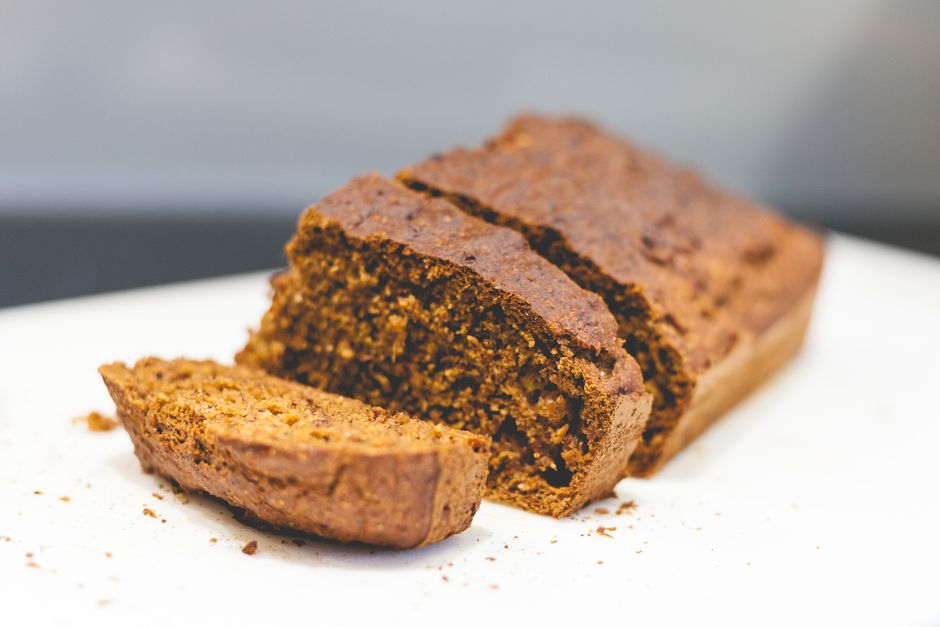
This scientific reaction results in a crumb that is exceptionally tender, light, and fluffy. Furthermore, because olive oil remains liquid at room temperature, your banana bread will stay moist and soft for days after baking. You will never have to worry about a dry, crumbly slice when using this method.
Beyond texture, olive oil introduces a beautiful depth of flavor to the batter. A high-quality oil offers fruity, floral, or even slightly peppery notes that complement the natural sweetness of ripe bananas. It cuts through the heavy sugar profile, creating a more balanced and sophisticated dessert or breakfast treat.
Choosing the Right Olive Oil for Baking
When selecting an oil for this olive oil banana bread recipe, the variety you choose will impact the final flavor profile. Extra virgin olive oil is the least processed variety and retains the most natural flavor compounds. For baking, look for an extra virgin olive oil that is described as “mild,” “fruity,” or “buttery.”
Varieties made from Arbequina or Mission olives are excellent choices because they have a softer, sweeter finish. Avoid highly robust or pungent oils, as their intense peppery kick can overpower the delicate banana flavor. If you prefer a completely neutral taste, you can use a light olive oil, which has been refined to remove most of the olive flavor.
Using a high-quality oil not only improves the taste but also adds healthy monounsaturated fats and antioxidants to your bake. This makes your morning slice of banana bread feel a little more nourishing. Whichever oil you choose, ensure it is fresh, as old olive oil can develop a metallic or rancid taste over time.
Essential Ingredients and Substitutions
The foundation of any great banana bread starts with the fruit itself. You want to use bananas that are heavily speckled with brown spots, or even completely black. As bananas ripen, their starches convert into simple sugars, providing natural sweetness and a strong banana aroma that cannot be replicated by yellow bananas.
For the sweetener, combining different sugars can yield fantastic results. While white sugar helps create a light structure, using a banana bread recipe brown sugar blend adds moisture and a rich, caramel-like undertone. The molasses in brown sugar pairs beautifully with the fruity notes of the olive oil.
To enhance the texture even further, some bakers like to introduce dairy or alternative moisture sources. For instance, incorporating elements from a banana bread recipe greek yogurt can add a pleasant tang and extra protein to the crumb. If you are looking for an ultra-rich crumb, you might even explore the unique chemistry of a banana bread with mayonnaise recipe, which utilizes emulsified oil and eggs for maximum softness.
Finally, do not forget the spices and textures that bring the loaf to life. A dash of cinnamon and nutmeg adds warmth, reminiscent of a classic banana nut bread recipe with cinnamon. You can also toss in toasted walnuts, pecans, or dark chocolate chunks to create contrast against the soft bread.
Olive Oil Banana Bread
Ingredients
- 3 large, very ripe bananas (mashed, about 1.5 cups)
- 1/2 cup (120ml) mild extra virgin olive oil
- 1/2 cup (100g) granulated white sugar
- 1/2 cup (110g) packed light brown sugar
- 2 large eggs, room temperature
- 1 teaspoon pure vanilla extract
- 1 1/2 cups (190g) all-purpose flour
- 1 teaspoon baking soda
- 1/2 teaspoon kosher salt
- 1 teaspoon ground cinnamon
- 1/2 cup (60g) chopped walnuts or chocolate chips (optional)
Instructions
- Preheat your oven to 350°F (175°C). Grease a 9×5-inch loaf pan with a little olive oil, and line the bottom and sides with parchment paper, leaving an overhang for easy removal.
- In a large mixing bowl, mash the ripe bananas with a fork or potato masher until mostly smooth with a few small chunks remaining.
- Whisk the olive oil, granulated sugar, brown sugar, eggs, and vanilla extract into the mashed bananas until the mixture is fully combined and slightly pale.
- In a separate medium bowl, whisk together the all-purpose flour, baking soda, salt, and ground cinnamon.
- Gently pour the dry ingredients into the wet banana mixture. Using a rubber spatula, fold the ingredients together just until no flour pockets remain; do not overmix.
- If using walnuts or chocolate chips, gently fold them into the batter during the final few stirs.
- Pour the batter into your prepared loaf pan and smooth the top with a spatula.
- Bake for 50 to 60 minutes, or until a toothpick inserted into the center of the loaf comes out clean or with just a few moist crumbs attached.
- Remove from the oven and let the bread cool in the pan on a wire rack for 10 minutes. Use the parchment paper handles to lift the loaf out, and let it cool completely on the rack before slicing.
Tips & Variations
- Gluten-Free Option: Substitute the all-purpose flour with a 1:1 gluten-free baking flour blend containing xanthan gum.
- Vegan Option: Replace the two eggs with two flax eggs (2 tablespoons ground flaxseed mixed with 6 tablespoons water, set aside for 5 minutes to thicken).
- Spice it up: Add 1/4 teaspoon of ground nutmeg or cardamom for an aromatic, spiced twist.
Storage
Store the cooled banana bread in an airtight container at room temperature for up to 4 days. You can also wrap individual slices in plastic wrap, place them in a freezer bag, and freeze for up to 3 months.
Nutrition (per serving)
Calories: 280 kcal | Carbohydrates: 39g | Protein: 4g | Fat: 14g | Saturated Fat: 2g | Sodium: 210mg | Fiber: 2g
Step-by-Step Baking Guide
To ensure your olive oil banana bread recipe turns out perfectly every time, it helps to understand the key techniques of each step. Mashing the bananas thoroughly provides the liquid base for the recipe. Leaving a few small chunks of banana adds delightful pockets of sweetness throughout the baked loaf.
When whisking the wet ingredients, make sure your eggs are at room temperature. Cold eggs can cause the olive oil to thicken slightly, preventing a smooth emulsion. Whisking the sugars with the oil and eggs helps dissolve the sugar crystals, contributing to a finer crumb structure.
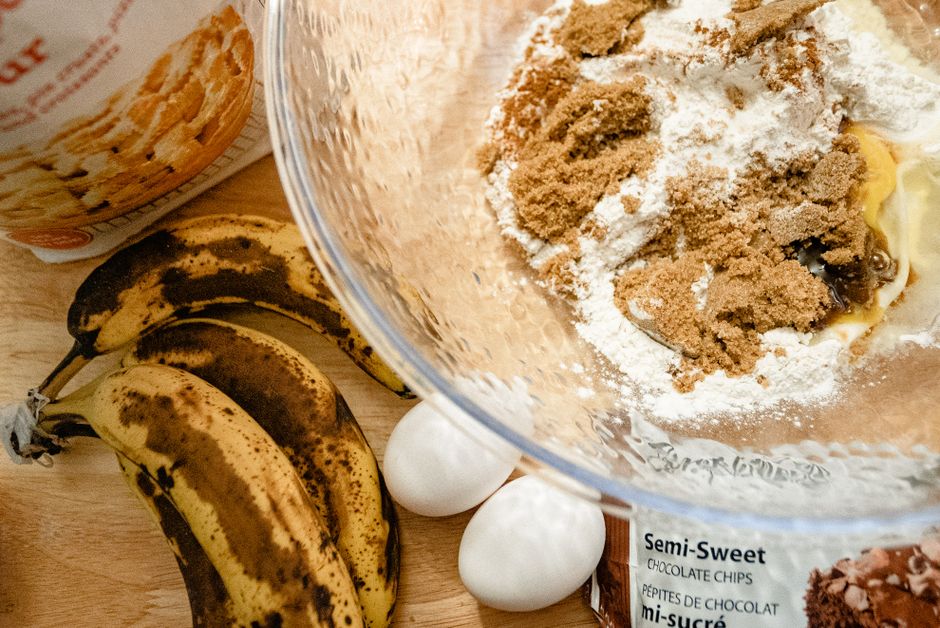
The most critical stage of quick bread baking is mixing the wet and dry ingredients. Overmixing activates the gluten in the flour, which will make your banana bread tough and rubbery rather than light and tender. Mix with a spatula using a gentle folding motion just until the flour disappears.
Once your batter is in the pan, you can customize the top of the loaf. Try slicing a banana lengthwise and placing the halves cut-side-up on top of the batter before baking. As the bread bakes, the banana halves will caramelize into a beautiful, professional-looking garnish.
Comparing Olive Oil to Other Baking Methods
It is helpful to compare the olive oil method to other popular styles of making banana bread. For example, some busy mornings call for extreme convenience, where a quick banana bread recipe bisquick style can save time by utilizing pre-mixed baking mix. While convenient, it lacks the complex flavor profile that a scratch-made olive oil recipe offers.
Butter-based recipes offer a rich, dairy-forward flavor that many people associate with traditional baking. However, butter-based loaves tend to firm up significantly when refrigerated or kept for more than a day. Olive oil ensures the bread remains springy and moist, even on day four.
Coconut oil is another popular fat choice, offering a sweet, tropical aroma. However, coconut oil solidifies at cooler temperatures, which can make the bread feel heavy. Olive oil provides the perfect balance of liquid fat stability and a sophisticated, savory undertone that elevates the simple fruit.
Serving and Pairing Suggestions
Once your olive oil banana bread has cooled, it is ready to be sliced and enjoyed. To experience the flavors at their peak, serve a slice slightly warm. The heat coaxes out the fruity aroma of the olive oil and softens any chocolate chips you may have added.
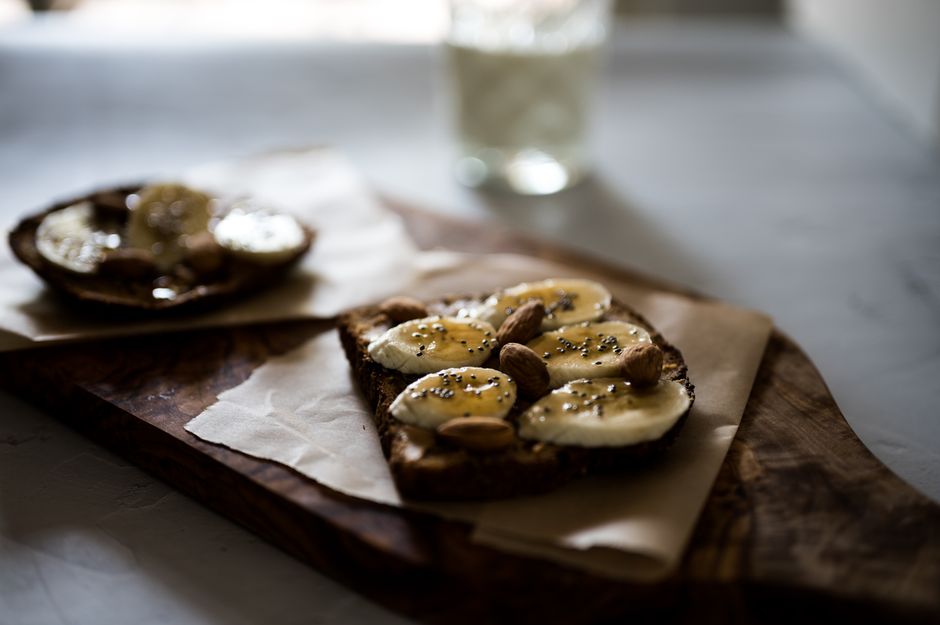
For a decadent breakfast, toast a slice of the banana bread in a skillet with a small pat of salted butter. The salt contrasts beautifully with the sweet banana and the rich olive oil. Alternatively, spread a layer of cream cheese or almond butter over the top for added protein.
This bread pairs wonderfully with a hot cup of black coffee or a robust black tea. The bitterness of the beverage cuts through the sweetness of the loaf, highlighting the complex notes of the extra virgin olive oil. For dessert, serve a warm slice alongside a scoop of vanilla bean ice cream.
Frequently Asked Questions
Can I taste the olive oil in the finished banana bread?
If you use a mild or light olive oil, you will not taste any distinct olive flavor at all. If you use a high-quality, fruity extra virgin olive oil, it will leave a subtle, sophisticated herbal note that enhances the banana flavor without overpowering it.
Can I use frozen bananas for this recipe?
Yes, frozen bananas work wonderfully for baking. Thaw them completely in a bowl before using, and be sure to include all the liquid that releases from the bananas as they thaw, as this contains valuable sugars and moisture.
How do I prevent the top of my banana bread from burning?
Because banana bread is dense, it requires a long bake time. If you notice the top of your loaf getting too dark before the center is cooked, loosely tent a piece of aluminum foil over the top of the pan for the last 15 minutes of baking.
Why did my banana bread sink in the middle?
A sunken center usually happens if the baking soda is expired, if the oven door was opened too early in the baking process, or if the bread was underbaked. Always test the center with a toothpick before removing the loaf from the oven.
Conclusion
This olive oil banana bread recipe is a modern take on a classic comfort food. By replacing traditional butter with heart-healthy olive oil, you create a loaf that is exceptionally moist, beautifully textured, and packed with flavor depth. It is a simple swap that yields professional-quality results every single time.
Gather your overripe bananas, choose a high-quality olive oil, and treat yourself to this baking project. Whether enjoyed as a quick breakfast, an afternoon snack, or a cozy dessert, this banana bread is sure to become a new favorite in your household. Happy baking!
