There is something deeply comforting about the aroma of baking banana bread wafting through a warm kitchen. It is a scent that carries memories of lazy Sunday mornings, family gatherings, and the simple joy of transforming overripe fruit into something magical. For years, most of us relied on basic, no-frills recipes that produced decent, albeit somewhat predictable, loaves. But what if we could take that nostalgic favorite and transform it into a gourmet masterpiece?
This elevated banana bread recipe does exactly that by introducing sophisticated baking techniques and premium ingredients to the classic formula. We are moving past the simple mash-and-stir method to create a loaf with complex caramelized notes, an incredibly moist crumb, and a beautiful golden-brown crust. Whether you are an experienced baker or a passionate home cook, this guide will help you master the art of the perfect quick bread.
By making a few deliberate changes to your ingredient selection and mixing process, you can achieve bakery-quality results at home. From browning the butter to balancing the sugars, every step in this recipe is designed to maximize flavor and texture. Get ready to experience banana bread like you never have before.
Why You Need an Elevated Banana Bread Recipe in Your Life
Standard quick breads often suffer from a few common flaws, such as being overly sweet, dry, or lacking in flavor depth. An elevated banana bread recipe solves these issues by treating the humble loaf with the same respect as a fine pastry. By understanding the science of baking, we can manipulate the ingredients to create a superior texture and a more nuanced flavor profile.
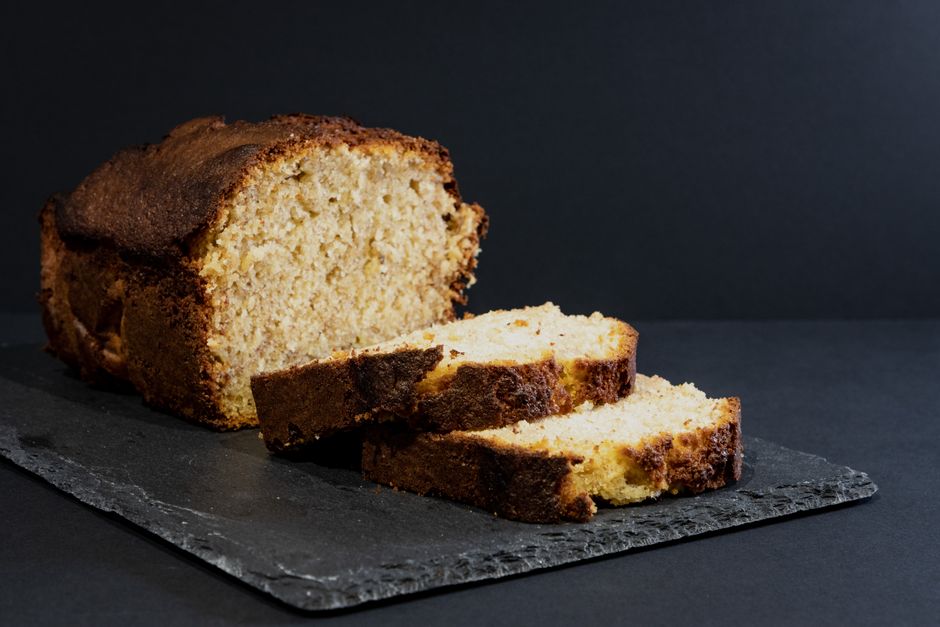
One of the primary keys to this elevation is the balance of fats and sugars. Instead of relying solely on white sugar and vegetable oil, we utilize ingredients that bring their own unique flavors to the table. This approach ensures that every single bite is rich, complex, and deeply satisfying rather than just sugary.
Additionally, the texture of this loaf is carefully calibrated to be dense yet fluffy, holding its shape beautifully when sliced. It remains incredibly moist for days, making it the perfect make-ahead treat for breakfast, afternoon tea, or dessert. Once you taste the difference that thoughtful baking makes, you will never go back to a basic recipe again.
The Secret Ingredients for Next-Level Flavor
To achieve a truly remarkable loaf, we must look closely at the components that build structure and flavor. The first major upgrade is the use of browned butter instead of regular melted butter or oil. Browning the butter toasts the milk solids, releasing a rich, nutty aroma that pairs beautifully with the natural sweetness of the bananas.
The Sweetener Selection
The type of sugar you choose has a massive impact on both the flavor and the moisture content of your bake. While white sugar adds sweetness, a high-quality banana bread recipe brown sugar base introduces molasses notes that complement the caramelized banana flavor. The moisture in brown sugar also helps keep the crumb incredibly tender and soft over time.
Dairy and Moisture Boosters
Moisture is the holy grail of quick breads, and we achieve it by incorporating cultured dairy. Many bakers swear by a banana bread recipe greek yogurt addition, which adds a pleasant tang and keeps the loaf tender. The acidity in yogurt or sour cream reacts with the baking soda, creating a lovely rise and a delicate crumb structure.
If you are looking for an ultra-rich alternative, you might even consider the vintage secret of a banana bread with mayonnaise recipe. Mayonnaise is essentially an emulsion of oil and egg yolks, which works wonders for locking in moisture and creating a velvety texture. For this elevated version, we will focus on a combination of brown butter and sour cream to achieve the ultimate flavor balance.
Elevated Banana Bread
Ingredients
- 1/2 cup (1 stick) unsalted butter, browned and cooled slightly
- 1 cup dark brown sugar, packed
- 2 large eggs, room temperature
- 1 teaspoon pure vanilla extract
- 1/2 cup full-fat sour cream or Greek yogurt
- 1 1/2 cups overripe bananas, mashed (about 3-4 medium bananas)
- 1 3/4 cups all-purpose flour
- 1 teaspoon baking soda
- 1/2 teaspoon fine sea salt
- 1 teaspoon ground cinnamon
- 1/4 teaspoon freshly grated nutmeg
- 1/2 cup toasted pecans or walnuts, chopped (optional)
- 1 tablespoon turbinado sugar (for topping)
Instructions
- Preheat your oven to 350°F (175°C) and grease a 9×5-inch loaf pan, lining it with parchment paper for easy removal.
- In a small saucepan over medium heat, melt the unsalted butter. Swirl the pan occasionally until the butter foams, turns a rich golden-brown, and releases a nutty aroma. Immediately transfer the brown butter to a heatproof bowl to stop the cooking process and let it cool for 5 minutes.
- In a large mixing bowl, whisk the brown butter and dark brown sugar together until smooth and free of lumps.
- Add the room-temperature eggs one at a time, whisking vigorously after each addition until the mixture is pale and slightly thickened. Stir in the vanilla extract.
- Gently fold in the sour cream (or Greek yogurt) and the thoroughly mashed bananas until well combined.
- In a separate bowl, whisk together the all-purpose flour, baking soda, sea salt, ground cinnamon, and grated nutmeg.
- Add the dry ingredients to the wet ingredients, using a rubber spatula to fold them together just until combined. Be careful not to overmix, as this can make the bread tough.
- If using, gently fold in the toasted chopped nuts.
- Pour the batter into your prepared loaf pan and smooth the top. Sprinkle the turbinado sugar evenly over the surface to create a crunchy, caramelized crust.
- Bake for 55 to 65 minutes, or until a toothpick inserted into the center of the loaf comes out clean with just a few moist crumbs attached.
- Allow the bread to cool in the pan for 10 minutes, then transfer it to a wire rack to cool completely before slicing.
Tips & Variations
The Banana Secret: Use bananas that are heavily speckled with black spots, or even completely black. The starch converts to sugar as they ripen, providing the best natural sweetness and banana flavor.
Add Chocolate: Fold in 1/2 cup of high-quality dark chocolate chunks along with the nuts for a decadent twist.
Storage
Store wrapped tightly in plastic wrap at room temperature for up to 3 days, or in the refrigerator for up to a week. This bread also freezes beautifully for up to 3 months.
Nutrition (per serving)
Calories: 320 kcal | Carbohydrates: 45g | Protein: 4g | Fat: 14g | Saturated Fat: 8g | Fiber: 2g | Sugar: 24g
Elevating the Texture: Mix-ins and Toppings
While a plain loaf of banana bread is delicious, adding texture-enhancing mix-ins can elevate it to a whole new level. Toasted nuts are a classic choice, providing a satisfying crunch that contrasts beautifully with the soft, tender crumb. If you love this combination, you will appreciate how a traditional banana nut bread recipe with cinnamon highlights the warm harmony of spices and earthy walnuts.

For a modern twist, consider adding a pinch of flaky sea salt to the top of the batter right before it goes into the oven. The contrast between the sweet banana, the rich brown butter, and the sharp bursts of salt is absolutely exquisite. You can also experiment with adding espresso powder to the dry ingredients to deepen the chocolate and banana flavors.
If you prefer a sweeter, dessert-like finish, try adding a simple streusel topping made from oats, brown sugar, butter, and cinnamon. This creates a crumbly, coffee-cake-style lid that makes the loaf feel incredibly indulgent. No matter what mix-ins you choose, the key is to ensure they complement rather than overwhelm the banana flavor.
Alternative Methods and Quick Shortcuts
Sometimes you want the comforting taste of homemade baking but find yourself short on time or specific ingredients. While scratch baking yields the most complex flavors, you can still achieve a delicious result using pantry shortcuts. For instance, modifying a banana bread recipe bisquick mix with sour cream, extra vanilla, and brown butter can save time while still delivering an elevated taste.
For those with dietary restrictions, this recipe can easily be adapted without sacrificing its premium quality. To make this loaf gluten-free, simply swap the all-purpose flour for a high-quality 1-to-1 gluten-free baking blend that contains xanthan gum. Ensure you do not overmix the batter to keep the texture light and airy.
To create a vegan version of this elevated loaf, replace the butter with coconut oil or vegan butter, use coconut yogurt instead of sour cream, and substitute the eggs with flax eggs or unsweetened applesauce. The natural moisture from the bananas makes this recipe incredibly forgiving, allowing these plant-based substitutions to shine.
How to Choose and Ripen Your Bananas
The success of any banana bread relies heavily on the quality and ripeness of the fruit you use. Yellow bananas with green tips are far too starchy and lack the sweetness and moisture needed for a tender loaf. You want to look for bananas that are covered in brown speckles or are almost entirely brown, as this is when their sugar content is at its peak.
If you have a craving for banana bread but only have yellow bananas on hand, there are a few ways to speed up the ripening process. The easiest method is to place the bananas in a paper bag with an apple or a tomato; the ethylene gas produced by the other fruit will ripen the bananas within 24 hours. Alternatively, you can bake unpeeled bananas on a baking sheet at 300°F (150°C) for 15-20 minutes until the skins turn completely black and the fruit inside is soft and sweet.
Another great tip for frequent bakers is to freeze overripe bananas when you are not ready to bake immediately. Simply peel them, place them in a freezer-safe bag, and store them for up to three months. When you are ready to make your elevated loaf, thaw the bananas at room temperature and be sure to include all the sweet liquid they release when defrosting.
The Science of Baking the Perfect Quick Bread
Baking is a science, and understanding how the ingredients interact can help you troubleshoot issues and achieve consistent results. In quick breads, the balance between leavening agents and acidic ingredients is crucial. In this recipe, the baking soda reacts with the acidic sour cream to produce carbon dioxide bubbles, which help the heavy batter rise into a light, airy loaf.
Overmixing is the most common mistake made when preparing quick breads. When flour is mixed with wet ingredients, gluten proteins begin to develop and form a network. While this network is essential for structured yeast breads, too much gluten development in quick breads results in a tough, rubbery texture. Mixing just until the flour disappears ensures your bread remains wonderfully tender.
Oven temperature also plays a vital role in the final texture and appearance of your loaf. Baking at a moderate 350°F (175°C) allows the heat to penetrate to the center of the dense batter without burning the outside. Using a parchment paper sling not only prevents sticking but also allows air to circulate around the sides of the pan for even browning.
Frequently Asked Questions
Why did my banana bread sink in the middle?
A sunken center is usually caused by underbaking, using too much leavening agent, or using too many bananas. Ensure you measure your mashed bananas accurately, and always test the center of the loaf with a toothpick before removing it from the oven.
Can I use oil instead of brown butter?
Yes, you can use vegetable oil, canola oil, or melted coconut oil in equal amounts. However, you will miss out on the rich, nutty, caramelized flavor notes that the browned butter contributes to this elevated recipe.
How do I keep the nuts from sinking to the bottom of the loaf?
To prevent heavy mix-ins like nuts or chocolate chips from sinking, toss them in a tablespoon of flour before folding them into the batter. This light coating of flour helps the mix-ins cling to the batter while it bakes.
Can I make this recipe into muffins instead of a loaf?
Absolutely! Divide the batter evenly into a greased or lined 12-cup muffin tin. Bake at 375°F (190°C) for 18 to 22 minutes, or until a toothpick inserted into the center of a muffin comes out clean.
How do I reheat stored banana bread?
To enjoy that fresh-out-of-the-oven taste, toast a slice in a toaster oven or warm it in a skillet with a small pat of butter. You can also microwave a slice for 10 to 15 seconds to restore its soft, pillowy texture.
Conclusion
Elevating a classic recipe does not require culinary school training; it simply requires a bit of mindfulness and an appreciation for quality ingredients. By browning your butter, choosing dark brown sugar, and adding sour cream, you can transform simple ingredients into an extraordinary treat. This elevated banana bread recipe is sure to become a staple in your baking repertoire, loved by friends and family alike.
So, the next time you see a bundle of overripe bananas sitting on your kitchen counter, resist the urge to throw them away or make a basic loaf. Take the extra few minutes to brown the butter, toast some nuts, and bake something truly special. Your kitchen will smell incredible, and your taste buds will thank you for the upgrade.
