The iPhone 15 Pro Max inventory tracker is a crucial tool for retailers and businesses looking to navigate the anticipated high demand for Apple’s latest flagship smartphone. With its expected advanced features and the historical success of previous iPhone releases, the iPhone 15 Pro Max is poised to be a highly sought-after device. Understanding the intricacies of inventory management in the face of potential supply chain disruptions and fluctuating consumer demand is paramount for ensuring customer satisfaction and maximizing profits.
This guide delves into the challenges and opportunities presented by managing iPhone 15 Pro Max inventory, exploring various inventory tracking tools, and outlining best practices for effective implementation. By understanding the factors influencing demand, leveraging appropriate tracking technologies, and implementing a comprehensive strategy, businesses can effectively meet the demands of the market and capitalize on the popularity of the iPhone 15 Pro Max.
The Demand for iPhone 15 Pro Max
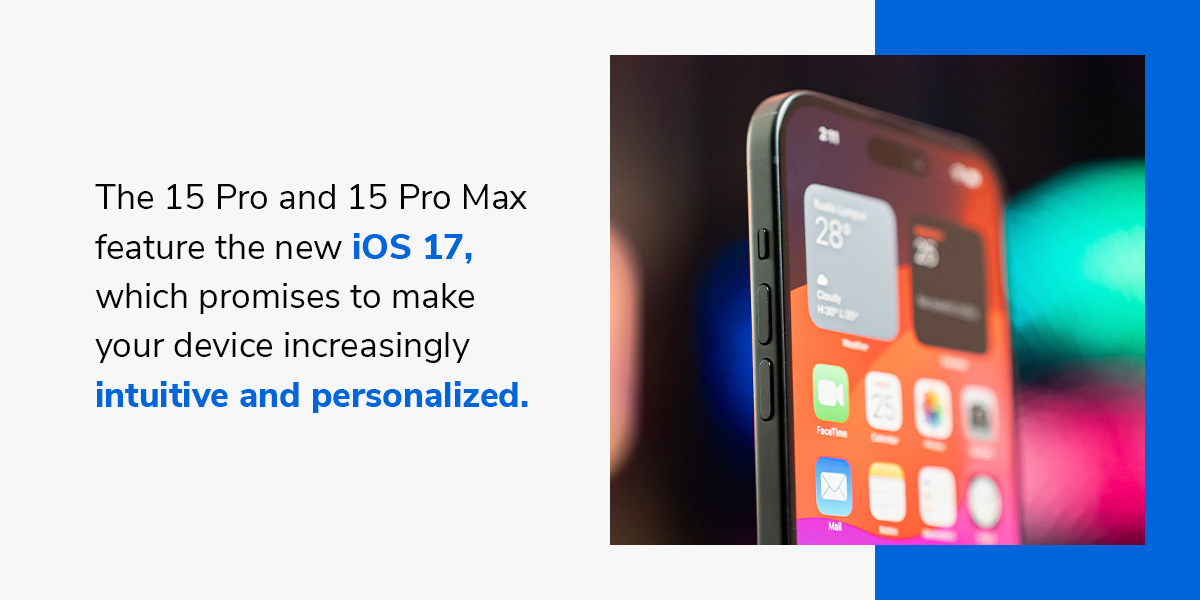
The iPhone 15 Pro Max is expected to be one of the most sought-after smartphones of 2023. With its anticipated advanced features, powerful performance, and premium design, it is likely to attract a large number of buyers.
Factors Influencing Demand
Several factors could influence the demand for the iPhone 15 Pro Max.
Expected Features
- Improved Camera System: Rumors suggest a significantly upgraded camera system with larger sensors, improved image processing, and potentially even a periscope lens for enhanced optical zoom. These advancements are expected to attract photography enthusiasts and users who prioritize image quality.
- Powerful Processor: Apple is likely to introduce a new A-series chip, possibly the A17 Bionic, offering even faster performance and enhanced power efficiency. This would appeal to users who rely on their phones for demanding tasks, gaming, and multitasking.
- Enhanced Display: The iPhone 15 Pro Max might feature a brighter, more vibrant display with a higher refresh rate, potentially reaching 120Hz. This would provide a smoother and more immersive viewing experience for content consumption and gaming.
- New Design Elements: Speculations point towards a refined design with slimmer bezels, a titanium frame, and potentially a USB-C port. These changes could contribute to the phone’s overall appeal and desirability.
Previous iPhone Release Trends
The iPhone 14 Pro Max saw significant demand, with its sales exceeding expectations. This trend suggests that Apple’s flagship Pro models continue to attract a large audience.
Global Economic Climate
The global economic climate could impact the demand for the iPhone 15 Pro Max. If economic conditions worsen, consumers might be less likely to spend on premium devices, potentially leading to a decline in demand.
Competition from Other Smartphone Brands
The iPhone 15 Pro Max will face competition from other high-end smartphones, such as those from Samsung, Google, and OnePlus. These brands offer compelling features and competitive pricing, which could influence consumer choices.
Price Point
The price point of the iPhone 15 Pro Max will play a crucial role in determining its overall demand. While Apple’s flagship devices are typically priced at a premium, an excessively high price could discourage some potential buyers.
Inventory Tracking Challenges

Retailers face significant challenges in accurately tracking iPhone 15 Pro Max inventory, particularly due to the product’s high demand and the complexities of modern supply chains.
Managing Inventory Across Multiple Locations
Tracking inventory across multiple physical stores and online platforms presents a major hurdle for retailers. Keeping inventory levels synchronized across different locations requires sophisticated systems and processes.
- Real-time data updates: Retailers need real-time updates on inventory levels across all locations to ensure accurate stock availability information for customers.
- Centralized inventory management: A centralized inventory management system allows retailers to view and manage inventory across all locations from a single platform, improving efficiency and reducing errors.
- Automated inventory adjustments: Automating inventory adjustments based on sales data and real-time demand helps retailers maintain optimal stock levels and minimize stockouts.
Tracking Inventory in a Complex Supply Chain
The iPhone 15 Pro Max’s supply chain involves multiple manufacturers, distributors, and logistics providers, making inventory tracking a complex process.
- Visibility into the supply chain: Retailers need visibility into the entire supply chain to track inventory movement from manufacturing to delivery to customers.
- Predicting demand fluctuations: Accurately predicting demand fluctuations is crucial for managing inventory levels and avoiding stockouts or excess inventory.
- Managing lead times: Lead times for iPhone 15 Pro Max components and finished products can vary significantly, requiring retailers to anticipate demand and order inventory well in advance.
Key Metrics for Inventory Management
To effectively manage inventory and prevent stockouts, retailers should track key metrics, including:
- Inventory turnover rate: This metric measures how quickly inventory is sold, providing insights into the efficiency of inventory management.
- Stockout rate: Tracking the percentage of orders that cannot be fulfilled due to stockouts helps identify areas for improvement in inventory management.
- Days of supply: This metric indicates the number of days of inventory on hand, providing a gauge of the company’s ability to meet demand.
Types of Inventory Tracking Tools

Inventory tracking tools are essential for businesses to manage their stock effectively and avoid stockouts or overstocking. These tools provide valuable insights into inventory levels, allowing businesses to make informed decisions about procurement, production, and sales.
Keeping track of the iPhone 15 Pro Max inventory can be a challenge, especially with its popularity. While you wait for the release, consider protecting your current iPhone 14 with a privacy screen for added peace of mind. This will help ensure your data remains secure, allowing you to focus on finding the perfect iPhone 15 Pro Max when it becomes available.
Types of Inventory Tracking Tools
Inventory tracking tools come in various forms, each with its own set of features, pros, and cons. Here’s a table comparing some common types:
| Tool Type | Features | Pros | Cons |
|---|---|---|---|
| Real-Time Inventory Management Systems | Real-time inventory updates, automated stock alerts, demand forecasting, order management, integration with other business systems | Accurate inventory data, reduced stockouts, improved forecasting, increased efficiency | Higher implementation costs, complex setup, requires dedicated IT support |
| Point-of-Sale Systems | Inventory tracking, sales reporting, customer management, payment processing | Simple to use, integrates with payment systems, provides sales data | Limited inventory management features, may not be suitable for large businesses |
| Manual Tracking Methods | Spreadsheets, physical inventory counts, handwritten records | Low cost, simple to implement | Prone to errors, time-consuming, lacks real-time data |
Benefits of Using an Inventory Tracker
Inventory trackers are invaluable tools for businesses of all sizes, offering numerous benefits that contribute to increased efficiency, reduced costs, and improved customer satisfaction. These tools provide real-time visibility into stock levels, allowing businesses to make informed decisions about purchasing, pricing, and inventory management.
Increased Efficiency and Productivity
Inventory trackers streamline inventory management processes, saving businesses time and resources. By automating tasks such as order tracking, stock updates, and reporting, these tools free up employees to focus on other critical tasks.
- Reduced Manual Labor: Automating inventory tracking eliminates the need for manual data entry and physical stock counts, reducing labor costs and minimizing errors.
- Faster Order Fulfillment: With real-time inventory visibility, businesses can quickly process orders and ensure timely delivery, improving customer satisfaction.
- Improved Accuracy: Inventory trackers minimize human error, leading to more accurate inventory records and fewer stock discrepancies.
Reduced Stockouts and Excess Inventory
Inventory trackers help businesses avoid stockouts and excess inventory, both of which can significantly impact profitability.
- Real-time Inventory Visibility: Inventory trackers provide a clear picture of stock levels, enabling businesses to identify and address potential stockouts before they occur.
- Predictive Analytics: Advanced inventory trackers use historical data and predictive analytics to forecast demand, allowing businesses to proactively adjust stock levels and avoid overstocking.
- Automated Reordering: Inventory trackers can trigger automatic reorder points, ensuring that businesses have enough stock on hand to meet demand without overstocking.
Optimized Pricing Strategies
Inventory trackers enable businesses to optimize their pricing strategies by providing insights into demand patterns and cost fluctuations.
- Demand Forecasting: By analyzing historical sales data, inventory trackers can forecast demand, allowing businesses to adjust prices based on expected demand fluctuations.
- Cost Analysis: Inventory trackers can track inventory costs, including purchase price, storage costs, and shipping fees, allowing businesses to optimize pricing strategies to maximize profit margins.
- Competitor Analysis: Some inventory trackers offer competitor pricing analysis, allowing businesses to stay competitive and adjust their pricing strategies accordingly.
Improved Customer Satisfaction
Inventory trackers contribute to improved customer satisfaction by ensuring product availability and timely order fulfillment.
- Reduced Stockouts: By minimizing stockouts, businesses can avoid disappointing customers and losing sales.
- Faster Order Processing: Real-time inventory visibility allows businesses to process orders quickly and efficiently, leading to faster delivery times and improved customer experience.
- Accurate Order Information: Inventory trackers provide accurate order information, reducing the likelihood of errors and ensuring that customers receive the correct products.
Data-Driven Decision Making
Inventory trackers provide businesses with valuable data that can be used to make informed decisions about their inventory management strategies.
- Sales and Demand Trends: Inventory trackers analyze historical sales data to identify trends and patterns, allowing businesses to make informed decisions about future purchasing and inventory levels.
- Performance Metrics: Inventory trackers provide key performance indicators (KPIs), such as inventory turnover rate, stockout rate, and average days of inventory, allowing businesses to track their inventory management performance and identify areas for improvement.
- Scenario Planning: Inventory trackers can be used to simulate different inventory management scenarios, allowing businesses to assess the impact of various decisions before implementing them.
Choosing the Right Inventory Tracker

Finding the perfect inventory tracking solution for your business is crucial for maximizing efficiency and profitability. The right tool can streamline your operations, prevent stockouts, and ultimately enhance your customer satisfaction.
Factors to Consider When Choosing an Inventory Tracker
The selection process for an inventory tracker involves a careful assessment of your specific needs and resources. Consider these key factors to ensure you choose a solution that aligns with your business goals.
- Budget: Inventory tracking tools come with varying price tags, ranging from free options to enterprise-level solutions. Determine your budget and prioritize features that provide the most value for your investment.
- Business Size: The size of your business plays a significant role in determining the complexity and features you need in an inventory tracker. Smaller businesses might benefit from simpler solutions, while larger businesses may require more robust features to manage their extensive inventory.
- Specific Needs: Clearly define your specific inventory tracking needs. Consider factors such as the number of products you manage, the complexity of your supply chain, and the level of automation you require.
- Integration: Ensure that the inventory tracker seamlessly integrates with your existing business systems, such as your accounting software, point-of-sale (POS) system, or e-commerce platform.
- Scalability: Select a solution that can grow with your business. Consider the future growth of your inventory and the ability of the tracker to handle increased volume and complexity.
- User Friendliness: The inventory tracking tool should be easy to use and navigate, especially for employees with varying levels of technical expertise. Look for intuitive interfaces and comprehensive training materials.
- Customer Support: Reliable customer support is essential. Ensure the provider offers prompt and helpful assistance to resolve any issues or questions you may have.
Step-by-Step Guide for Selecting an Inventory Tracking Solution, Iphone 15 pro max inventory tracker
Selecting the right inventory tracking solution requires a structured approach. Follow these steps to ensure a successful implementation:
- Identify Your Needs: Start by defining your specific inventory tracking needs, including the types of products you manage, the volume of inventory, and the level of automation you require.
- Research Potential Solutions: Explore various inventory tracking software and services available in the market. Look for solutions that align with your budget, business size, and specific needs.
- Compare Features and Pricing: Create a comparison table to analyze the features, pricing, and functionalities of different inventory tracking tools.
- Read User Reviews and Testimonials: Gather insights from other businesses that have used the software. User reviews can provide valuable information about the user experience, reliability, and customer support.
- Request Demo or Trial: Many inventory tracking providers offer free demos or trial periods. This allows you to test the software and assess its suitability for your business.
- Make an Informed Decision: Based on your research, comparisons, and trial experiences, choose the inventory tracking solution that best meets your needs and budget.
- Implement and Train: Once you’ve selected a solution, implement it within your business and provide training to your employees on its use.
Evaluating Inventory Tracking Software
Evaluating inventory tracking software involves a comprehensive assessment of its features, pricing, and user feedback. Here are some tips to guide your evaluation:
- User Reviews: Read user reviews and testimonials on reputable websites like G2, Capterra, and Software Advice. These platforms provide insights from real users about the software’s performance, user experience, and customer support.
- Feature Comparisons: Create a comparison table to analyze the key features of different inventory tracking tools. Consider features such as barcode scanning, stock alerts, reporting capabilities, and integration with other business systems.
- Pricing: Compare the pricing models of different solutions. Consider factors such as monthly subscription fees, per-user pricing, and any additional costs for features or integrations.
- Customer Support: Evaluate the level of customer support offered by the provider. Look for options such as live chat, email support, phone support, and online documentation.
Implementing an Inventory Tracker: Iphone 15 Pro Max Inventory Tracker
Implementing an inventory tracking system for your iPhone 15 Pro Max stock requires a methodical approach to ensure accuracy and efficiency. This process involves careful planning, data input, system configuration, and staff training. By following these steps, you can successfully implement an inventory tracking system that provides valuable insights into your stock levels, helping you make informed decisions about ordering, pricing, and promotions.
Data Entry
Accurate data entry is the foundation of any effective inventory tracking system. This involves capturing detailed information about each iPhone 15 Pro Max in your inventory. This includes:
- Unique Identifier: Assign a unique serial number or barcode to each iPhone 15 Pro Max to distinguish it from others. This allows for easy tracking and identification.
- Model: Record the specific model of the iPhone 15 Pro Max, such as the color and storage capacity. This helps ensure that you have a clear record of the different variations in your inventory.
- Purchase Date: Note the date when you acquired each iPhone 15 Pro Max. This information helps you monitor inventory turnover and identify any potential issues with stock aging.
- Purchase Price: Record the cost price of each iPhone 15 Pro Max. This data is crucial for calculating profit margins and understanding the cost of goods sold.
- Location: Track the physical location of each iPhone 15 Pro Max within your storage facility. This allows for quick and easy retrieval when needed.
- Condition: Indicate the condition of each iPhone 15 Pro Max, such as new, used, or refurbished. This information is essential for pricing and managing customer expectations.
System Configuration
Once you have gathered the necessary data, you need to configure your inventory tracking system. This involves setting up the system to reflect your specific business needs and processes. Key configuration elements include:
- Inventory Units: Define the units of measurement for your inventory, such as individual iPhones or boxes of iPhones. This ensures consistency in your data and calculations.
- Stock Thresholds: Set minimum and maximum stock levels for each iPhone 15 Pro Max model. This helps you avoid stockouts and excess inventory, optimizing your inventory management.
- Reporting Options: Customize the system to generate reports that provide the information you need to make informed decisions. This could include sales reports, stock turnover reports, and profit margin reports.
- Security Settings: Implement robust security measures to protect your inventory data. This includes setting access permissions for different users and implementing data encryption.
Staff Training
Proper staff training is crucial for the successful implementation of an inventory tracking system. Train your staff on how to use the system effectively and accurately. This includes:
- Data Entry Procedures: Ensure your staff understands the correct procedures for entering data into the system, including data validation and error handling.
- System Navigation: Familiarize your staff with the system’s interface and how to access different features and reports.
- Reporting and Analysis: Train your staff on how to interpret system reports and use the data to make informed decisions about inventory management.
Integrating with Existing Systems
Seamless integration with existing systems is crucial for optimizing data flow and minimizing manual data entry. Consider integrating your inventory tracker with:
- Point-of-Sale (POS) System: This integration allows for real-time updates to inventory levels as sales occur, ensuring accurate stock tracking.
- Customer Relationship Management (CRM) System: This integration provides insights into customer demand and purchasing patterns, enabling you to make informed inventory decisions.
- Accounting Software: Integrating your inventory tracker with your accounting software streamlines financial reporting and simplifies inventory cost calculations.
Ongoing Monitoring and Adjustments
Once your inventory tracking system is implemented, it is essential to monitor its performance and make adjustments as needed. This involves:
- Regular Data Validation: Regularly verify the accuracy of your inventory data to ensure that it reflects the true state of your stock.
- Performance Analysis: Analyze system reports to identify areas for improvement, such as stock turnover rates, stockouts, and excess inventory.
- System Updates: Stay updated with the latest system versions to benefit from new features and improvements.
Impact of Inventory Tracking on Customer Experience
Inventory tracking is not just about managing stock levels; it plays a crucial role in shaping the customer experience. By providing real-time insights into product availability and demand, inventory tracking empowers businesses to deliver exceptional service, build customer loyalty, and drive sales.
Reduced Wait Times and Increased Product Availability
Accurate inventory tracking enables businesses to ensure that products are readily available when customers need them. This minimizes wait times for orders, reducing frustration and enhancing customer satisfaction. By knowing exactly what’s in stock, businesses can proactively manage inventory levels, preventing stockouts and ensuring that popular items are always available.
Personalized Recommendations and Enhanced Customer Engagement
Inventory tracking data can be used to analyze customer purchase history, identify popular items, and predict future demand. This information allows businesses to provide personalized recommendations, suggesting products that customers might be interested in based on their past purchases and preferences. Personalized recommendations not only enhance the shopping experience but also encourage customers to explore new products and make additional purchases.
Building Customer Loyalty and Fostering Positive Relationships
By providing a seamless and positive shopping experience, businesses can cultivate customer loyalty and build long-term relationships. When customers consistently find the products they need, receive personalized recommendations, and experience minimal wait times, they are more likely to become repeat customers and advocate for the brand. Businesses can further enhance customer relationships by leveraging inventory data to proactively communicate with customers about product availability, backorders, or special offers.
“Inventory tracking is the backbone of a great customer experience. It allows us to ensure that our customers always have what they need, when they need it. This leads to increased customer satisfaction, loyalty, and ultimately, sales.”
[Name of a relevant industry expert or business leader]
Questions and Answers
What are the key features of the iPhone 15 Pro Max that are driving high demand?
The iPhone 15 Pro Max is expected to feature a powerful new processor, an improved camera system, a larger display, and potentially new design elements. These anticipated upgrades contribute to the anticipated high demand.
How can I integrate an inventory tracker with my existing point-of-sale (POS) system?
Many inventory tracking software solutions offer integrations with popular POS systems. Look for software that supports your current POS platform or offers APIs for seamless data exchange.
What are some examples of data-driven decisions that inventory tracking can facilitate?
Inventory tracking can help businesses determine optimal stock levels, predict future demand, identify slow-moving items, and optimize pricing strategies based on real-time data.
