There is something incredibly comforting about the aroma of freshly baked quick bread drifting through the house on a quiet weekend morning. For many of us, that scent is instantly recognizable: the sweet, caramelized notes of ripe bananas mingling with the woody, spicy warmth of ground cinnamon. It is a sensory experience that brings back fond memories of family kitchens, warm slices slathered in butter, and cozy conversations over steaming mugs of coffee.
Over the years, I have experimented with dozens of quick bread variations, but I always find myself returning to this classic combination. The addition of warm spices elevates the humble banana loaf from a simple breakfast item to a truly decadent treat. Whether you are an experienced baker looking to perfect your technique or a beginner taking your first steps in the kitchen, this recipe is designed to deliver consistent, mouthwatering results every time.
In this guide, we will explore the science behind creating a perfectly moist crumb, discuss the best ingredients to use, and walk through the baking process step by step. We will also cover customizable variations so you can adapt this recipe to suit any dietary needs or pantry constraints. Grab your mixing bowls, gather your overripe bananas, and let us dive into the wonderful world of home baking.
Why You Will Love This Banana Nut Bread Recipe with Cinnamon
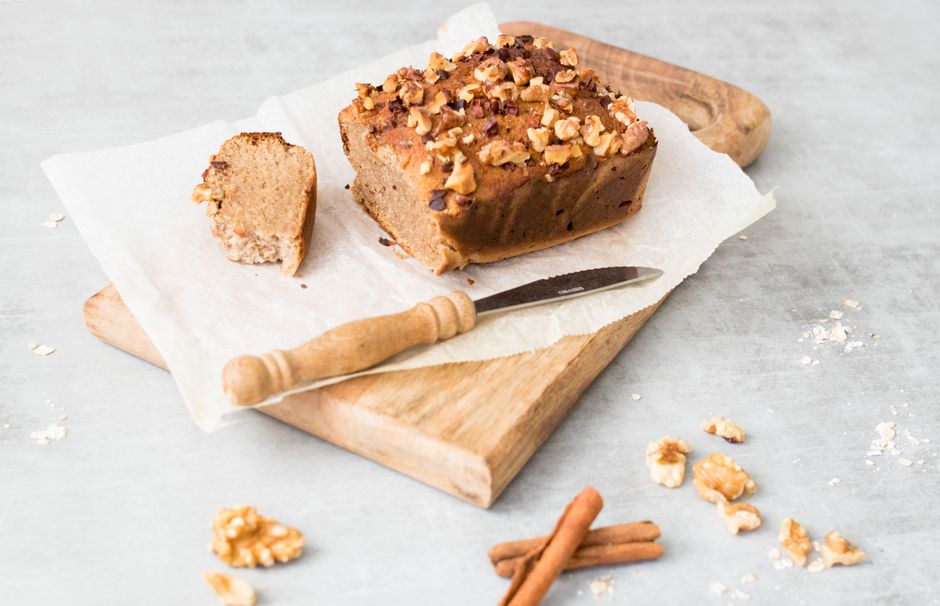
This particular banana nut bread recipe with cinnamon stands out because it strikes the perfect balance between moisture, structure, and flavor. Many quick breads suffer from being either too dry and crumbly or too dense and soggy in the center. By carefully balancing the wet and dry ingredients, this recipe achieves a tender, cake-like crumb that holds its shape beautifully when sliced.
The addition of cinnamon is a game-changer for the overall flavor profile of the bread. While bananas provide a natural, tropical sweetness, the cinnamon adds a layer of warm complexity that cuts through the sugar. It complements the earthy, buttery flavor of the toasted nuts, creating a cozy taste experience that keeps you coming back for another slice.
Furthermore, this recipe is incredibly forgiving and easy to put together. You do not need any fancy kitchen equipment like a stand mixer or a food processor; a simple hand whisk, a fork for mashing, and a sturdy spatula are all it takes. It is the perfect project for a lazy Sunday afternoon or a quick weekday baking session to use up those speckly bananas sitting on your counter.
The Science of Baking the Perfect Banana Bread
Baking is a science, and understanding how your ingredients interact can help you troubleshoot common issues and improve your results. In quick breads, the primary challenge is achieving a light, airy rise without sacrificing the moisture that makes the bread so delicious. The key lies in managing the gluten development in your flour while maximizing the hydrating power of your wet ingredients.
When flour is mixed with liquid, gluten proteins begin to link together, creating an elastic network. While this network is essential for chewy yeast breads, too much gluten development in a quick bread will make it tough and rubbery. That is why we mix our dry and wet ingredients just until they are combined, ensuring a tender and delicate texture.
The acidity of the bananas also plays a crucial role in the leavening process. Bananas are naturally acidic, which helps activate the baking soda to produce carbon dioxide bubbles. These bubbles expand in the heat of the oven, lifting the heavy batter and creating a fluffy, soft interior structure.
Choosing the Right Bananas
The success of your banana bread depends heavily on the condition of your bananas. Green or bright yellow bananas simply will not work because they lack the necessary sugar content and moisture. As bananas ripen, their starches convert into simple sugars, making them sweeter, softer, and much more aromatic.
For the best results, look for bananas that are heavily speckled with brown spots, or even completely black. These overripe bananas are incredibly easy to mash into a smooth puree and will infuse your bread with an intense, natural banana flavor. If your bananas are not quite ready, you can speed up the process by placing them in a paper bag with an apple for a day or two.
The Magic of Cinnamon and Nuts
Cinnamon is more than just a spice; it is a flavor enhancer that works behind the scenes to make the banana flavor pop. The warmth of the cinnamon stimulates our olfactory senses, making the bread smell and taste sweeter than it actually is. It creates a beautiful contrast with the rich, fatty notes of the nuts.
Speaking of nuts, choosing the right variety and preparing them correctly can elevate your bread from good to bakery-quality. Walnuts and pecans are the traditional favorites, offering a buttery crunch that contrasts wonderfully with the soft crumb. Toasting the nuts before adding them to the batter releases their essential oils, intensifying their nutty flavor and keeping them crisp during the baking process.
Key Ingredients for Ultimate Moistness
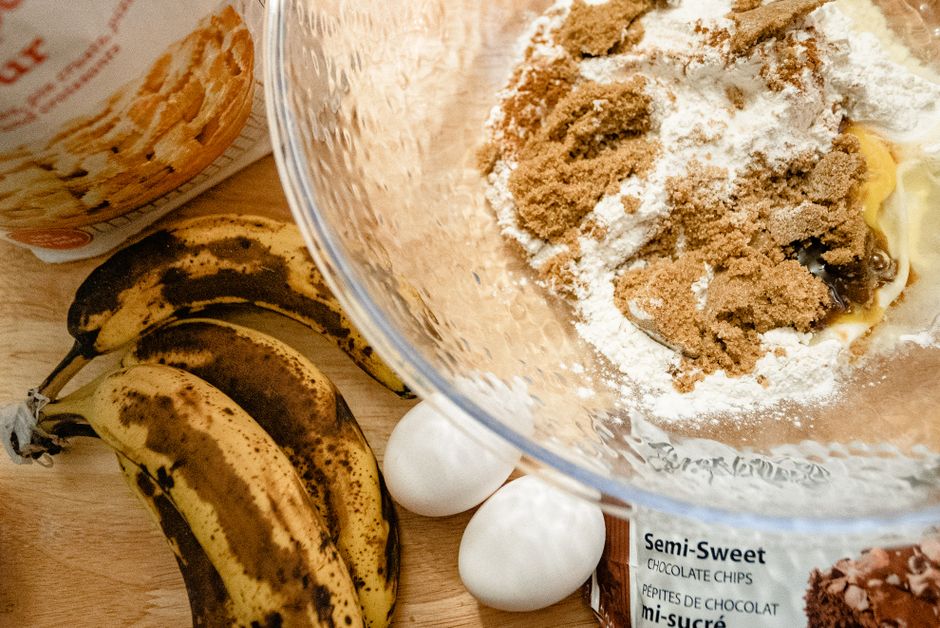
To ensure your loaf remains moist for days, you need to select ingredients that lock in hydration. While butter provides unmatched flavor, combining it with a liquid fat or an acidic dairy product can yield an even softer crumb. Many bakers love to experiment with different bases to find their perfect texture.
For instance, using a banana bread recipe greek yogurt base is an excellent way to introduce moisture and a subtle tang that balances the sweetness. The acidity in the yogurt tenderizes the gluten, resulting in an incredibly soft and velvety texture. Alternatively, you can play with the types of sugar you use to alter both the texture and the color of your loaf.
Replacing a portion of white sugar with a banana bread recipe brown sugar variation adds moisture due to the natural molasses content in brown sugar. Molasses is hygroscopic, meaning it attracts and holds onto water molecules, keeping your bread fresh and soft for a longer period. It also contributes a rich, caramel-like undertone that pairs beautifully with the cinnamon.
Cinnamon Banana Nut Bread
Ingredients
- 3 extra-ripe bananas, thoroughly mashed (about 1.5 cups)
- 1/2 cup (1 stick) unsalted butter, melted and cooled slightly
- 1/2 cup granulated white sugar
- 1/2 cup packed light brown sugar
- 2 large eggs, room temperature
- 1 teaspoon pure vanilla extract
- 1.5 cups all-purpose flour
- 1 teaspoon baking soda
- 1.5 teaspoons ground cinnamon
- 1/2 teaspoon salt
- 1/2 cup chopped walnuts (or pecans), toasted
Instructions
- Preheat your oven to 350°F (175°C). Grease a 9×5-inch loaf pan with butter or non-stick cooking spray, or line it with parchment paper leaving an overhang for easy removal.
- In a large mixing bowl, mash the ripe bananas with a fork or potato masher until smooth with only small chunks remaining.
- Whisk the melted butter, granulated sugar, and brown sugar into the mashed bananas until well combined.
- Add the room-temperature eggs one at a time, whisking well after each addition, then stir in the vanilla extract.
- In a separate medium bowl, whisk together the all-purpose flour, baking soda, ground cinnamon, and salt.
- Gently fold the dry ingredients into the wet banana mixture using a rubber spatula. Mix just until no pockets of dry flour remain; do not overmix.
- Gently fold in the toasted chopped walnuts, saving a tablespoon to sprinkle on top if desired.
- Pour the batter into the prepared loaf pan and smooth the top with your spatula. Sprinkle the remaining walnuts over the top.
- Bake for 55 to 65 minutes, or until a toothpick inserted into the center of the loaf comes out clean or with just a few moist crumbs attached.
- Remove the pan from the oven and place it on a wire cooling rack. Let the bread cool in the pan for 10 minutes, then lift it out and transfer it directly to the rack to cool completely before slicing.
Tips & Variations
Toast the Nuts: Toast your walnuts in a dry skillet over medium heat for 3-5 minutes until fragrant to enhance their flavor. Let them cool before adding them to the batter. Cinnamon Sugar Crust: Mix 1 tablespoon of sugar with 1/2 teaspoon of cinnamon and sprinkle it over the batter just before baking for a crunchy, sweet topping.
Storage
Store cooled banana bread in an airtight container at room temperature for up to 3 days. To keep it longer, wrap it tightly in plastic wrap and store in the refrigerator for up to 1 week, or freeze slices for up to 3 months.
Nutrition (per serving)
Calories: 320 kcal | Carbohydrates: 44g | Protein: 5g | Fat: 15g | Saturated Fat: 6g | Cholesterol: 55mg | Sodium: 180mg | Fiber: 2g | Sugar: 24g
Customizing Your Banana Nut Bread
One of the best things about baking at home is the ability to customize recipes to fit your lifestyle and dietary preferences. This banana nut bread recipe with cinnamon is incredibly versatile and serves as an excellent canvas for creative additions. Whether you need to avoid gluten, dairy, or simply want to save time, there are several simple adjustments you can make.
For those who enjoy a bit of chocolate, folding in a half-cup of semi-sweet chocolate chips along with the nuts adds a rich, gooey texture. You can also experiment with different spices; adding a pinch of nutmeg, cardamom, or ground cloves along with the cinnamon creates a deeper, autumnal flavor profile. Let your taste buds guide you as you make this recipe your own.
Gluten-Free Adaptation
If you or someone in your family follows a gluten-free diet, you can easily adapt this recipe without sacrificing its signature moist texture. Simply replace the all-purpose flour with a high-quality 1-to-1 gluten-free baking flour blend that contains xanthan gum. Xanthan gum mimics the structural properties of gluten, preventing the bread from becoming too crumbly.
Because gluten-free flours absorb moisture differently than wheat flour, you may want to let the batter rest in the pan for about 10 minutes before baking. This gives the rice flours in the blend time to hydrate, resulting in a smoother mouthfeel. Adding an extra tablespoon of sour cream or Greek yogurt can also help retain moisture in gluten-free bakes.
Vegan and Dairy-Free Options
Creating a vegan version of this delicious bread is straightforward and yields fantastic results. To replace the butter, use an equal amount of melted coconut oil, avocado oil, or a neutral vegetable oil. Coconut oil adds a subtle sweetness that pairs beautifully with the bananas and cinnamon.
For the eggs, you can use flax eggs (combine 2 tablespoons of ground flaxseed meal with 6 tablespoons of water and let it sit for 5 minutes until gelatinous) or half a cup of unsweetened applesauce. The natural pectin in the applesauce helps bind the ingredients together while contributing to the overall moisture of the loaf.
Quick Shortcuts using Baking Mixes
If you are short on time or ingredients, you can take advantage of convenient pantry shortcuts. Using a pre-packaged baking mix can save you from measuring out flour, salt, and leavening agents individually. It is a fantastic option for busy mornings when you still want that home-baked taste.
For a reliable shortcut, you can adapt a popular banana bread recipe bisquick style method. By using a baking mix as your dry base, you simply need to stir in your mashed bananas, sugar, eggs, cinnamon, and nuts. This method significantly cuts down on prep time while still delivering a delicious, golden-brown loaf that everyone will love.
Pro Tips for the Best Rise and Texture
While the recipe is simple, paying attention to a few key details can elevate your baking from good to spectacular. First, always measure your flour correctly. Scooping flour directly from the bag with a measuring cup packs it down, resulting in too much flour and a dry, dense bread; instead, fluff your flour with a spoon, scoop it into the cup, and level it off with a knife.
Second, ensure your ingredients, particularly the eggs, are at room temperature before you begin mixing. Room-temperature ingredients emulsify much more easily, creating a uniform batter that traps air efficiently. If you forgot to take your eggs out of the fridge, place them in a bowl of warm water for 5 to 10 minutes to quickly take the chill off.
Finally, keep an eye on your oven temperature. Ovens can run hot or cold, which can affect how your bread rises and cooks through. Using an inexpensive oven thermometer hung on the center rack ensures you are baking at exactly 350°F, preventing the outside of the loaf from burning before the inside is fully cooked.
Frequently Asked Questions (FAQ)
How do I keep my banana bread from sinking in the middle?
A sunken center is usually caused by too much leavening agent (baking soda or powder), underbaking, or opening the oven door too early in the baking process. Ensure your baking soda is fresh and accurately measured. Always test the center of the loaf with a toothpick before removing it from the oven to ensure it is fully baked.
Can I use frozen bananas for this recipe?
Yes, frozen bananas work wonderfully for baking. Thaw them completely in a bowl before using; they will release a lot of liquid as they thaw. Be sure to include all of that liquid in your mixing bowl, as it contains concentrated sugars and flavors that make the bread extra moist.
What is the best way to toast walnuts?
To toast walnuts, spread them in a single layer on a baking sheet and bake at 350°F (175°C) for 5 to 8 minutes, shaking the pan halfway through, until they are fragrant and slightly darkened. Alternatively, you can toast them in a dry skillet over medium heat, stirring constantly for 3 to 5 minutes. Let them cool completely before chopping.
How do I know when my banana bread is done?
The most reliable way to check for doneness is to insert a toothpick or cake tester into the thickest part of the center. If it comes out clean or with a few moist crumbs, the bread is done. If you see wet batter on the toothpick, bake for another 5 minutes and check again. The top of the loaf should also be golden brown with a nice center split.
Why is my banana bread dry?
Dry banana bread is typically the result of adding too much flour or overbaking the loaf. To prevent this, use a kitchen scale to measure flour or use the spoon-and-level method. Keep a close eye on the bread during the last 10 minutes of baking, and tent it with foil if the top is browning too quickly.
Conclusion
Baking a perfect loaf of banana nut bread recipe with cinnamon is a deeply satisfying culinary project that yields delicious rewards. By selecting the right ingredients, understanding the science of quick breads, and applying a few pro tips, you can create a bakery-worthy treat right in your own kitchen. It is a wonderful way to reduce food waste by utilizing overripe fruit while filling your home with an inviting, cozy aroma.
Whether you enjoy a warm slice toasted with a smear of salted butter, alongside your morning coffee, or packed into a lunchbox for an afternoon treat, this bread is sure to become a household favorite. Do not hesitate to experiment with different variations, whether that means incorporating Greek yogurt for extra moisture or using a baking mix shortcut on busy days. Happy baking, and may your kitchen always smell of sweet bananas and warm cinnamon!
