With crockpot carnitas recipe at the forefront, this culinary journey transports you to the heart of Mexican tradition, where the rich aroma of slow-cooked pork fills the air, inviting all to gather around the table. The preparation of carnitas is not just about the food; it’s an experience steeped in history, culture, and the art of cooking that has evolved through generations.
As we explore the intricate details of this beloved dish, we unveil the secrets behind its flavor and tenderness that have delighted palates for centuries.
The essence of the crockpot carnitas recipe lies in the harmony of its essential ingredients, each playing a crucial role in creating that melt-in-your-mouth texture and rich flavor. From the choice of meat to the spices and cooking methods, understanding these elements transforms ordinary ingredients into a delightful feast. Join us as we delve into the history, preparation techniques, and serving suggestions that elevate crockpot carnitas to a beloved staple in homes everywhere.
The history of carnitas and its significance in Mexican cuisine
Carnitas, a traditional Mexican dish made from pork that is slow-cooked until tender, holds a place of honor in the country’s culinary landscape. Its name, which translates to “little meats,” signifies both the dish’s preparation and its cultural roots. The origins of carnitas can be traced back to the state of Michoacán, where it has been prepared for centuries. This dish symbolizes more than just a meal; it represents a rich culinary heritage that has evolved through various historical influences.The evolution of carnitas is deeply intertwined with the agricultural practices of rural Mexico and the indigenous cooking methods of the region.
Historically, the preparation of carnitas was a communal affair, often made during special occasions, family gatherings, and celebrations. The traditional method involves simmering the pork in its own fat for several hours, allowing the meat to become tender and flavorful. This technique, known as “carnitas estilo Michoacán,” has remained largely unchanged, preserving the authenticity of the dish over generations.
Traditional cooking methods and cultural influences
The traditional cooking methods used in making carnitas are vital to understanding its cultural significance. Carnitas are made by cooking pork, usually shoulder or butt, in a heavy pot or cauldron called a “cazuela” with lard and spices. This method allows the pork to cook slowly, resulting in a succulent texture and deep, rich flavors. The use of spices such as garlic, cumin, and bay leaves adds distinctive notes, while the slow cooking process renders the fat, creating a crispy exterior that contrasts beautifully with the tender meat.
Cultural influences from indigenous peoples and Spanish colonizers have shaped the dish’s development. Indigenous cooking techniques involved slow-roasting meats over open fires or in underground pits, a practice that has influenced the way carnitas are prepared today. Spanish culinary traditions introduced the use of lard for cooking, which has become a hallmark of authentic carnitas preparation. Over time, these influences amalgamated to create the beloved dish we enjoy today.Carnitas have become a staple in Mexican cuisine, celebrated for their versatility.
They can be found in tacos, burritos, and tortas, showcasing the adaptability of the dish across various dining contexts. Understanding the history of carnitas provides a glimpse into the cultural tapestry of Mexico, where food serves as a bridge connecting generations and communities. In conclusion, carnitas are more than just a delicious meal; they embody the history, traditions, and flavors of Mexico.
From the ancient indigenous practices to the modern adaptations seen in kitchens worldwide, carnitas continue to be a source of pride and joy for many, representing a celebration of life’s moments, big and small.
Essential ingredients for a perfect crockpot carnitas recipe

To create mouthwatering crockpot carnitas, having the right ingredients is crucial. Each element contributes to the rich flavor and delightful texture that make this dish a favorite for many. Understanding the essential ingredients can not only enhance your cooking experience but also elevate the final result, ensuring your carnitas are as authentic and delicious as possible.
Key Ingredients for Crockpot Carnitas
When preparing crockpot carnitas, certain ingredients stand out as essential for achieving that traditional flavor and texture. Here’s a list of the key ingredients you’ll need:
- Pork Shoulder: This is the star of the carnitas. Pork shoulder, also known as pork butt, has the perfect balance of fat and meat, which breaks down during the slow cooking process, resulting in tender, juicy carnitas. The fat adds flavor and moisture, making it ideal for this dish.
- Citrus Juices: Typically, orange juice is used, often combined with lime juice. The acidity from the citrus helps to tenderize the meat and infuses it with a bright, fresh flavor that balances the richness of the pork.
- Garlic: Fresh garlic cloves add a savory depth to the dish. They complement the meat’s richness and provide aromatic notes that enhance the overall flavor.
- Onions: Sliced onions contribute sweetness and complexity. As they cook down, they caramelize and add a lovely depth to the carnitas.
- Spices: A mixture of spices, including cumin, oregano, and bay leaves, is crucial. Cumin adds warmth, oregano provides a slightly peppery flavor, and bay leaves infuse the cooking liquid with a subtle earthiness.
- Salt and Pepper: Essential for seasoning, these basic ingredients enhance the flavors of all the other components, bringing everything together.
Each ingredient plays a vital role in achieving the right taste and texture for your crockpot carnitas. The pork shoulder’s marbling ensures a succulent final product, while the citrus juices not only tenderize the meat but also introduce a zesty brightness that cuts through the richness. Garlic and onions bring aromatic depth, creating an inviting savory profile. The spices give the dish its signature flavor, while proper seasoning with salt and pepper allows all the elements to shine.
By carefully selecting and balancing these ingredients, you’ll be well on your way to crafting the perfect crockpot carnitas that can be enjoyed in tacos, burritos, or on their own.
Step-by-step guide to preparing crockpot carnitas
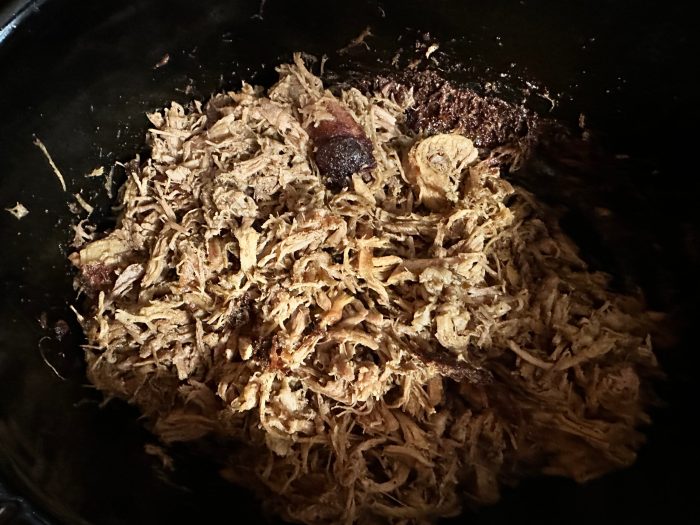
Crockpot carnitas is a delicious, slow-cooked dish that brings together the rich flavors of pork with a variety of spices. The beauty of using a crockpot is that it allows the meat to become incredibly tender and flavorful with minimal effort. Here, we’ll guide you through the essential steps to create mouthwatering carnitas that will be the highlight of your next meal.To begin with, ensuring the meat is tender and packed with flavor requires a few key steps.
Proper marination, the right cooking time, and the selection of spices all contribute to achieving the perfect dish. Below is a detailed preparation timeline and guide that Artikels each step involved.
Preparation Steps for Crockpot Carnitas
The following steps detail how to prepare the pork for the slow cooker, ensuring the meat turns out succulent and delicious.
1. Select the Right Cut of Meat
Choose a pork shoulder or pork butt for optimal tenderness, as these cuts have enough fat to keep the meat juicy during cooking.
2. Marinate the Pork
Start by seasoning the pork with a mix of spices. The ideal marinade includes:
2 teaspoons salt
1 teaspoon black pepper
1 tablespoon cumin
If you’re craving something delicious, carnitas california offers a delightful twist on traditional flavors, perfect for any meal. The rich, tender pork is seasoned to perfection, making it a favorite for many. If you’re looking for a broader selection, don’t miss out on exploring the varied options available in the carnitas queretaro menu , where every dish tells a story of culinary heritage and taste.
1 tablespoon chili powder
1 tablespoon paprika
4 cloves minced garlic
Juice of 2 limes
1 orange, juiced
Combine these ingredients in a bowl and coat the pork thoroughly. For best results, let the pork marinate in the refrigerator for at least 2 hours or overnight.
3. Sear the Pork (Optional)
For an added depth of flavor, sear the marinated pork in a skillet over medium-high heat, turning until browned on all sides. This step enhances the overall taste but can be skipped if you’re short on time.
4. Transfer to Crockpot
Place the seared or unseared pork into the crockpot. Add any remaining marinade along with 1 cup of chicken or vegetable broth to create a moist cooking environment.
5. Cook Low and Slow
Set the crockpot on low heat and cook for 8 to 10 hours. This slow cooking method allows the pork to break down and become incredibly tender.
6. Shred the Meat
Once cooked, remove the pork from the crockpot and let it rest for a few minutes. Shred the meat using two forks, discarding any large pieces of fat.
7. Crisp the Edges (Optional)
For added texture, spread the shredded pork on a baking sheet and broil in the oven for 5-7 minutes until the edges are crispy.
The key to tender and flavorful carnitas is the combination of proper marination and slow cooking.
Following this guide will ensure that you achieve tender, flavorful carnitas that are perfect for tacos, burritos, or simply served with sides. The cooking process not only renders the meat succulent but also infuses it with a delicious blend of spices, making every bite a satisfying experience.
Common mistakes to avoid when making crockpot carnitas
Making crockpot carnitas can seem like a straightforward task, but there are several common pitfalls that can lead to disappointing results. Understanding these mistakes and how to avoid them is essential for achieving flavorful, tender, and crispy pork that is the hallmark of great carnitas. Let’s dive into some of the frequent errors home cooks make and how they can significantly impact the final dish.
Overcrowding the Crockpot
One of the most common mistakes when preparing crockpot carnitas is overcrowding the slow cooker. When you add too much meat, it prevents the pork from cooking evenly and can lead to a mushy texture. Slow cookers need space for heat circulation, and if the pot is packed too tightly, the meat will essentially steam instead of braise.To avoid this, consider cooking in smaller batches.
If you’re preparing a larger quantity, it’s better to divide the meat into two separate slow cookers or cook in batches. This ensures that each piece of pork has enough room to develop that delicious, rich flavor that carnitas are known for.
Skipping the Searing Step
Another frequent error is not searing the meat before it goes into the crockpot. While this step might seem like an unnecessary extra, searing the pork creates a caramelized crust that adds depth and complexity to the flavor profile. Without this initial browning, the carnitas may taste flat and lack that robust flavor.To incorporate this important step, heat a bit of oil in a skillet and brown all sides of the pork before transferring it to the crockpot.
This small effort can significantly elevate the final dish, giving it a much more satisfying taste.
Neglecting Seasoning, Crockpot carnitas recipe
Some cooks underestimate the importance of seasoning. While the cooking process allows for flavors to meld, starting with adequately seasoned meat is crucial. Many recipes recommend adding a mix of spices, citrus, and herbs to enhance the flavor of the pork.Always be generous with spices like cumin, oregano, and garlic, and don’t forget to include aromatics like onions and jalapeños.
Additionally, a splash of citrus juice—such as lime or orange—can brighten the flavors and balance the richness of the meat.
Not Allowing Enough Cooking Time
Carnitas require ample cooking time to become tender and flavorful. A common mistake is not allowing enough time for the meat to fully break down. While many slow cooker recipes suggest cooking for 6-8 hours, this can vary depending on the size and cut of meat used.Always check the meat’s tenderness by pulling it apart with forks. If it doesn’t shred easily, it likely needs more time.
The goal is to achieve that perfect, melt-in-your-mouth texture that makes carnitas so enjoyable.
Taking the time to sear, season, and cook the pork properly will lead to the best possible carnitas.
By being mindful of these common mistakes, you can ensure that your crockpot carnitas turn out deliciously every time. Happy cooking!
Creative serving suggestions for crockpot carnitas: Crockpot Carnitas Recipe
Crockpot carnitas are incredibly versatile, making them a fantastic base for a variety of delicious dishes. Not only can you enjoy them in traditional ways, but they also lend themselves to creative interpretations that can elevate any meal. Exploring different serving suggestions can bring a whole new level of excitement to your dining experience.When serving crockpot carnitas, consider these innovative dishes that utilize its rich flavors and tender texture.
Each of these ideas can be customized with unique toppings and sauces to enhance the overall taste.
Variety of dishes using crockpot carnitas
Utilizing crockpot carnitas as a base opens up a world of culinary creativity. Here are some exciting dish ideas:
- Tacos: Fill soft or crispy tortillas with carnitas and top with fresh cilantro, diced onions, and a squeeze of lime. Add a drizzle of spicy salsa for an extra kick.
- Burrito bowls: Layer rice, beans, carnitas, and your favorite toppings like guacamole and pico de gallo for a hearty meal.
- Nachos: Spread tortilla chips on a platter, pile high with carnitas, cheese, jalapeños, and serve with sour cream and salsa.
- Quesadillas: Stuff a tortilla with carnitas and cheese, grill until crispy, and serve with guacamole.
- Sandwiches: Use carnitas as a filling for sliders and add tangy coleslaw for a crunchy contrast.
To complement these dishes, think about adding flavorful toppings and sauces. Some excellent options include fresh avocado, pickled red onions, zesty chipotle mayo, and tangy tomatillo salsa. Pairing crockpot carnitas with sides enhances the meal experience. Consider serving them alongside classic sides like cilantro-lime rice, black beans, or street corn. You can also include a crunchy slaw for texture and freshness.
Together, these elements create a satisfying and well-rounded meal that balances flavors and provides great satisfaction.
Variations of the traditional crockpot carnitas recipe
Carnitas, a beloved Mexican dish, showcases the versatility of the pig and the distinctive flavors of various regions. While the traditional crockpot method is a favorite for its convenience, numerous adaptations exist that reflect local ingredients and cultural influences. Exploring these variations can enhance your culinary repertoire and cater to diverse tastes and preferences.
Regional adaptations of carnitas across Mexico
Different regions of Mexico have their unique spins on carnitas, each adding a distinctive flavor and texture. This diversity results from local ingredients, preparation methods, and culinary traditions. Here are some notable regional adaptations of carnitas:
- Michoacán: Often considered the birthplace of carnitas, Michoacán’s version is famous for its combination of spices, including cinnamon, and the inclusion of orange juice. The meat is traditionally cooked in lard, leading to incredibly tender and flavorful results.
- Jalisco: In Jalisco, carnitas are sometimes prepared with a touch of tequila, which adds a unique depth of flavor. This region favors a slightly firmer texture, as the pork is cooked until just crispy on the outside.
- Yucatán: Influenced by Mayan culture, Yucatán’s carnitas may incorporate achiote paste, giving the dish a distinct red hue and a slightly sweet, earthy flavor. The use of sour oranges is also prevalent, enhancing the overall profile.
Slow-cooked versus pressure-cooked methods for making carnitas
The method of cooking carnitas can significantly impact the final texture and flavor. Both slow-cooking and pressure-cooking have their advantages and can cater to different preferences. When utilizing a slow cooker, the process is low and slow, allowing the flavors to meld deeply. This traditional method results in meat that is exceptionally tender and easy to shred. The extended cooking time, usually 6-8 hours, permits the spices and aromatics to infuse the pork thoroughly.
On the other hand, pressure cooking is a quicker alternative, achieving similar tenderness in a fraction of the time—typically around 60-90 minutes. This method is ideal for those who are short on time but still desire the rich flavors of carnitas.
“Both methods can yield delicious carnitas, but the choice between them will depend on the time you have and your desired flavor intensity.”
In summary, the variations of crockpot carnitas not only reflect the rich culinary landscape of Mexico but also offer flexibility in preparation methods. By embracing these adaptations, home cooks can create a range of dishes that appeal to different tastes while enjoying the timeless flavors of tradition.
Tips for storing and reheating leftover crockpot carnitas
Storing and reheating leftover crockpot carnitas effectively can help preserve their incredible flavor and texture. With the right techniques, you can enjoy your delicious meal even days after cooking. Here are some best practices to ensure your carnitas remain as tasty as when they were first made.
Proper storage methods for leftover carnitas
To maintain freshness and prevent spoilage, it’s important to store your leftover carnitas correctly. First, allow the carnitas to cool to room temperature before transferring them to an airtight container. This helps prevent condensation, which can lead to soggy meat. For optimal freshness, consider portioning the carnitas into smaller containers. This allows for easier reheating and minimizes the risk of repeatedly exposing the entire batch to air.
When it comes to mouthwatering dishes, carnitas queretaro menu is a treasure trove of flavors that captures the essence of traditional cooking. The vibrant variety of ingredients used will surely entice your palate. Complement this with the savory delights found in carnitas california , and you have a dining experience that celebrates the best of both worlds.
Store leftover carnitas in the refrigerator for up to 3-4 days or in the freezer for up to 2-3 months.
Safe reheating techniques
When it comes to reheating, it’s essential to choose methods that retain the quality of the dish. Reheating in an oven or skillet can help to revive the crispy texture. For oven reheating, preheat to 350°F (175°C) and place the carnitas in an oven-safe dish, covered with foil, for about 15-20 minutes. This method ensures even heating without drying out the meat.
Using a skillet on the stovetop is another great option. Heat the skillet over medium heat, add a splash of broth or water if needed, and stir the carnitas until heated through, which usually takes about 5-10 minutes.By following these tips, you can savor your crockpot carnitas leftovers without compromising on deliciousness.
Outcome Summary
In conclusion, the journey of exploring crockpot carnitas recipe reveals not only the deliciousness of the dish but also the rich tapestry of culture and tradition it represents. As we gather to enjoy this flavorful meal, we embrace the stories and connections that come with it, celebrating the art of cooking that brings us all together. Whether you are serving it at a family gathering or enjoying it as leftovers, the joy of crockpot carnitas continues to warm hearts and homes.
FAQ Guide
What cut of meat is best for crockpot carnitas?
For the best flavor and tenderness, pork shoulder is recommended as it has the right balance of meat and fat.
Can I use a different cooking method instead of a crockpot?
Yes, you can also use an oven or pressure cooker, but cooking times and methods will vary.
How do I store leftover crockpot carnitas?
Store leftovers in an airtight container in the refrigerator for up to four days, or freeze for later use.
What are some good toppings for carnitas?
Popular toppings include diced onions, cilantro, lime juice, avocado, and salsa for added flavor.
Can I make crockpot carnitas spicy?
Absolutely! Add jalapeños or chili powder to the marinade to give your carnitas a spicy kick.
